
Industry News & Updates

Apparel Manufacturing Insights & Blog

Discover fashion trends, garment sourcing tips, and sustainable manufacturing practices from Posh Garments Ltd.

Sustainable Fashion

Quality, Compliance & Sourcing Guides

Ethical manufacturing insights — from organic fabric selection to global logistics.

Global Export Leaders

Women's, Men's & Kids' Garments

Expert articles on garment production, OEM/ODM apparel manufacturing, and export trends.

0%

Finding reliable partners in Ladies Casual Dress Manufacturing requires more than a polished website or a low quotation. The global textile industry produced approximately 124 million tonnes of fibre in 2023, according to Textile Exchange’s Materials Market Report 2024. That volume creates opportunity, but it also increases sourcing complexity. New buyers must examine fabric composition, minimum order quantities, sewing quality, lead times, and factory communication before placing an order.

Sustainability deserves practical attention. The United Nations Environment Programme estimates that textiles generate between 2% and 8% of global greenhouse-gas emissions. A casual dress may look simple, yet its cotton, dyeing process, trims, packaging, and shipping all affect its footprint. Ayesha Barenblat, founder of Remake, stated, “There is no such thing as sustainable fashion, only more sustainable fashion.” Her observation is useful here. No supplier is perfect. Some factories claim responsible production without providing complete evidence.

This guide explains how to identify and compare ladies’ casual dress manufacturers in 2026. It focuses on factory audits, sample evaluation, private-label services, fabric sourcing, production capacity, and quality-control systems. Buyers should request recent certifications, production photographs, test reports, and customer references. Ask specific questions. Vague answers are warning signs. McKinsey’s The State of Fashion 2025 also highlights continuing pressure on fashion companies to improve resilience, efficiency, and supply-chain transparency. The ideal manufacturer is not always the cheapest option. Sometimes, a slightly higher unit price prevents expensive defects, delayed launches, and unhappy customers. That lesson is easy to ignore. It should not be.
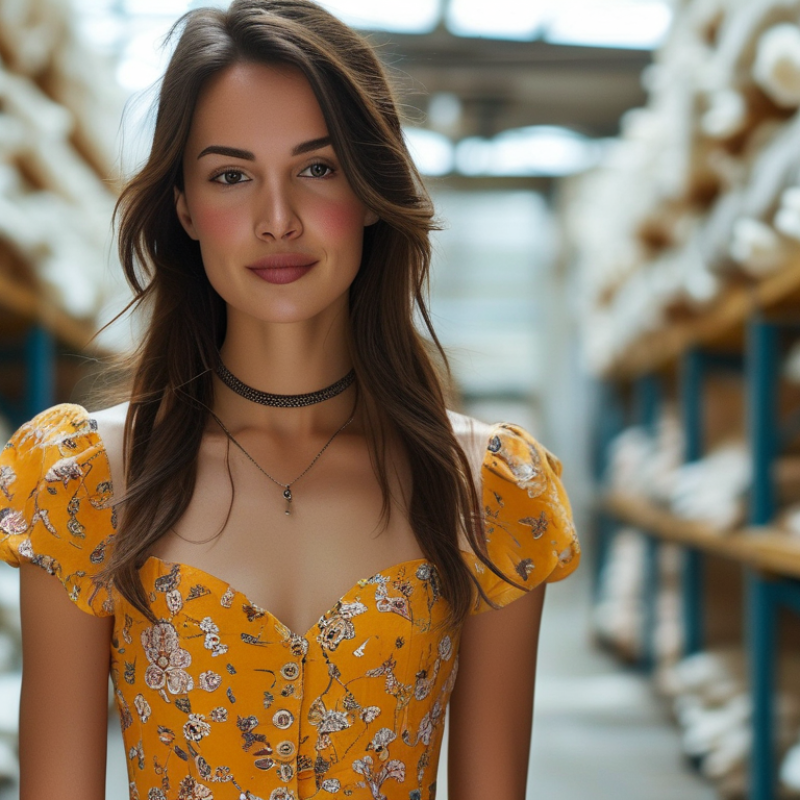
How to Find Ladies Casual Dress Manufacturers in 2026?

Define Your Ladies’ Casual Dress Manufacturing Requirements

How to Find Ladies Casual Dress Manufacturers in 2026?

Define Your Ladies’ Casual Dress Manufacturing Requirements

Before contacting manufacturers, describe the dress you actually need. Specify the target customer, silhouette, fabric, weight, color range, size chart, and expected retail price. A loose cotton shirt dress needs different equipment from a fitted rib-knit style. Include measurements for bust, waist, hip, shoulder, and length. Add seam preferences, sleeve details, closures, labels, and packaging instructions.

A clear tech pack reduces guessing and sample revisions. It should contain flat sketches, fabric composition, color references, stitching details, and tolerance limits. Also define your minimum order quantity, sample deadline, production window, and inspection standard. I once underestimated shrinkage in a lightweight fabric. The first sample looked correct, but the washed garment became noticeably shorter. That mistake taught me to request wash testing before approving bulk production. Requirements can still change. Record every change in writing.

Tips: Send one complete brief, not scattered messages. Request fabric swatches and a pre-production sample. Check measurements after washing. Ask how defects are recorded and corrected. Leave time for one imperfect sample; real production rarely follows a perfect plan. A realistic budget should include sampling, testing, packaging, freight, and possible alterations. Compare manufacturers by communication, workmanship, capacity, and documented quality controls, not by price alone.

Research and Compare Potential Dress Manufacturers

Research and Compare Potential Dress Manufacturers

Finding a suitable ladies casual dress manufacturer requires more than checking product photos. I begin by defining the dress clearly: fabric weight, size range, stitching details, color options, and expected order volume. A simple specification sheet prevents vague promises from shaping the project.

I request samples from several manufacturers and examine them under natural light. I check seam strength, zipper movement, shrinkage, fabric feel, and measurement accuracy. I also compare minimum order quantities, sample fees, production timelines, payment terms, and packaging options. Reliable manufacturers should explain their quality control process and provide verifiable production information. Their answers should be specific, not polished but empty.

A comparison table makes differences easier to see. I record sample costs, response speed, correction policies, and delivery performance. Factory visits or independent inspections can offer stronger evidence than online claims. However, my first comparison was too focused on price. That mistake ignored fabric consistency and communication delays. Lower quotes may create extra fitting work later. I now ask how manufacturers handle defective pieces, size grading, fabric shortages, and design changes before placing an order. Clear written records matter. Small details often reveal working habits.

How to Find Ladies Casual Dress Manufacturers in 2026?

Research and Compare Potential Dress Manufacturers

Use these practical sourcing criteria to compare potential ladies’ casual dress manufacturers. Product quality, compliance, production capacity, minimum order quantity, lead time, and communication should be verified through samples, factory documents, and written quotations before making a decision.

Evaluate Quality, Experience, Certifications, and Production Capacity

How to Find Ladies Casual Dress Manufacturers in 2026?

Quality begins with evidence, not attractive samples. Request fabric composition, shrinkage results, colorfastness tests, and a pre-shipment inspection record. Textile Exchange’s Materials Market Report 2024 estimates global fiber production reached about 124 million tonnes in 2023 and may approach 160 million tonnes by 2030. This growth makes traceability more important, especially for cotton, viscose, and recycled fibers.

Experience should match your product, not just your order volume. Ask whether the factory has produced jersey dresses, woven casual styles, or delicate trims similar to yours. Check sample lead time, minimum order quantity, monthly capacity, defect rates, and on-time delivery history.

A showroom can look impressive. Production may still disappoint. I learned that capacity claims need supporting records, such as cutting schedules and recent output reports.

Verify certifications through the issuing organization. Useful evidence may include ISO 9001 for quality management, OEKO-TEX certification for tested materials, or GOTS certification when organic textile requirements apply. Do not accept an unverified PDF.

Confirm the certificate number, scope, facility address, and expiration date. Sedex’s Responsible Sourcing Report and the International Labour Organization’s supply-chain guidance also support checking worker conditions and management systems.

A factory should answer clearly. Hesitation deserves a closer inspection.

Request Samples and Verify Pricing, Minimums, and Lead Times

When searching for ladies casual dress manufacturers in 2026, request physical samples before discussing large production orders. A sample reveals fabric weight, stitching quality, seam strength, and fit accuracy. Feel the fabric. Check the neckline, zipper, hem, and pocket placement under normal movement. Ask the manufacturer to provide fabric composition, size measurements, color options, and washing instructions. Small details matter.

Request a written quotation for each sample and production quantity. Pricing should separate fabric, labor, packaging, labeling, and shipping preparation. Confirm whether sample fees become refundable after an order. Ask about the minimum order quantity for each style and color. A low minimum may still include setup charges. Compare at least three quotations with identical specifications. Otherwise, the comparison becomes misleading.

Lead times need specific dates, not vague promises. Ask how many days cover sampling, material purchasing, bulk sewing, inspection, and packing. Confirm the timeline again if fabric availability changes. I once trusted an attractive price without checking material availability, and production moved slowly. That mistake taught me to request a written schedule and progress updates. Allow extra time for revisions. A perfect first sample is uncommon. Inspect the approved sample against bulk production, using measurements and clear photos. Reliable manufacturers should answer questions directly, explain limitations, and report delays early.

How to Find Ladies Casual Dress Manufacturers in 2026? — Request Samples and Verify Pricing, Minimums, and Lead Times
Sourcing Stage Typical Product Scope Indicative Sample Cost Common MOQ Range Sample Lead Time Bulk Production Lead Time Key Pricing Variables Verification Checklist
Ready-to-Order Sample Existing casual dress style with standard fabric, color, and size specifications. US$20–80 per piece, plus shipping 50–200 pieces per style or color 3–7 calendar days if available 15–30 calendar days after approval Fabric composition, garment weight, size range, color, packaging, and order quantity. Confirm whether the sample is from current production, whether the sample fee is refundable, and whether the quoted price includes labels and packaging.
Private-Label Development Existing pattern adapted with custom labels, hangtags, care instructions, and selected colors. US$50–150 per piece, plus development or pattern fees 100–500 pieces per style 7–15 calendar days 20–40 calendar days after final approval Custom branding, trims, dyeing, printing, embroidery, grading, and packaging requirements. Request a written breakdown of development fees, label costs, packaging costs, size-set charges, and any per-color minimums.
Custom Pattern and Fit Development New silhouette created from a technical pack, reference garment, measurements, or design specification. US$100–300 per development sample, excluding pattern and grading charges 200–800 pieces per style 10–25 calendar days per revision 30–60 calendar days after pre-production approval Pattern complexity, number of revisions, fabric sourcing, construction details, fit testing, and grading. Ask for a sample revision limit, measurement tolerance, pattern ownership terms, and the approval procedure for the pre-production sample.
Small-Batch Production Simple woven or knit casual dresses using standard materials and limited color options. US$30–120 per sample, depending on construction 100–300 pieces per style 5–14 calendar days 20–35 calendar days after materials are confirmed Fabric availability, sewing operations, order quantity, color count, size ratio, and quality-control requirements. Verify whether MOQ applies per style, color, fabric, or total order. Confirm the production schedule in writing before placing a deposit.
Mid-Volume OEM Production Fully customized dresses manufactured to buyer specifications with approved materials and construction. US$80–250 per sample, usually credited only under agreed conditions 500–2,000 pieces per style 10–20 calendar days 35–70 calendar days after material approval Fabric yield, labor content, trims, testing, inspection standard, payment terms, and shipment destination. Compare a complete landed-cost quotation and confirm whether fabric, testing, inspection, carton packing, and export documentation are included.
Repeat Production Reorders using an approved pattern, approved fabric, established specifications, and unchanged packaging. Usually no new sample fee; a reference sample may be required Often 100–1,000 pieces per style, subject to the supplier’s policy 2–7 calendar days for a confirmation sample 20–45 calendar days, depending on material availability Raw-material stock, seasonal capacity, order quantity, color continuity, and changes to specifications. Confirm that the current production lot matches the approved sample, measurement chart, color standard, fabric composition, and packaging instructions.
Organic or Recycled-Fabric Request Casual dresses using certified or recycled fibers, subject to documentation and material availability. US$60–220 per piece, excluding certification or testing charges 300–1,500 pieces per style or fabric color 10–25 calendar days 40–75 calendar days after fabric and documentation approval Fiber type, certification scope, fabric minimums, traceability, dyeing, testing, and material lead time. Request current transaction certificates or equivalent supply-chain documentation and verify that certification covers the actual finished product claim.
Quality-Control Approval Pre-shipment inspection of measurements, workmanship, fabric, color, labeling, packaging, and quantity. US$150–400 per inspection day, depending on location and scope Not applicable Inspection report commonly issued within 24–48 hours Inspection normally scheduled when at least 80%–100% of goods are complete Inspection duration, sample size, testing requirements, travel, product complexity, and reporting format. Define acceptable quality limits, critical defects, major defects, minor defects, measurement tolerances, and corrective-action requirements before production.
Practical 2026 benchmark: Treat the figures above as indicative industry ranges rather than fixed quotations. Request a written quotation that separates sample fees, development charges, unit price, fabric and trim costs, packaging, testing, inspection, shipping, taxes, payment terms, MOQ, and confirmed production dates.

Finalize Contracts, Compliance Checks, and Ongoing Supplier Management

How to Find Ladies Casual Dress Manufacturers in 2026?

A reliable contract should define fabric composition, size tolerances, delivery dates, payment stages, and inspection rights. Include approved subcontractors, confidential designs, and a clear corrective-action process. Each dress needs traceable purchase records, not vague promises. Textile Exchange’s Materials Market Report 2024 estimates global fiber production reached 124 million tonnes in 2023. This scale makes material verification essential.

Compliance checks should cover product safety, chemical restrictions, labeling, worker welfare, and environmental documentation. Request recent test reports, factory licenses, wage records, and emergency-procedure evidence. Verify critical documents through independent laboratories or qualified auditors. Fashion Revolution’s Fashion Transparency Index 2023 reviewed 250 companies and reported an average transparency score of only 26%. Paperwork alone is not proof. Visit the production floor when possible, and compare records with actual conditions.

Supplier management must continue after signing. Use monthly updates for sampling, production capacity, defects, and shipment risks. Review supplier performance quarterly with a simple scorecard. Track defect rates, late deliveries, audit findings, and response times. Require written corrective actions with owners and deadlines. A small pilot order can reveal more than a polished presentation. My own sourcing reviews have sometimes trusted attractive samples too quickly. That is a mistake worth recording. Recheck measurements after washing, not only before shipment. Keep communication factual, dated, and accessible to the purchasing team.

FAQS

: What information should I provide to a casual dress manufacturer?

: Share the customer profile, dress shape, fabric, weight, colors, sizes, measurements, and target price. Include sleeve details, closures, labels, seams, packaging, order quantity, and deadlines. Be specific.

Why is a complete tech pack important?

A tech pack reduces guesswork and limits unnecessary sample revisions. Include flat sketches, fabric composition, color references, stitching details, and measurement tolerances. Record every change in writing.

What measurements should a dress specification include?

Include bust, waist, hip, shoulder, sleeve, and total length measurements. Add size grading rules and acceptable tolerance limits. Small gaps can cause fitting problems.

Should I request fabric testing before bulk production?

Yes. Request fabric swatches, wash testing, and a pre-production sample. Check measurements after washing, especially with lightweight fabrics. Shrinkage can shorten the dress noticeably.

How can I compare potential manufacturers?

Compare samples, minimum order quantities, sample fees, timelines, payment terms, and packaging options. Also review communication speed, workmanship, capacity, and quality controls. Price alone is incomplete.

What should I inspect in a dress sample?

Examine the sample under natural light. Check seam strength, zipper movement, fabric feel, shrinkage, stitching, and measurement accuracy. Try the garment after washing when possible.

How can I evaluate a manufacturer’s quality control?

Ask how workers record defects, correct faulty pieces, inspect measurements, and manage fabric shortages. Request specific production information, not polished general promises. Details reveal habits.

Should I visit a factory or arrange an independent inspection?

A visit or independent inspection can provide stronger evidence than online photos. It may reveal workflow, capacity, storage conditions, and inspection practices. Still, one visit cannot prove everything.

What costs should my budget include?

Include sampling, fabric testing, packaging, freight, inspections, and possible alterations. Reserve time and money for at least one imperfect sample. Real production is rarely perfect.

What common mistake should I avoid?

Do not choose only by the lowest quote. A cheaper order may create fitting work, delays, or fabric consistency problems later. I learned this too late.

Conclusion

Finding reliable ladies’ casual dress manufacturers in 2026 begins with clearly defining your product requirements, including dress styles, fabrics, sizes, color ranges, target quantities, quality standards, and delivery expectations. Once these details are established, research and compare suitable suppliers based on their manufacturing capabilities, communication, industry experience, certifications, production capacity, and ability to support your design and order volume. A structured comparison can help identify manufacturers that offer consistent quality and dependable service.

Before making a commitment, request samples to assess construction, fabric performance, fit, stitching, and finishing. Confirm pricing, minimum order quantities, payment terms, customization options, and lead times in writing. After selecting a supplier, finalize a clear contract covering specifications, quality inspections, delivery responsibilities, confidentiality, and dispute procedures. Ongoing supplier management should include regular communication, production updates, compliance checks, and performance reviews. A careful approach to Ladies Casual Dress Manufacturing can reduce risks, improve product consistency, and support a stable, long-term manufacturing relationship.

Ethan

Ethan

Ethan is a dedicated marketing professional with extensive knowledge of the company’s products, solutions, and customer-focused approach. As a regular contributor to the company website, he creates informative blog articles that explain complex product features, industry developments, and practical......