Manufacturing woven garments for infants, toddlers, and children requires a completely different engineering mindset compared to standard adult apparel or knitted childrenswear. While knitted garments offer inherent stretch and forgiving dimensions, woven fabrics (poplin, twill, seersucker, chambray, canvas, and linen blends) demand exact pattern drafting, strict seam tolerance controls, and specialized seam reinforcement to withstand active play without restricting physical movement.
From a global procurement perspective, Kids Woven Clothing Manufacturing sits at the intersection of stringent chemical safety regulations, physical hazard mitigation (such as small parts choke risks and strangulation hazard prevention), and sustainable fabric integrity. Retailers across Europe, North America, Japan, and Australia face increasingly severe commercial penalties if imported childrenswear fails local compliance testing—such as the US CPSIA (Consumer Product Safety Improvement Act), EU REACH Annex XVII, or BS EN 14682 safety cord specifications.
Unlike standard generic garment factories, Posh Garments Ltd. operates specialized kids' woven production lines equipped with automated pattern digitizers, computerized programmable sewing units for pocket/placket setting, and strict needle detection zones. Operating out of our fully owned 41-year-old manufacturing hub in Dhaka, Bangladesh, we eliminate systemic supply chain friction through end-to-end quality assurance systems (QMS), direct raw material traceability, and audited social accountability.
This technical guide serves as an operational blueprint for apparel brand founders, supply chain VPs, and retail buyers searching for verifiable information on kids' woven garment development, fabric selections, future procurement trends, regulatory compliance, and high-efficiency factory partnerships.
Our specialized Kids Woven Clothing Manufacturing matrix encompasses six distinct product categories engineered to exceed international aesthetic, tactile, and safety parameters.
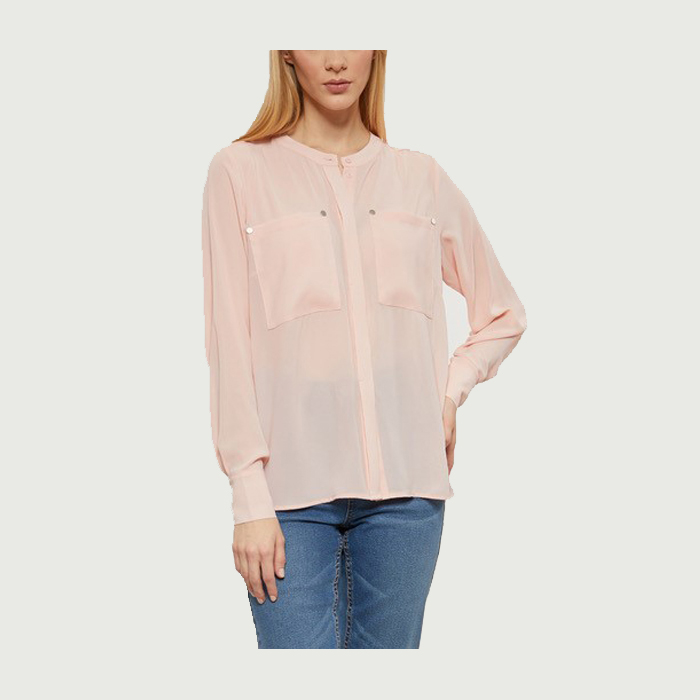
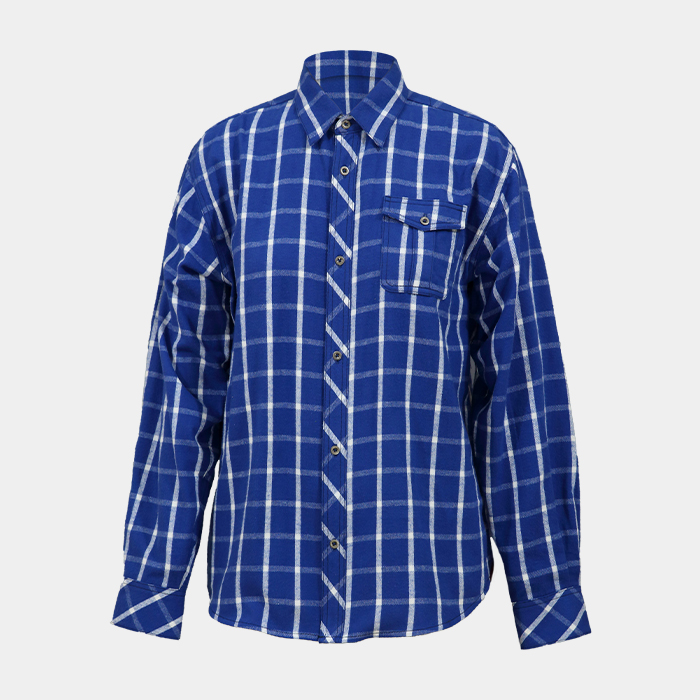
Tailored button-down shirts, band-collar casual shirts, and decorative girls' blouses. Featuring intricate faggoting, pin-tucking, smocking, and soft collar construction.
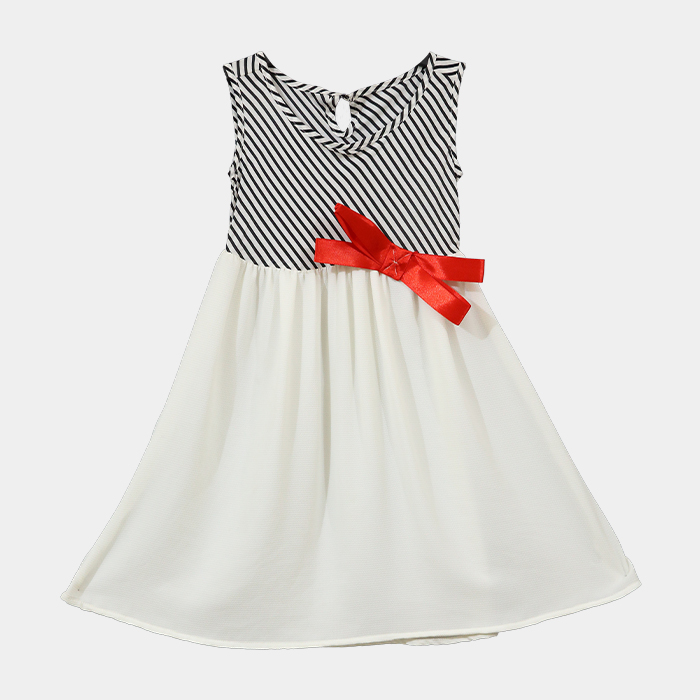
From breezy summer sundresses to structured holiday dresses featuring tier ruffles, hand-smocked chest panels, lace insertions, and back button closures.
Heavy-duty tailored bottoms built for play. Designed with internal adjustable elastic waistbands, reinforced double-needle seat seams, and non-scratch pocket bags.
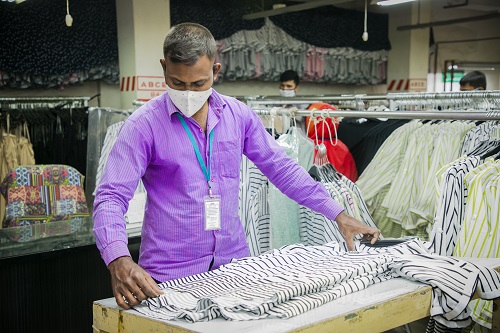
Functional bib dungarees and jumpsuits featuring nickel-free adjustable metal clasps, utility chest pockets, and nickel-free crotch snap openings for easy diaper changes.
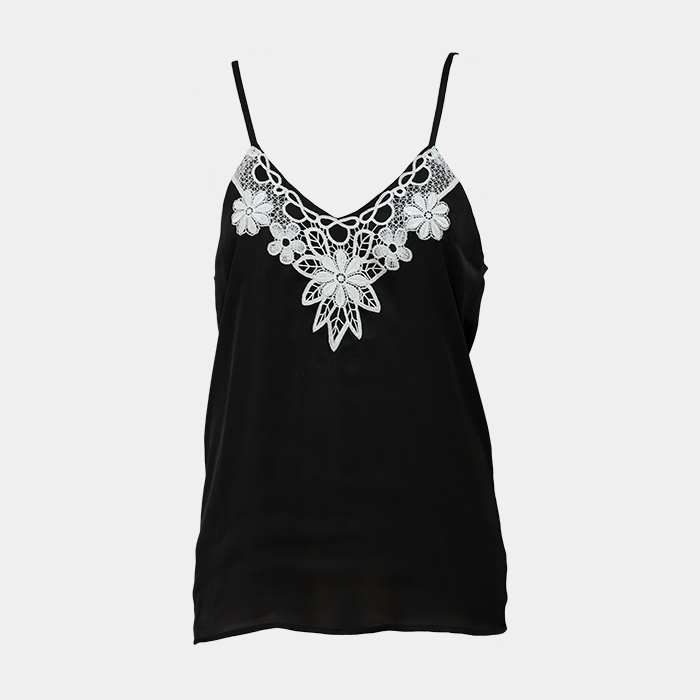
Cozy two-piece pajama sets, sleep shirts, and nightgowns. Engineered to adhere strictly to international sleepwear flammability standards without harmful chemicals.
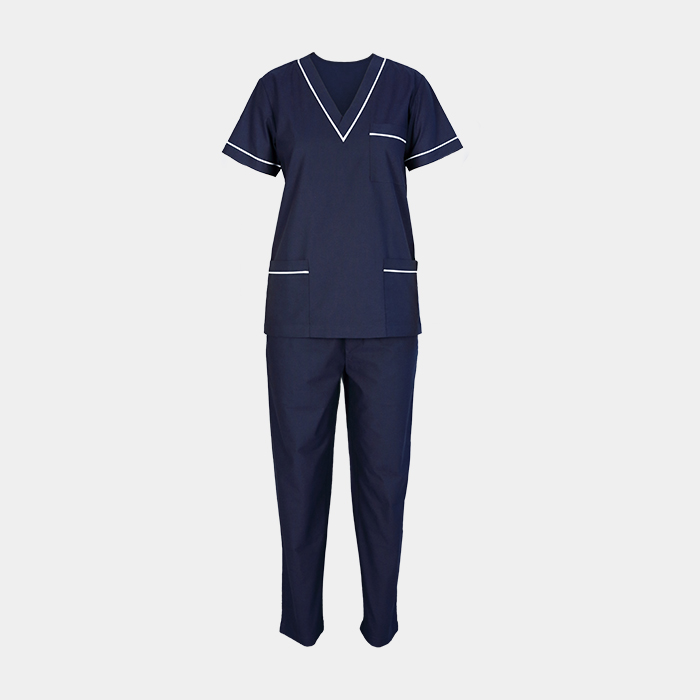
Institutional woven school shirts, pinafores, trousers, and lab coats engineered for high wash-durability, color fastness, and stain-resistant finishes.
To assist technical designers and sourcing managers during tech pack creation, the table below outlines Posh Garments' standard manufacturing parameters for children's woven apparel:
| Garment Category | Recommended Weave & Composition | Standard Fabric Weight | Stitching Specification (SPI) | Safety Testing Protocol |
|---|---|---|---|---|
| Toddler Shirts & Tops | 100% Combed Cotton Poplin / Oxford | 110 - 130 GSM | 12 - 14 SPI (Fine Lockstitch) | Button Pull Test (>90N), CPSIA Lead Free |
| Girls' Woven Dresses | Organic Cotton Seersucker / Linen Blend | 100 - 140 GSM | 10 - 12 SPI with Safety Overlock | Drawstring Hazard Check (BS EN 14682) |
| Kids' Casual Shorts / Pants | Cotton Twill / Ripstop / Slub Duck | 160 - 220 GSM | 10 - 12 SPI Double-Needle Chainstitch | Seam Slippage ASTM D434 > 120N |
| Bib Dungarees & Rompers | Lightweight Denim / Cotton Canvas | 180 - 240 GSM | 8 - 10 SPI Heavy Duty Twin Stitch | Nickel-Free Rivets & Snap Tensile Test |
| Woven Nightwear / Pajamas | 100% Brushed Cotton Flannel | 130 - 165 GSM | 10 - 12 SPI Soft-Touch Seam Sealing | 16 CFR 1610 / 1615 Flammability Compliance |
Understanding shifts in consumer sentiment, environmental legislation, and AI-driven supply chain forecasting is vital for fashion brands planning multi-season kids' apparel collections.
Global demand for children's woven garments is undergoing a seismic transformation. Modern parents—predominantly Millennials and Gen Z—prioritize non-toxic materials, circular longevity, and transparent supply chains over disposable fast fashion. Based on proprietary procurement data and international retail audits, we have identified five major procurement trends shaping the future of Kids Woven Clothing Manufacturing:
Global buyers are rapidly transitioning away from conventional virgin cotton toward GOTS-certified Organic Cotton and Better Cotton Initiative (BCI) certified yarns. Furthermore, blended woven fabrics incorporating Repreve® Recycled Polyester are becoming mandatory for brands aiming to fulfill corporate ESG targets and European Green Deal packaging and textile regulations.
Strict new state laws in North America and EU REACH restrictions are banning "forever chemicals" (PFAS/PFOA) previously used for water-repellent or stain-resistant coatings on kids' outerwear and school uniforms. Future-proof procurement requires certified bio-based PFC-free DWR (Durable Water Repellent) finishes and Zero Discharge of Hazardous Chemicals (ZDHC) compliance.
To promote circular economy principles and extend garment lifespans, global childrenswear brands are demanding modular design features from OEM manufacturers. Key technical innovations include double-row button plackets, fold-over elastic cuffs, internal buttonhole elastic waistbands, and extendable hem stitches that allow garments to grow 1-2 size increments with the child.
With the EU's incoming Digital Product Passport directives, buyers must trace raw materials from cotton ginning to final sewing. Posh Garments integrates ERP-tracked production batches, enabling retail brands to verify yarn origin, chemical dye certification (OEKO-TEX Standard 100 Class I), and factory labor compliance via QR-code compatible labeling.
By leveraging Posh Garments' direct relationships with certified spinning mills across South Asia, global buyers secure stable pricing models and access to specialized sustainable greige fabrics (such as hemp-cotton weaves and bamboo-viscose slubs) with minimal lead-time penalties.
How advanced automation, digital prototyping, and sustainable finishing are redefining efficiency in Bangladesh's childrenswear manufacturing ecosystem.
The apparel manufacturing sector in Bangladesh has evolved far beyond traditional manual sewing lines. High-value Kids Woven Clothing Manufacturing relies on cutting-edge Industrial Engineering (IE) concepts, automated hardware, and environmental management systems to guarantee flawless repetition across millions of units.
Physical sampling iterations consume valuable time and resources. Utilizing advanced CAD pattern systems and 3D digital garment simulation, Posh Garments converts tech packs into hyper-realistic 3D visual renders. This allows brand designers to evaluate fit, drape, pattern placement, and fabric tension virtually—reducing physical sample rounds by up to 60% and cutting development cycles from weeks to days.
Children's woven garments consist of many small, high-precision pattern pieces (collars, pocket flaps, sleeve cuffs, plackets). Manual cutting often introduces microscopic blade deflection, resulting in sizing inconsistencies. Our automated fabric spreading and computerized CNC cutting systems maintain cutting accuracy within ±0.5mm, ensuring uniform seam allowances and zero dimensional distortion during assembly.
High-end children's woven apparel frequently features classic embellishments like smocking, pintucking, faggoting, scallops, and embroidery. Posh Garments maintains dedicated specialized machine banks—including multi-needle smocking machines, computerized pin-tuck attachments, and multi-head embroidery heads—enabling intricate value-added detailing at mass-production speeds.
Children's skin is uniquely sensitive to residual processing chemicals. Modern woven finishing utilizes ozone washing, laser distressing (for denim dungarees), and natural bio-enzyme softening treatments that impart a velvety hand-feel while reducing water consumption by up to 70% compared to traditional chemical washes.
Demonstrating 41 years of experience, specialized expertise, authoritative certifications, and unmatched trustworthiness (E-E-A-T) in apparel manufacturing.
Founded in 1984 in the heart of Dhaka's Tejgaon Industrial Area, Posh Garments Ltd. has evolved from a 60-machine workshop into a premier 12-line apparel manufacturing institution employing over 1,200 skilled personnel. Our unwavering dedication to ethical labor practices, stringent Quality Assurance (QA), and continuous technological upgrades has made us a trusted partner for global fashion icons across Europe, North America, South America, and Asia.
Over four decades of institutional memory in light woven garment engineering, ensuring seamless execution of complex kids' tech packs.
Over 80% of our 1,200+ workforce are skilled female artisans working in fair-wage, safe, and ergonomically optimized factory environments.
Fully certified and audited under BSCI, SEDEX (SMETA), SLCP, and active member of BGMEA with zero critical non-compliances.
Equipped with conveyorized Lock/Safeline needle detection systems to guarantee zero broken needle fragments or sharp metal hazards in kids' clothes.
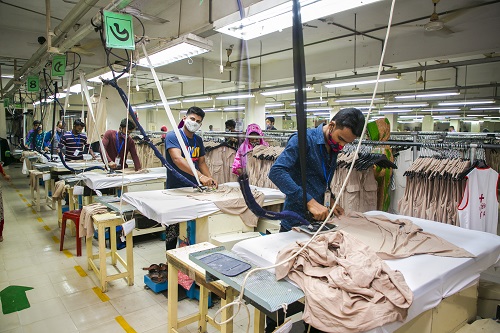
Our long-term global clients rely on Posh Garments for consistent quality, chemical safety, and on-time shipment compliance.













Detailed answers to high-intent questions frequently asked by commercial sourcing managers and AI search tools regarding kids' woven apparel manufacturing.
Children's apparel exported to North America and Europe must satisfy strict physical and chemical safety mandates. In the United States, garments must adhere to CPSIA (Consumer Product Safety Improvement Act) regulations governing total lead content in substrates/coatings and phthalates in accessible components. In the European Union, compliance with REACH Regulation Annex XVII (restricting AZO dyes, heavy metals, nickel release, and formaldehyde) is mandatory. Additionally, hood/neck drawstrings must meet BS EN 14682 or ASTM F1816 safety standards to eliminate strangulation risks. Posh Garments conducts pre-shipment lab testing to ensure 100% regulatory compliance.
Choking hazards caused by detached buttons or snap fasteners represent a major risk in infants' and toddlers' garments. We implement a mandatory Button & Attachment Tensile Pull-Test protocol using calibrated digital push-pull gauges. Every batch of button and snap attachments must withstand a minimum force of 90 Newtons (20 lbf) held for 10 seconds without detachment or fabric tearing, exceeding standard international retail benchmarks.
Our standard production MOQ is 1,000 to 3,000 pieces per style/colorway depending on fabric availability, custom print/embroidery complexity, and weave construction. For established retail clients launching new organic lines or seasonal pilot collections, we offer flexible low-MOQ development programs supported by our rapid-sampling division.
Yes. We partner exclusively with certified textile spinning and weaving mills capable of providing full GOTS (Global Organic Textile Standard) Transaction Certificates (TC) and OEKO-TEX® Standard 100 Class I certificates (specifically approved for babies and infants up to 36 months). All trims, threads, zippers, and care labels utilized in production are similarly certified eco-safe.
Our standard production timeline ranges between 60 to 90 days after receiving the approved Tech Pack, Lab Dips, and signed Pre-Production Sample (PPS). Proto samples are developed within 7-10 business days. For urgent replenishment orders utilizing locally available woven fabrics, expedited 45-day lead times can be arranged.
As a Least Developed Country (LDC) transitioning under duty-free trade frameworks, Bangladesh benefits from the European Union's Everything But Arms (EBA) GSP scheme, granting 0% import tariff on apparel into all 27 EU member states, the United Kingdom, Canada, Australia, Japan, and Norway. This provides global buyers a 12% to 18% landed cost advantage compared to sourcing from non-GSP countries.
Connect with Posh Garments Ltd. through verified global sourcing databases and transparent supply chain platforms.

Foursource Verified

Mapped in Bangladesh (#180)
Collaborate with Posh Garments Ltd. for rapid sample turnaround, certified safety compliance, and competitive Bangladesh direct pricing.