
Apparel Manufacturing Insights & Blog
Discover fashion trends, garment sourcing tips, and sustainable manufacturing practices from Posh Garments Ltd.
Quality, Compliance & Sourcing Guides
Ethical manufacturing insights — from organic fabric selection to global logistics.
Women's, Men's & Kids' Garments
Expert articles on garment production, OEM/ODM apparel manufacturing, and export trends.
China Top 10 Ladies Jumpsuits Manufacturers?
Table of Contents
- China’s Ladies’ Jumpsuit Market: 2023 Exports and Product Segments
- Ranking Method: MOQ, 30–90-Day Lead Times, AQL 2.5, and Capacity
- Top 10 Chinese Ladies’ Jumpsuit Manufacturers by Specialism and Scale
- Factory Verification: BSCI, WRAP, ISO 9001, and 100% Pre-Shipment Checks
- Sourcing Comparison: MOQ, FOB Pricing, Samples, Certifications, and Logistics
- FAQS
- Conclusion
- Related Posts
Finding dependable partners in Ladies Jumpsuits Manufacturing requires more than comparing factory websites. China has a broad supplier network, from small workshops to export-focused garment manufacturers. Their capabilities can differ sharply.
This guide examines ten Chinese manufacturers associated with ladies’ jumpsuits and related womenswear production. The evaluation considers product development, fabric sourcing, pattern accuracy, sewing quality, minimum order quantities, sampling speed, and export experience. It also reviews practical details, such as size grading, zipper performance, seam finishing, and packaging consistency.
Small details matter.
A strong manufacturer should explain its production process clearly. It should provide realistic lead times, transparent quotations, and verifiable business information. Factory visits, independent audits, product samples, and customer references can strengthen the assessment. Certifications may also support quality and social responsibility claims, but they should be checked rather than accepted automatically.
The selected companies are not presented as perfect choices for every buyer. A factory specializing in denim jumpsuits may not suit a brand requiring delicate satin styles. Another supplier may offer excellent craftsmanship but lack flexible low-volume production. These differences deserve careful consideration.
The article aims to help fashion brands, wholesalers, and private-label buyers compare suitable partners more confidently. It focuses on practical purchasing decisions, not promotional rankings alone. Before signing an order, buyers should confirm fabrics, measurements, testing requirements, payment terms, intellectual property protections, and final inspection procedures. Supplier performance can change over time. Independent verification remains important.
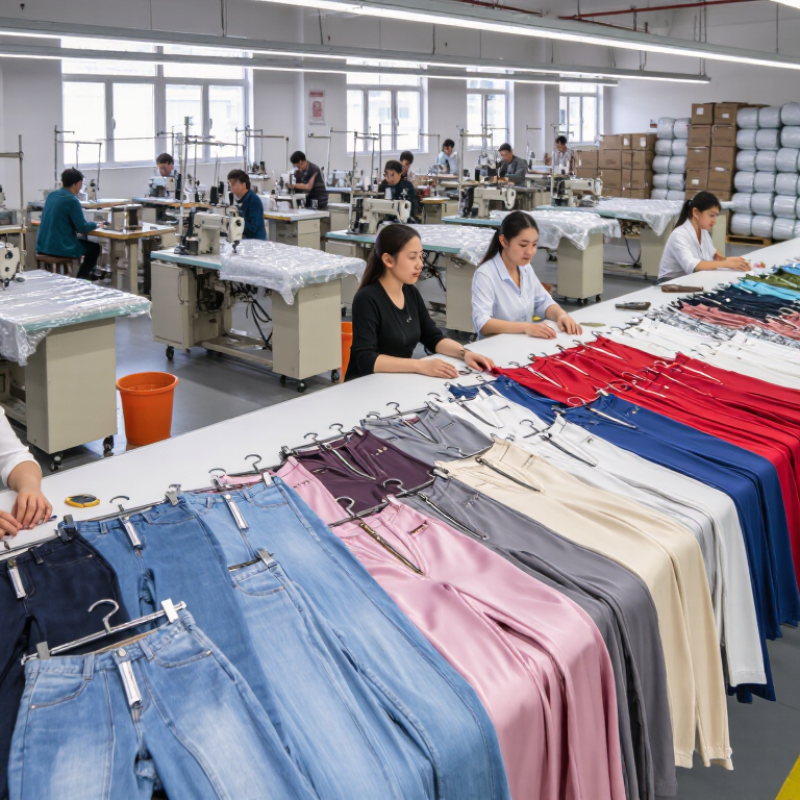
China’s Ladies’ Jumpsuit Market: 2023 Exports and Product Segments
China Top 10 Ladies Jumpsuits Manufacturers?
China’s Ladies’ Jumpsuit Market: 2023 Exports and Product Segments
China remained a major sourcing base for ladies’ jumpsuits in 2023. Export activity covered private-label orders, wholesale collections, and small online fashion ranges. Exact figures vary because customs codes often combine jumpsuits with related garments. That limitation deserves attention.
The strongest product segments included casual cotton jumpsuits, lightweight linen styles, denim designs, and tailored workwear. Summer orders often used rayon, cotton blends, and breathable linen-touch fabrics. Evening collections required better drape, lining, zipper control, and cleaner seam finishing. Plus-size production also expanded, but grading quality differed between factories.
Export buyers commonly selected manufacturers from coastal production clusters. These suppliers offered pattern development, fabric sourcing, size grading, labeling, and inspection support. A capable factory should provide pre-production samples, shrinkage tests, colorfastness checks, and measurement reports. Ask for recent production evidence, not only polished catalog photos.
European buyers often requested neutral colors and traceable fabric information. North American orders frequently emphasized stretch denim, utility pockets, and flexible sizing. Middle Eastern demand favored relaxed silhouettes and opaque fabrics. These patterns are useful, but they are not fixed rules.
Factory ranking should consider more than export volume. Response speed, sample accuracy, stitching consistency, and corrective action matter just as much. Some suppliers appear strong at sampling but struggle during bulk production. That gap is easy to miss. Careful buyers should compare at least three factories before confirming an order.
Ranking Method: MOQ, 30–90-Day Lead Times, AQL 2.5, and Capacity
China Top 10 Ladies Jumpsuits Manufacturers?
A credible top-ten list needs more than attractive product photos. This ranking weighs four operational signals: MOQ, lead-time reliability, AQL 2.5 quality performance, and production capacity. Supplier evidence should include recent purchase records, inspection reports, and factory communication logs. Direct sampling experience also matters. Fabric stretch, zipper alignment, and waist measurements can change after approval.
MOQ shows whether a manufacturer suits emerging labels or large retailers. Lead times are ranked within a practical 30–90-day window, including fabric sourcing, sewing, finishing, and final inspection. AQL 2.5 provides a measurable quality threshold, but it cannot replace careful product checks. Inspectors should review seam strength, shade consistency, loose threads, and size tolerance. Capacity must reflect active sewing lines, skilled operators, and seasonal availability, not just an impressive factory claim.
Tips: Request a size-set sample and a small production trial. Ask for weekly capacity during peak months. Keep written approval records. Mistakes still happen. A factory may pass one inspection and struggle on the next order. That uncertainty should lower its ranking, even when pricing looks attractive. An honest score should reward stable evidence, clear communication, and corrective action after defects.
Top 10 Chinese Ladies’ Jumpsuit Manufacturers by Specialism and Scale
China’s top ten ladies’ jumpsuit manufacturers should be judged by specialism and scale, not factory size alone. A practical shortlist includes facilities focused on premium tailoring, denim construction, knitwear, linen blends, workwear, resort styles, sustainable materials, private-label production, small-batch sampling, and high-volume manufacturing. Each category serves a different buying need.
The strongest tailoring specialists usually handle structured collars, concealed zippers, precise waist shaping, and clean pressing. Denim experts should show consistent wash results and stable seam strength. Knitwear factories need reliable stretch recovery and flatlock finishing. Linen-focused producers must control shrinkage after washing.
Small-batch factories may accept 100 to 300 pieces per style, while larger facilities often manage thousands of units monthly. Capacity claims require checking.
Experienced buyers should request recent sample photos, fabric test reports, measurement charts, and production lead times. Factory visits can reveal cutting-room organization, needle control, inspection stations, and worker training. Independent audits add useful evidence, though they do not guarantee every shipment. Samples matter most. A beautiful prototype can still hide uneven hems or poor button security.
This ranking remains imperfect. Public factory information changes quickly, and some manufacturers subcontract selected processes. Buyers should verify ownership, equipment, compliance records, and communication quality before placing orders. A capable supplier should explain fabric behavior, grading limits, defect handling, and realistic delivery schedules. That practical transparency often matters more than impressive production figures.
Factory Verification: BSCI, WRAP, ISO 9001, and 100% Pre-Shipment Checks
China Top 10 Ladies Jumpsuits Manufacturers
A reliable manufacturer should pass more than a showroom inspection. Buyers need current certificates, factory addresses, and production records. BSCI reviews working conditions, employee welfare, and responsible business practices. WRAP focuses on lawful, safe, and ethical garment production. These documents matter, but certificates alone cannot prove daily performance.
Look closer. An ISO 9001 system should connect fabric inspection, pattern approval, sewing control, and final measurement checks. During a factory visit, request batch records and corrective-action reports. Ask who approved the jumpsuit sample. Check whether operators measure waistlines, inseams, zippers, and seam strength. Small details reveal process discipline.
Every order should receive a 100% pre-shipment inspection. Inspectors can check color consistency, loose threads, stains, label placement, packing quantity, and carton markings. A practical report should include photographs, measurements, defect counts, and shipment status. Do not accept vague language such as “quality guaranteed.” It says little.
A strong factory may still make mistakes. Fabric shrinkage can change after washing. A fitting issue may appear only in larger sizes. That is why buyers should keep approved samples and signed specifications. Independent verification adds confidence, though it cannot replace clear communication. The most dependable manufacturers welcome uncomfortable questions and record the answers.
Sourcing Comparison: MOQ, FOB Pricing, Samples, Certifications, and Logistics
China Top 10 Ladies Jumpsuits Manufacturers
A practical top-ten comparison should begin with product consistency, not factory size. Check each manufacturer’s MOQ, fabric options, and sewing capacity. Typical MOQs range from 100 to 500 pieces per color. FOB pricing often falls between 8 and 25 USD, depending on fabric, trims, and construction. Treat these figures as working estimates, not promises. A factory may quote low, then add costs for lining, labels, or special washing.
Request one paid sample before approving bulk production. Sample development commonly takes 7 to 15 days. Compare measurements, zipper quality, stitching density, and shrinkage after washing. Ask for current certifications, such as BSCI, ISO systems, OEKO-TEX, or GRS, when relevant. Certificates need verification; a scanned document alone proves little. Discuss inspection records and corrective actions too. I have seen attractive samples hide uneven waist seams during production. That risk deserves attention.
Tips: Put MOQ, FOB terms, sample fees, lead time, and defect tolerance in writing. Confirm whether FOB includes export packaging and documentation. Ask which port will handle shipment and whether the supplier supports carton markings. For small trial orders, air freight may be faster, but ocean freight usually lowers unit logistics costs. Leave buffer time for customs checks and seasonal congestion. Never compare prices without matching fabric weight, size range, and packaging.
FAQS
Popular segments include cotton casual styles, linen designs, denim pieces, and tailored workwear. Summer orders often use breathable fabrics. Evening styles need better drape, lining, zippers, and seam finishing.
Common choices include cotton, rayon, cotton blends, and linen-touch fabrics. Fabric weight affects comfort, shipping cost, and final appearance. “Breathable” still needs testing.
Review sample accuracy, response speed, stitching consistency, and corrective action. Ask for recent production records and inspection reports. Catalog photos are not enough.
Typical quantities range from 100 to 500 pieces per color. Smaller orders may suit new collections. Higher quantities can improve pricing, but flexibility may decrease.
A realistic window is 30 to 90 days. It may include fabric sourcing, sewing, finishing, and inspection. Seasonal congestion can add delays.
Request shrinkage tests, colorfastness checks, measurement reports, and seam inspections. Inspect loose threads, zipper alignment, shade consistency, and size tolerance. AQL 2.5 is useful, but not sufficient alone.
Working estimates often range from 8 to 25 US dollars per piece. Fabric, trims, lining, washing, and construction affect the quote. Low prices can hide extra charges.
Approve a paid sample and request a size-set sample. Record measurements, fabric details, packaging, lead time, and defect tolerance. Keep written approvals. Mistakes still happen.
Air freight may suit small urgent trials. Ocean freight usually reduces unit logistics costs. Confirm the export port, carton markings, documents, and customs buffer time.
Compare at least three suppliers before ordering. One factory may sample well but struggle during bulk production. That gap is easy to miss.
Conclusion
China’s ladies’ jumpsuit industry offers a broad range of production capabilities, from casual one-piece styles and workwear to occasion-focused and fashion-forward designs. This overview examines the 2023 export landscape and major product segments while introducing a practical ranking method based on minimum order quantity, 30–90-day lead times, AQL 2.5 quality standards, production capacity, and specialization. It highlights how different manufacturers support private-label buyers through flexible development, fabric sourcing, pattern making, and scalable Ladies Jumpsuits Manufacturing services.
The sourcing comparison focuses on essential purchasing factors, including MOQ, FOB pricing, sample charges, certifications, shipping coordination, and communication efficiency. Factory verification should include documentation such as BSCI, WRAP, or ISO 9001 where applicable, together with transparent production records and 100% pre-shipment inspections. By comparing capabilities, compliance systems, quality-control procedures, and logistics options, buyers can identify suitable manufacturing partners and reduce risks related to inconsistent quality, delayed delivery, and unsuitable production capacity.

Blog Tags: