
Industry News & Updates

Apparel Manufacturing Insights & Blog

Discover fashion trends, garment sourcing tips, and sustainable manufacturing practices from Posh Garments Ltd.

Sustainable Fashion

Quality, Compliance & Sourcing Guides

Ethical manufacturing insights — from organic fabric selection to global logistics.

Global Export Leaders

Women's, Men's & Kids' Garments

Expert articles on garment production, OEM/ODM apparel manufacturing, and export trends.

0%

A skirt may look simple on a hanger, yet its fit depends on fabric weight, waistband construction, lining, and careful size grading. For a clothing brand, choosing a womens skirt manufacturer can shape how reliably those details move from a design sketch to production. Good beginnings matter.

This guide introduces Women's Skirts Manufacturing through practical considerations: fabric sourcing, sample development, stitching quality, fit testing, and production capacity. A useful partner should explain material options, clarify minimum order quantities, and provide samples that let your team check seams, closures, and drape before placing a larger order. Ask how measurements are checked across sizes, too; a sample that fits one model may not represent the full size range.

Look beyond polished product photos. Request clear timelines, written specifications, and examples of how the manufacturer handles revisions or quality concerns. Small details count: a zipper that catches, a hem that twists, or a lining that clings can change how a skirt feels in daily wear. Not every supplier will suit every label, and the lowest quote may leave important questions unanswered. That is worth considering.

The sections ahead explore how to compare capabilities, communicate design requirements, and assess whether a factory can support your brand as it grows. The aim is not to promise a perfect partnership, but to help you make a more informed choice. A little uncertainty is normal; careful questions can make it manageable.
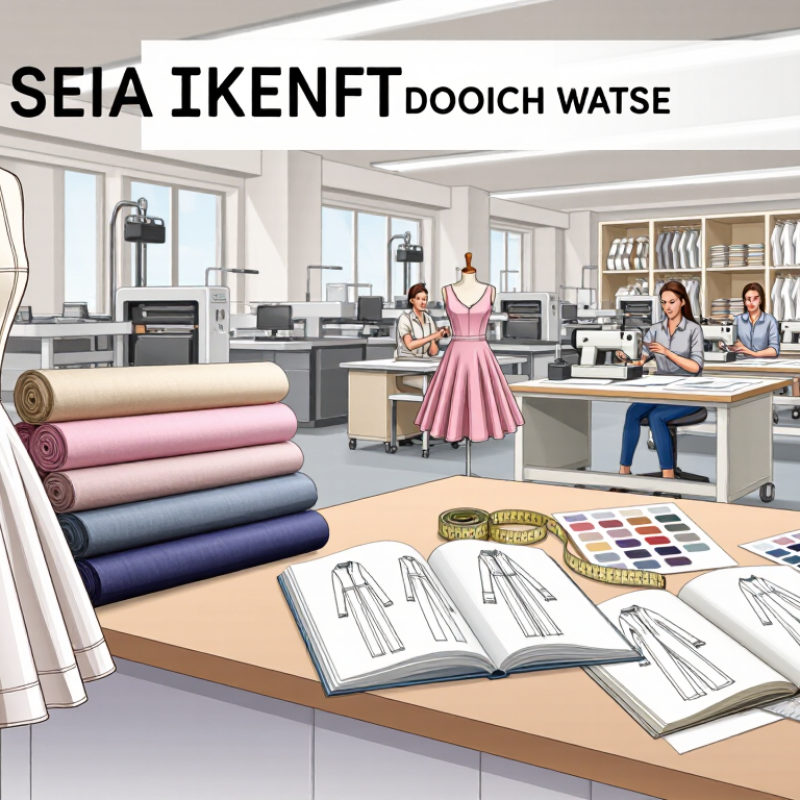
Why Choose a Womens Skirt Manufacturer for Your Brand?

What a Women’s Skirt Manufacturer Does for a Brand

A women’s skirt manufacturer turns a brand’s design direction into a garment that can be sampled, fitted, and produced consistently. The work often begins with a tech pack, reference images, and discussion about the intended customer and price point. Pattern makers translate measurements into a base pattern, then adjust waist placement, hip ease, length, and flare. Fabric choice matters: fluid viscose may swing softly, while crisp cotton holds an A-line shape. Small details matter. Pocket depth, lining, zipper placement, and seam finish can change how a skirt feels and wears.

During sampling, the manufacturer makes a prototype and records fit comments. A first sample can still miss the intended drape, or its waistband may feel tight when seated. Fit can surprise. That feedback helps guide revisions before size grading and production planning. The team can also confirm trims, estimate fabric use, and check stitching, measurements, color consistency, and pressing. Clear updates help a brand spot delays early and avoid rushed changes. The process is not always smooth; fabric lots can vary, and timelines may shift. A dependable manufacturer explains trade-offs, documents approvals, and flags issues while there is still time to respond.

How Design and Customization Shape a Skirt Collection

A skirt collection is shaped long before its first production run. Fabric weight, waistband construction, and hem width affect how each style moves and fits. A womens skirt manufacturer can help translate design drawings into practical samples, while flagging details that may change during sewing. Small choices matter.

Customization works best when it connects appearance with wearability. A lightweight cotton skirt may need a lining to prevent transparency, while a heavier fabric may require a roomier shape through the hips. Pocket depth, zipper placement, and adjustable waist details can also be tested in samples. Fit is never neutral. The same pattern may sit differently across sizes, so grading should be reviewed on more than one sample size.

Clear feedback keeps revisions useful. Record garment measurements, fabric composition, stitch details, and approved color references before production. Ask for a sample that uses the intended fabric; substitutes can drape differently. Not every first sample works. A seam may pull, or a pleat may lose its shape after sitting. That is a reason to revise the specification, not to hide the problem. Careful collaboration helps a brand build a collection with consistent details and a fit customers can understand.

How Manufacturing Expertise Supports Fit and Quality

A womens skirt manufacturer supports fit by turning a design into repeatable measurements. The work starts with a clear spec sheet: waist, hip, skirt length, waistband depth, and ease. A skilled pattern team checks how the skirt falls when the wearer sits, walks, and climbs stairs. Small details matter. A stiff waistband can dig in; too little hip ease can pull the side seams forward. Grading rules should preserve the intended shape across sizes, not simply enlarge every measurement. Samples still need real wear testing. A first fitting may look right on a hanger and feel wrong after an hour.

Quality depends on controlled steps, not a final glance. Manufacturers can check fabric shrinkage, seam strength, stitch consistency, and finished measurements against approved tolerances. They can also review samples during production, when corrections are less costly than after shipment. NRF and Happy Returns’ 2023 report estimated that 14.5% of U.S. retail sales would be returned. That figure covers retail broadly, not skirts alone, but it shows why dependable product quality matters.

Tip: Ask for a measurement chart, a pre-production sample, and documented inspection checks. Test the skirt after washing and while sitting. Be candid about fit limits: body shapes vary, and one sample cannot represent every wearer. A good manufacturing partner helps identify those gaps early.

Why Choose a Women’s Skirt Manufacturer?

Example apparel quality-control benchmarks: AQL 2.5 for major defects and AQL 4.0 for minor defects. These are commonly used reference settings, not universal requirements; acceptance depends on the agreed sampling plan.

Experienced manufacturers translate fit specifications into measurable garment checks and apply consistent inspection procedures. AQL is a sampling-plan parameter, not a guarantee that every item will be defect-free.

How Production Capacity Affects Cost and Delivery

A skirt manufacturer’s production capacity affects more than how many units leave the cutting room. It can shape your cost per piece, sampling schedule, and delivery reliability. A factory with suitable equipment and available sewing lines may handle a larger order efficiently. But its advertised maximum capacity does not guarantee space for your production. Ask how many lines are currently assigned, and whether your styles need special pleating, lining, or waistband work. Those details can change the timeline.

Tips: Request a production calendar with fabric arrival, cutting, sewing, inspection, and shipping dates. Ask what happens if materials arrive late. Confirm the minimum order quantity and whether a smaller trial run is possible. Get cost estimates at several order sizes; extra volume can lower unit costs, but only if you can use the inventory.

Capacity planning also helps prevent rushed work. If a factory is overloaded, inspections may be squeezed, and small fit issues can reach packed cartons. Still, a larger facility is not automatically the better choice. A smaller team may offer closer communication, though its schedule can be less flexible. Review recent, comparable production records and build time for corrections. I’d avoid treating any delivery estimate as fixed until fabrics, samples, and quantities are approved. A little caution here can save both money and a missed launch window.

How to Evaluate a Manufacturer for Long-Term Brand Growth

Why Choose a Womens Skirt Manufacturer for Your Brand?

How to Evaluate a Manufacturer for Long-Term Brand Growth

A dependable skirt manufacturer should support more than your first launch. Check whether its team can turn a technical pack into consistent samples and bulk orders. Ask for measurements, grading rules, fabric specifications, and a clear process for handling defects. For skirts, small differences matter: a waistband that twists or a side seam that pulls can change how the whole garment fits. Request a sample in your intended fabric, then compare it with production pieces. A polished sample can still hide weak bulk control.

Tips: Ask for the factory’s typical minimum order, sample timeline, and monthly capacity. Get answers in writing. Vague promises are hard to plan around.

Long-term growth also depends on material knowledge and traceability. Textile Exchange’s Materials Market Report 2024 estimates that global fiber production reached 124 million metric tonnes in 2023. That scale makes clear material records increasingly useful when reviewing fabric choices and suppliers. Ask where fabrics are sourced, how substitutions are approved, and whether production records can be shared. Check these details before committing, not after a delivery arrives. One imperfect point: a detailed checklist cannot predict every delay. Still, regular communication and a small pilot order can reveal problems while they are manageable.

FAQS

What does a women’s skirt manufacturer do?

It turns design details into samples and repeatable production. Work may include patterns, fabric planning, fittings, and quality checks.

What information should I provide before sampling?

Share a tech pack, reference images, measurements, intended customer, and target price. Clear details help. Gaps can still appear.

Why does a skirt need fit testing?

A skirt may look right on a hanger but feel tight when sitting. Test it while walking, sitting, and climbing stairs.

Which skirt details can affect comfort and appearance?

Waistband depth, hip ease, pocket depth, lining, zipper placement, and seam finish all matter. Tiny changes can feel surprisingly large.

How can production quality be checked?

Ask for checks on shrinkage, seam strength, stitch consistency, color, and finished measurements. Request documented inspection steps, not just a final glance.

What should I ask about production capacity and delivery?

Request a calendar covering fabric arrival, cutting, sewing, inspection, and shipping. Ask which sewing lines are available. Estimates can shift.

Does a larger order always reduce costs?

Higher volume may lower the unit cost, but only if you can use the inventory. Compare estimates at several quantities before deciding.

Is a smaller manufacturer always less reliable?

Not necessarily. A smaller team may communicate closely, while its schedule may be less flexible. Check comparable production records and allow time for corrections.

Conclusion

Choosing a women’s skirt manufacturer can help a brand turn creative ideas into a reliable, cohesive collection. A manufacturer may support the process from fabric and silhouette selection to color, trim, and other customization choices, helping each design reflect the collection’s intended style. Its technical expertise also matters: careful pattern development, fit testing, and quality checks can improve comfort, consistency, and finish across different sizes.

Production capacity influences both cost planning and delivery timelines, so it is important to understand a manufacturer’s capabilities, communication practices, and approach to managing orders. When evaluating partners for long-term growth, consider their ability to maintain quality, adapt to changing needs, and provide dependable support as production requirements evolve. A thoughtful approach to Women's Skirts Manufacturing can help create a strong foundation for a distinctive collection and a productive working relationship.

Aveline

Aveline

Aveline is a highly experienced marketing professional dedicated to helping businesses understand and benefit from innovative products and practical solutions. With a strong background in market research, content strategy, customer insights, and digital communication, Aveline brings clarity,......