
Industry News & Updates

Apparel Manufacturing Insights & Blog

Discover fashion trends, garment sourcing tips, and sustainable manufacturing practices from Posh Garments Ltd.

Sustainable Fashion

Quality, Compliance & Sourcing Guides

Ethical manufacturing insights — from organic fabric selection to global logistics.

Global Export Leaders

Women's, Men's & Kids' Garments

Expert articles on garment production, OEM/ODM apparel manufacturing, and export trends.

0%

Buying Men's Boxer Shorts Wholesale can help retailers build a dependable underwear category with healthier profit margins. It also supports consistent stock levels when demand rises. A practical buyer looks beyond the lowest unit price. Fabric composition, stitching quality, waistband recovery, and size accuracy matter every day. A soft cotton blend should feel smooth against the skin, not rough after washing. Seams should remain flat beneath fitted trousers. Waistbands should hold firmly without leaving deep marks.

Wholesale purchasing also creates room for clearer brand planning. Retailers can select classic black, neutral tones, or seasonal colors based on customer behavior. They can request size ranges that reflect real local demand. Experienced suppliers often provide samples, production details, packaging options, and quality inspection records. These details improve purchasing confidence. Still, wholesale is not automatically the better choice. Large minimum order quantities can tie up cash and leave unpopular sizes sitting in storage. That risk is easy to underestimate. A careful buyer should compare landed costs, delivery timelines, return policies, and production capacity before confirming an order. Supplier communication matters too. Clear specifications reduce avoidable mistakes.

Reliable sourcing also requires attention to ethical manufacturing, accurate product labeling, and applicable safety standards. Buyers should verify claims instead of trusting attractive promises. A small trial order may reveal more than a polished catalog. That lesson can feel expensive, but it protects future decisions. With thoughtful evaluation, Men's Boxer Shorts Wholesale becomes more than a bulk purchase. It becomes a structured way to improve product consistency, customer satisfaction, and long-term retail planning.
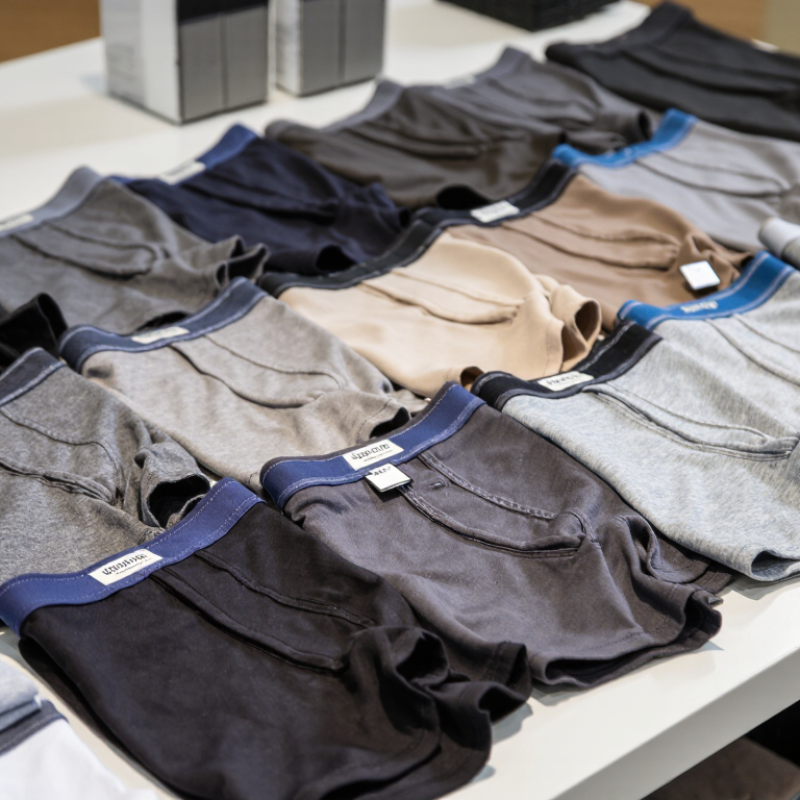
Why Buy Men's Boxer Shorts Wholesale?

What Are Men’s Boxer Shorts and Wholesale Purchasing?

Men’s boxer shorts are loose-fitting underwear with a covered front, a supportive waistband, and separated leg openings. Unlike briefs, they offer more room around the thighs and hips. They are commonly made from cotton, modal, bamboo blends, or stretch fabrics. Each material feels different during daily wear. Cotton feels familiar and breathable. Stretch blends usually move better during work or exercise. In my product evaluations, waistband pressure and seam softness often matter more than appearance.

Wholesale purchasing means buying boxer shorts in larger quantities from a manufacturer or professional supplier. The buyer may choose colors, sizes, fabric blends, labels, packaging, and order quantities. Wholesale pricing can lower the unit cost, but it is not automatically cheaper. That assumption needs checking. Shipping, samples, customs charges, and unsold sizes can change the final cost.

A careful buyer should request a size chart and fabric specifications before confirming production. A sample also reveals stitching quality, elastic recovery, odor, and shrinkage after washing. Small details matter. For example, a waistband may feel comfortable for ten minutes but become tight after several hours. Buyers should review size distribution using actual sales data, not guesswork. It is also wise to confirm production times, inspection procedures, and replacement terms in writing. Some orders still arrive with minor inconsistencies, even after approval. Regular quality checks reduce that risk, but they cannot remove it entirely.

Key Benefits of Buying Men’s Boxer Shorts in Bulk

Why Buy Men's Boxer Shorts Wholesale?

Key Benefits of Buying Men’s Boxer Shorts in Bulk

Buying men’s boxer shorts in bulk can reduce the average cost per pair. The savings become clearer when shipping and packaging are combined. Retailers can also maintain steadier stock during seasonal demand. Empty shelves can quickly push customers toward another seller.

Wholesale purchasing supports better product consistency. Buyers can request matching fabric weights, colors, sizes, and packaging details. Cotton blends may offer softness, breathability, and easier care. However, material claims should be checked through supplier specifications and sample testing. A low price means little if the fabric pills after several washes.

Quality control needs practical attention. Inspect waistband recovery, stitching, seams, and fabric shrinkage before placing a large order. Check several sizes, not only the sample pair. I have seen purchasing plans focus on appearance while ignoring uncomfortable leg openings. That mistake can create returns and slow-moving inventory. A written size chart helps reduce confusion, especially when suppliers use different measurements.

Bulk orders may also improve planning for staff uniforms, online stores, and physical retailers. Yet overbuying remains a real risk. Demand forecasts should consider local preferences, climate, and customer age groups. Smaller test orders can reveal which colors and cuts sell reliably. Keep invoices, inspection records, and agreed specifications for easier supplier accountability. Reliable purchasing is not just about volume. It depends on measurable quality, clear communication, and stock levels that match actual demand.

Why Buy Men’s Boxer Shorts Wholesale?

Estimated unit-cost savings increase as order volume grows.

This example uses a transparent volume-pricing model in USD: $4.80 per pair for 100 units, $4.20 for 500 units, $3.75 for 1,000 units, and $3.30 for 2,500 units. Larger orders can reduce the average purchase cost, simplify replenishment, and improve inventory planning.

How Wholesale Pricing Supports Retail Profitability

Wholesale pricing can support retail profitability when it improves the full cost structure, not just the invoice price. Grand View Research estimates the global men’s underwear market will continue growing through 2030, with demand supported by everyday replacement purchases. That pattern benefits retailers selling practical boxer shorts in steady size ranges.

A lower wholesale cost creates room for healthy gross margins. It also gives retailers flexibility during promotions. For example, a retailer buying 1,000 pairs can allocate stock across core sizes, seasonal colors, and multipack options. Better volume planning may reduce repeated freight charges. It can also simplify product photography, storage, and replenishment.

Small details matter. Soft waistbands, accurate sizing, and breathable fabric can reduce avoidable dissatisfaction. However, wholesale purchasing is not automatically profitable. Minimum order quantities may trap cash in slow-moving sizes. I would review sell-through weekly, not trust forecasts blindly.

The NRF and Appriss Retail 2023 Consumer Returns in Retail report estimated that 14.5% of annual retail sales were returned, worth about 743 billion dollars in the United States. That figure shows why product consistency matters. Clear measurements, fabric specifications, and quality inspections can help limit preventable returns. Retailers should calculate landed cost, including freight, duties, packaging, defects, and storage. The cheapest quotation can become expensive after these additions.

Wholesale works best when purchasing decisions match real customer behavior. Start with controlled quantities. Track repeat orders. Adjust the size curve carefully. Even experienced buyers get this wrong sometimes.

Choosing Fabrics, Sizes, Styles, and Quality Standards

Buying men’s boxer shorts wholesale can improve supply consistency and reduce unit costs for retailers, gyms, and uniform providers. However, price should never lead the decision. Fabric affects comfort, durability, and customer satisfaction. Cotton feels breathable and familiar, while modal offers a smoother touch. A small percentage of elastane helps the waistband recover after repeated washing. Heavy fabric may feel durable, but it can become uncomfortable in warm climates.

Sizing needs careful attention. Measure waist ranges from real customers, not only supplier charts. Some charts look accurate but fit differently in practice. Offer regular, extended, and shorter-leg options when demand supports them.

Styles also matter. Loose boxers suit relaxed wear, while fitted designs reduce fabric movement under trousers. Inspect stitching around the pouch, leg openings, and waistband. Uneven seams often become obvious after several washes.

Quality standards should include colorfastness, shrinkage checks, odor-free packaging, and consistent measurements across batches.

Tips: Request samples before placing a large order. Wash them several times. Record shrinkage, softness, stretching, and seam strength. Check whether the waistband twists after drying. Ask for fiber composition and production inspection records. I still find that one sample is not enough. Test different sizes and colors, because quality can vary between batches. Keep written specifications for fabric weight, measurements, stitching, packaging, and acceptable defects. This creates a clearer basis for supplier discussions and receiving inspections.

What to Consider When Selecting a Wholesale Supplier

Buying men’s boxer shorts wholesale can reduce unit costs, but supplier selection determines the real profit. A low quotation may hide weak stitching, inconsistent sizing, or late shipments. Grand View Research estimates continued growth in the global men’s underwear market through 2030, increasing pressure on suppliers to deliver consistent quality at scale. That growth also makes careless sourcing expensive.

Request physical samples before discussing large orders. Check waistband recovery, seam strength, fabric softness, and shrinkage after washing. A practical test is simple: wash each sample repeatedly, then measure the inseam and waistband again. The result may surprise you. Ask for fabric composition reports, colorfastness testing, and documented quality procedures. ISO 2859-1 inspection methods can support a clearer acceptance standard, especially for repeated wholesale orders.

Material transparency matters too. Textile Exchange’s 2024 Materials Market Report records global fiber production at about 124 million tonnes in 2023, with projections reaching 160 million tonnes by 2030. Suppliers should explain fiber origins, recycled content, and production stages rather than using vague sustainability claims. Review their minimum order quantity, production capacity, lead-time history, and defect-rate records. Request recent inspection evidence, not polished promises. Payment terms deserve equal attention. A flexible supplier can protect cash flow when demand changes, but I would still verify every claim through a small trial order. Mistakes happen. The costly mistake is trusting them blindly.

FAQS

Why should retailers buy men’s boxer shorts in bulk?

Bulk purchasing can lower the average cost per pair. Combined shipping may create further savings. It also helps prevent empty shelves during busy seasons.

How can buyers check fabric quality before placing a large order?

Request samples with different colors and sizes. Wash each sample several times. Check softness, pilling, shrinkage, and breathability afterward.

Which fabrics are suitable for men’s boxer shorts?

Cotton feels familiar and breathable. Modal offers a smoother touch. A small elastane content can help the waistband recover after washing.

Does a lower price always mean better value?

No. Cheap fabric may pill or lose shape quickly. A low price means little after repeated returns.

What quality details should buyers inspect?

Check stitching around the pouch, seams, waistband, and leg openings. Look for uneven threads or twisting waistbands. These flaws may appear after washing.

How can buyers reduce sizing problems?

Compare supplier measurements with real customer waist ranges. Test regular, extended, and shorter-leg options when demand supports them. A written size chart can reduce confusion.

Which boxer styles should retailers consider?

Loose boxers suit relaxed wear. Fitted designs move less under trousers. Customer age, climate, and local preferences should guide the selection.

How can buyers avoid ordering too much inventory?

Use a smaller test order before committing to large quantities. Track colors, sizes, and cuts that sell reliably. Overbuying still happens, even with careful forecasts.

What records should buyers keep during wholesale purchasing?

Keep invoices, inspection records, and written specifications. Record fabric weight, measurements, packaging, and acceptable defects. Clear records support better receiving checks.

Is one sample enough for quality testing?

Usually not. Test several sizes and colors. I once focused too much on appearance and missed uncomfortable leg openings. That was a costly reminder.

Conclusion

Men’s boxer shorts are comfortable, versatile undergarments designed for everyday wear, while wholesale purchasing means ordering them in larger quantities at a reduced unit cost. Men’s Boxer Shorts Wholesale allows retailers, distributors, and online sellers to build a balanced inventory of popular products while improving purchasing efficiency. Buying in bulk can provide better pricing, consistent stock availability, and greater flexibility when serving different customer preferences.

A successful wholesale strategy should consider fabric comfort, breathability, durability, size ranges, colors, patterns, and practical styles. Clear quality standards are also important for maintaining customer satisfaction and reducing returns. Wholesale pricing can support retail profitability by creating room for competitive pricing and healthy margins. When selecting a supplier, buyers should evaluate product consistency, production capacity, communication, delivery reliability, packaging, and willingness to provide samples or inspection details. A dependable supplier can help ensure that product quality and supply remain stable as the business grows.

Aveline

Aveline

Aveline is a highly experienced marketing professional dedicated to helping businesses understand and benefit from innovative products and practical solutions. With a strong background in market research, content strategy, customer insights, and digital communication, Aveline brings clarity,......