
Industry News & Updates

Apparel Manufacturing Insights & Blog

Discover fashion trends, garment sourcing tips, and sustainable manufacturing practices from Posh Garments Ltd.

Sustainable Fashion

Quality, Compliance & Sourcing Guides

Ethical manufacturing insights — from organic fabric selection to global logistics.

Global Export Leaders

Women's, Men's & Kids' Garments

Expert articles on garment production, OEM/ODM apparel manufacturing, and export trends.

0%

Women’s Blouses Manufacturing connects design ideas with fabric, machinery, skilled labor, and careful quality control. A blouse may look simple on a sketch, yet production involves many decisions. Fabric weight matters. So do seam strength, button placement, sleeve balance, and shrinkage after washing. A small measurement error can distort the entire fit.

Rick Helfenbein, former president of the American Apparel & Footwear Association, described apparel as “one of the most global industries in the world.” His observation helps explain modern blouse sourcing. A brand may develop the pattern in London, purchase viscose from China, and work with a factory in Vietnam. Each stage needs documented specifications, realistic timelines, and transparent communication. Otherwise, a beautiful sample may become an inconsistent bulk order.

This guide explains what Women’s Blouses Manufacturing and sourcing involve. It examines product development, fabric selection, factory evaluation, sampling, costing, inspections, packaging, and delivery. Practical details matter here. A sourcing team should check sewing density, color consistency, pressing quality, and labeling accuracy before shipment. Factory experience also deserves attention, not just the lowest quotation. Cheap production can create expensive returns.

The process is not perfectly predictable. Forecasts change. Fabrics behave differently. Communication can fail. Even experienced teams miss details sometimes. That weakness deserves honest review, not concealment. Strong manufacturers respond with corrective actions, written records, and repeatable procedures. Responsible sourcing also considers worker safety, environmental controls, and applicable standards. In the end, reliable blouse production depends on evidence, patience, and cooperation rather than attractive promises alone.
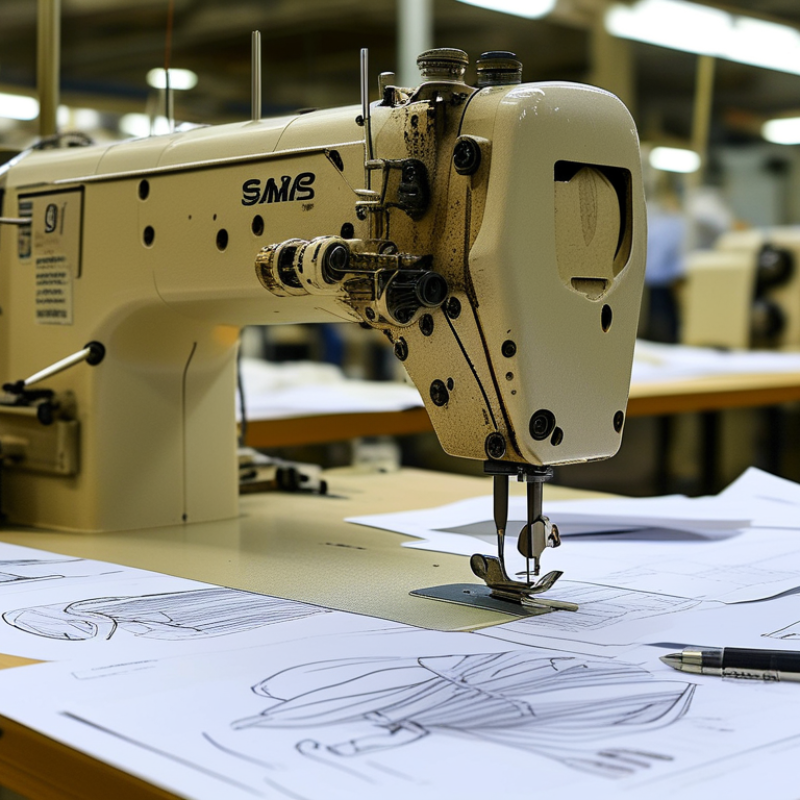
What Is Women’s Blouses Manufacturing and Sourcing?

Definition and Scope of Women’s Blouse Manufacturing and Sourcing

What Is Women’s Blouses Manufacturing and Sourcing?

Definition and Scope of Women’s Blouse Manufacturing and Sourcing

Women’s blouse manufacturing means converting a design into a tested, saleable garment. The process includes fabric selection, pattern making, grading, cutting, sewing, pressing, finishing, and packing. It may also cover buttons, labels, trims, and final inspections. A practical factory review checks seam strength, measurement tolerance, color consistency, and shrinkage after washing.

Women’s blouse sourcing is broader. It involves finding suitable suppliers, comparing quotations, confirming minimum order quantities, and arranging material purchases. Buyers also review production capacity, lead times, worker safety, and documentation. A small sampling room may hold cotton poplin, viscose, linen blends, and recycled polyester. Each fabric changes the blouse’s drape, breathability, cost, and care instructions.

The scope extends from fiber selection to shipment and traceability. Textile Exchange’s 2024 Materials Market Report estimates global fiber production reached 124 million tonnes in 2023. It may approach 160 million tonnes by 2030. This growth increases material choices, but also complicates environmental evaluation. The figure is useful, yet imperfect, because it combines different fiber types and production systems. The International Labour Organization estimates that over 60 million people work in garment, textile, and footwear production worldwide. Therefore, sourcing decisions affect more than price and appearance. A sample may look excellent but fail after three washes. That gap deserves careful testing. Supplier claims also require verification through records, inspections, and consistent production evidence.

Materials, Designs, and Construction Methods for Women’s Blouses

What Is Women’s Blouses Manufacturing and Sourcing?

Women’s blouse manufacturing begins with decisions about fiber, weight, and intended use. Cotton poplin gives crisp structure, while viscose creates softer movement. Linen breathes well, but its natural wrinkles require honest design planning. For cooler styles, lightweight wool blends can add warmth without excessive bulk. Material testing should include shrinkage, colorfastness, pilling, and seam performance. A fabric may look beautiful on a roll. It may disappoint after washing.

Design turns these properties into practical details. A relaxed blouse needs enough ease across the bust and shoulder. A fitted style depends on accurate darts, balanced seams, and careful grading between sizes. Collars, cuffs, plackets, and sleeve openings affect appearance and daily comfort. Small choices matter. A narrow hem can suit fluid fabric, while a wider hem stabilizes crisp cloth. Decorative gathers should not pull against buttons or create uneven shadows.

Construction commonly combines cutting, fusing, sewing, pressing, and inspection. Skilled teams check grain direction before panels reach the machine. Seam allowances must match the fabric’s fraying behavior and final silhouette. Lightweight materials often need fine needles and controlled tension. Heavier cloth may require stronger thread and reinforced stress points. Reliable sourcing also requires fabric records, consistent quality, and clear production checks. Perfect samples are not enough. Wash tests, fit reviews, and repeated corrections reveal hidden problems. Sometimes a beautiful sample is too delicate, too costly, or awkward to wear. That finding should change the pattern, not be ignored.

The Step-by-Step Process of Manufacturing Women’s Blouses

What Is Women’s Blouses Manufacturing and Sourcing?

The Step-by-Step Process of Manufacturing Women’s Blouses

Manufacturing begins with a clear product brief. It defines the blouse’s silhouette, fabric weight, measurements, trims, and target cost. A technical designer then creates a tech pack with sketches, construction notes, and measurement tolerances. Small details matter. A 1-centimeter shoulder error can change the fit noticeably.

The sourcing team compares mills and factories against quality, capacity, lead time, and compliance records. Fabric samples are tested for shrinkage, colorfastness, pilling, and seam performance. Textile Exchange reported that global fiber production reached 124 million tonnes in 2023, with polyester representing about 59% of the total. This figure shows why fiber selection requires environmental and performance judgment, not just price comparison. Cotton, recycled fibers, and blended fabrics can behave differently during cutting and washing.

A first sample is sewn and reviewed on a fit model. Corrections may affect the collar, sleeve balance, button placement, or hem shape. The factory then prepares a pre-production sample before grading sizes and cutting bulk fabric. During production, inspectors check panels, stitch density, measurements, and pressing quality. Final inspections often use an agreed acceptable quality limit, but sampling cannot reveal every defect. We still miss things. That is why documented inspections, traceable approvals, and honest supplier communication remain essential. McKinsey’s State of Fashion research has repeatedly identified supply-chain transparency as a major industry challenge, making reliable records as important as the finished blouse.

How Brands Source Blouses and Select Reliable Suppliers

Women’s blouses manufacturing and sourcing involves more than choosing a factory. It connects design, fabric selection, sampling, production, and quality control. Brands usually begin with a technical pack showing measurements, stitching details, trims, and approved materials. A reliable supplier should understand these requirements clearly and ask useful questions before quoting.

Supplier evaluation needs evidence, not attractive photographs. Request fabric swatches, production samples, factory details, and recent quality records. Check whether the supplier can maintain consistent measurements across several samples. Inspect seam strength, button attachment, shrinkage, color accuracy, and pressing quality. A low price can hide weak fabric or rushed workmanship. It happens often. Clear communication also matters. Response time, written specifications, and realistic production schedules reveal operational discipline. However, a polished sales process does not always guarantee stable production. Brands should verify capacity, subcontracting practices, and inspection procedures before placing larger orders. A small trial order can expose problems earlier, although it cannot predict everything.

Tips: Compare at least three qualified suppliers. Ask for a pre-production sample. Confirm fabric composition and care instructions in writing. Set measurable tolerances for size and stitching. Keep approval records, including dated photos. Do not rely only on promised delivery dates. Leave space for revisions, because the first sample may look correct but feel uncomfortable during wear. Recheck critical details after washing. A blouse can pass visual inspection and still twist at the side seam.

What Is Women’s Blouses Manufacturing and Sourcing? - How Brands Source Blouses and Select Reliable Suppliers
Dimension Typical Requirement or Benchmark Why It Matters in Blouse Sourcing Recommended Supplier Verification
Product Development Tech pack, measurement chart, artwork, fabric details, trims, and packaging instructions Creates a clear production reference and reduces interpretation errors between the buyer and factory. Request a pre-production sample and confirm that all approved specifications are recorded in writing.
Common Fabric Composition 100% cotton, cotton blends, viscose, polyester, linen blends, and recycled polyester Fiber content affects comfort, drape, durability, care instructions, cost, and product positioning. Check fiber content through supplier documentation and independent laboratory testing when required.
Fabric Weight Approximately 80–180 GSM for lightweight to medium-weight woven blouses GSM influences opacity, breathability, drape, seasonal suitability, and shipping weight. Compare the approved fabric swatch with bulk fabric and verify GSM using a calibrated testing method.
Minimum Order Quantity Commonly 300–1,000 pieces per style or color; lower quantities may involve a surcharge MOQ affects inventory risk, unit cost, fabric purchasing, and the feasibility of testing a new design. Confirm whether MOQ applies per style, color, fabric, or total order, and request a written price ladder.
Sample Development Lead Time Usually 7–21 calendar days after receiving complete specifications and materials A realistic sample schedule helps buyers evaluate fit, construction, fabric behavior, and appearance before bulk production. Ask for a sample calendar covering pattern making, first sample, revisions, and final approval.
Bulk Production Lead Time Approximately 30–60 calendar days after approval of the pre-production sample and materials Lead time affects launch dates, replenishment planning, seasonal sales, and transportation bookings. Obtain a production schedule with fabric booking, cutting, sewing, finishing, inspection, and packing milestones.
Quality Inspection Standard AQL 2.5 for major defects is commonly used for finished-goods inspections; buyer standards may differ A defined acceptance standard makes inspection results measurable and reduces disputes over defects. Use a written inspection checklist covering measurements, workmanship, appearance, labeling, and packing.
Dimensional Tolerance Often about ±0.5–1.0 cm for key garment measurements, subject to the approved measurement chart Consistent sizing is essential for fit, customer satisfaction, return-rate control, and size grading. Measure finished garments from a representative sample using the same points of measure stated in the tech pack.
Colorfastness Grade 4 or above is a common target for color change and color staining, depending on the end use Good colorfastness helps prevent fading, staining, and customer complaints during washing or wear. Request test reports for washing, rubbing, perspiration, and lightfastness when relevant to the fabric and market.
Shrinkage Control Often targeted at no more than 3% after the specified care process, unless otherwise approved Fabric shrinkage can change garment measurements, fit, and appearance after laundering. Conduct pre-production and post-wash measurements on fabric and finished garments using the approved care method.
Compliance Documentation Fiber-content records, restricted-substance documentation, social-compliance evidence, and product test reports Documentation supports legal compliance, retailer requirements, consumer safety, and responsible sourcing. Verify document validity, scope, testing methods, and whether the documents apply to the actual production facility.
Production Capacity Capacity should be assessed by monthly output, sewing lines, workforce, equipment, and current utilization A supplier may quote a suitable quantity but still lack available capacity during peak seasons. Review capacity planning, current order loading, machinery suitability, and the factory’s contingency arrangements.
Payment Structure A 30% deposit with the balance due before shipment is a commonly negotiated structure Payment terms influence cash flow, production commitment, and financial exposure for both parties. Use a written purchase contract that defines deposits, balance conditions, inspection rights, and remedies.
Shipping Terms FOB, EXW, FCA, and CIF are commonly discussed; the selected term determines cost and risk allocation Incoterms clarify responsibility for transport, export procedures, insurance, and transfer of risk. Compare quotations on the same Incoterm, port, currency, packaging basis, and shipment volume.
Supplier Reliability Indicators Stable quality, transparent communication, realistic lead times, traceable materials, and consistent production records Reliability is more than a low price; it determines repeat-order performance and supply-chain stability. Conduct factory verification, check relevant references, place a controlled trial order, and monitor corrective actions.

Quality Control, Compliance, Pricing, and Delivery Considerations

Women’s blouse manufacturing combines fabric selection, pattern development, sewing, finishing, and inspection. Sourcing adds supplier evaluation, cost negotiation, compliance checks, and shipment planning.

In practical factory reviews, I examine stitching density, seam strength, button attachment, shade consistency, and measurement tolerance. A sample should survive repeated handling before bulk production begins. Small defects matter. Inspectors should record findings with dated photos and measurable standards. Random checks during production often reveal problems that final inspection misses.

Compliance requires more than a signed supplier statement. Materials should meet destination-market rules for fiber content, care labels, flammability, and restricted substances. Documents should match the actual fabric and production batch. Factories should also control worker safety, working hours, and chemical storage through verifiable records. However, paperwork alone proves little. An on-site review or independent test can expose gaps.

Pricing depends on fabric weight, construction details, order quantity, labor, packaging, and transport. Ask for a clear cost sheet before comparing quotations. Low prices may hide weaker fabric, rushed inspection, or excluded shipping charges. Delivery planning needs confirmed production capacity, approval dates, inspection time, and freight buffers. Weather, port congestion, and customs delays remain realistic risks. I prefer written milestones and a small contingency window. No forecast is perfect. That uncertainty deserves honest planning.

FAQS

: What should a blouse product brief include?

: It should define the silhouette, fabric weight, measurements, trims, and target cost. Small details matter. A one-centimeter shoulder error can change the fit noticeably.

What information belongs in a technical pack?

Include sketches, construction notes, measurements, stitching details, trims, and tolerance standards. Add approved fabric information. Clear instructions reduce avoidable sampling mistakes.

How should suppliers be evaluated?

Compare quality, capacity, lead time, compliance records, and communication habits. Request factory details and recent quality records. Photographs alone are not enough.

Which fabric tests are important for blouses?

Test shrinkage, colorfastness, pilling, seam performance, and fabric composition. Washing can reveal problems. Cotton, recycled fibers, and blends may behave differently during cutting and care.

Why is the first sample important?

A fit model can review the collar, sleeves, buttons, hem, and overall comfort. A sample may look correct but feel uncomfortable. That difference is easy to miss.

What happens before bulk production?

The factory prepares a pre-production sample, confirms approvals, grades sizes, and cuts the fabric. Keep dated photos and written approvals. A rushed approval creates later confusion.

How can production quality be checked?

Inspect panels, stitch density, measurements, seam strength, buttons, and pressing quality. Check several pieces, not only one. Sampling still misses some defects.

What should a small trial order reveal?

It can expose inconsistent measurements, weak stitching, poor pressing, or delayed communication. It cannot predict everything. That limitation deserves honest attention.

How can delivery and care details be controlled?

Confirm fabric composition, care instructions, tolerances, and realistic schedules in writing. Leave time for revisions. Do not depend only on promised dates.

Conclusion

Women’s Blouses Manufacturing and sourcing covers the complete process of turning design concepts into finished garments and connecting them with suitable suppliers. It includes selecting fabrics, trims, colors, and construction techniques according to the blouse’s intended style, season, comfort, and target market. Manufacturing typically involves design development, pattern making, sample creation, fabric preparation, cutting, sewing, finishing, pressing, inspection, and packaging. Each stage requires coordination to maintain consistent measurements, appearance, durability, and overall quality.

For sourcing, businesses evaluate suppliers based on production capabilities, technical expertise, communication, capacity, lead times, and previous performance. Reliable partnerships also depend on clear specifications, sample approval, transparent pricing, and realistic order quantities. Quality control should cover materials, workmanship, sizing, color consistency, labeling, and final-product inspection. In addition, responsible sourcing requires attention to applicable safety, labor, environmental, and product-compliance requirements. Careful planning of costs, payment terms, logistics, and delivery schedules helps reduce production risks and supports a stable supply chain for women’s blouses.

Ethan

Ethan

Ethan is a dedicated marketing professional with extensive knowledge of the company’s products, solutions, and customer-focused approach. As a regular contributor to the company website, he creates informative blog articles that explain complex product features, industry developments, and practical......