
Featured Light Woven Garment Collections
Precision-tailored custom blouses, tops, dresses, and casual apparel ready for bulk OEM/ODM export.
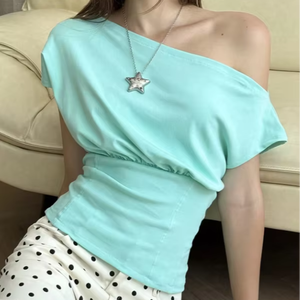 Slim Fit / Ruched
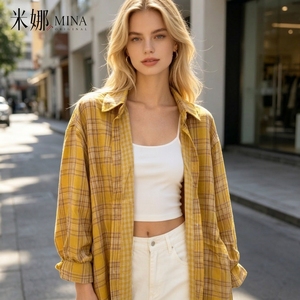 High-Density Weave
 100% Organic Linen
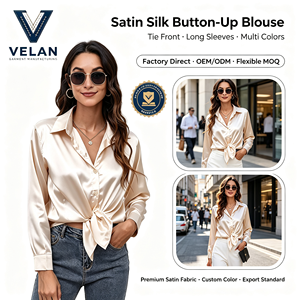 Silk Chiffon Blend
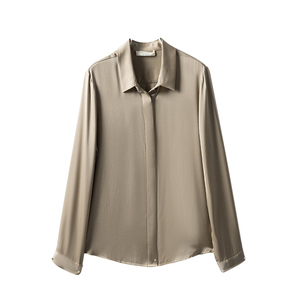 Digital Print Tech
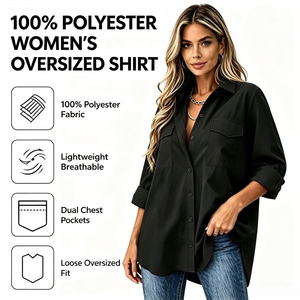 Dual Pocket Design
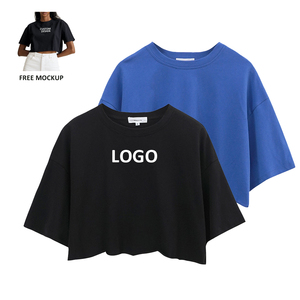 2026 S/S Trend
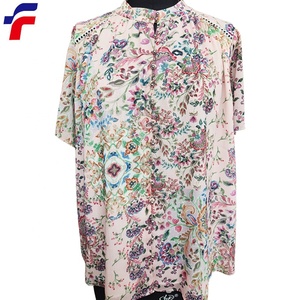 Floral Print OEM
1. Technical Architecture of Light Woven Garment Manufacturing
Light woven garments represent one of the most technically demanding segments in modern apparel engineering. Defined by fabric weight parameters ranging from 60 GSM to 140 GSM (Grams per Square Meter), light woven textiles—including silk crepe de chine, cotton lawn, high-count linen blends, viscose rayon, and ultra-fine chiffon—require precision tension management, micro-needle calibration, and advanced seam construction to prevent puckering, slippage, or distortion.
As global fashion supply chains transition toward higher quality standards under strict compliance metrics, sourcing directors must look beyond basic FOB pricing. The modern competitive advantage relies heavily on material science, warp-and-weft dimensional stability, and verified eco-friendly dyeing processes.
| Fabric Type | GSM Range | Yarn Density / Count | Key Performance Characteristics | Optimal Application |
|---|---|---|---|---|
| Cotton Lawn / Voile | 70 - 105 GSM | 60s - 80s Single/Plied | Ultra-smooth, crisp hand feel, high breathability | Luxury Summer Blouses, Resort Wear |
| Mulberry Silk Crepe | 60 - 90 GSM | 14-16 Momme | Natural luster, fluid drape, hypoallergenic skin feel | High-End French Style Shirts, Evening Tops |
| 100% Pure Flax Linen | 110 - 145 GSM | 14s - 21s French Linen | Thermoregulating, high tensile strength, anti-bacterial | Casual Oversized Shirts, Eco-Boutique Wear |
| Recycled Polyester Chiffon | 65 - 85 GSM | 50D/72F Microfiber | GRS Certified, crease-resistant, vivid color yield | Printed Office Blouses, Ruched Tops |
Our facility leverages automated fabric spreading tables integrated with optical tension sensors, ensuring that delicate lightweight textiles are tension-free during laser pattern cutting. This drastically reduces shade band variations and pattern tolerances down to less than ±1.0mm.
2026–2030 Global Light Woven Procurement Trends
Strategic Insights for Sourcing Executives, Brand Managers, and Supply Chain Architects
1. Closed-Loop Circular Fibers
Global buyer requirements are shifting rapidly toward circularity. By 2026, over 65% of European and North American fashion conglomerates will mandate GRS (Global Recycled Standard) and OEKO-TEX Standard 100 certifications for lightweight synthetic and cellulosic weaves.
2. Ultra-Agile Micro-Batch MOQs
Traditional 3,000-piece single-color orders are giving way to agile "test-and-repeat" models. Brands require low initial order quantities (300–500 pcs) combined with 14-day rapid reorder fulfillment to mitigate overstock inventory risks.
3. 3D Digital Twin Sampling
Using CLO 3D and Optitex, tech packs are translated into photorealistic 3D garment renderings within 24 hours. Physical sample rounds are reduced from 4 iterations to just 1, cutting pre-production lead times by 65%.
3. Craftsmanship Engineering & Quality Control Matrix
Precision execution in light woven manufacturing requires specialized equipment and trained craftsmanship. Lightweight fabrics are uniquely sensitive to mechanical stress during assembly. Below is our structural QA matrix enforced across our 12 specialized production lines:
Specialized Craftsmanship Capabilities
- Faggoting & Pin-Tucking: High-density micro pin-tucks for refined aesthetic detailing on luxury blouses.
- Smocking & Shirring: Computer-controlled tension thread feeding for uniform waist elasticity.
- French Seams & Bias Binding: Fully enclosed 5mm French seams eliminating raw edge fraying on semi-sheer chiffons.
- Automated Button Attaching & Lockstitch: Tension-calibrated button sewing with shank wrapping to withstand >90N pull force.
Strict AQL 1.5/2.5 Inspection System
- 4-Point Fabric Inspection: Raw fabric rolls inspected before cutting; rolls scoring >20 penalty points per 100 sq yds are rejected.
- In-Line Inline Traffic Light System: QC inspectors check 5 garments per machine hourly; instant line stop triggered if needle heat damage occurs.
- Metal Detection & Needle Audit: 100% of finished woven garments pass dual-head conveyor needle detectors prior to final packing.
- Dimensional Wash Stability Test: Lab washing at 40°C tests shrinkage tolerances within ±3% for warp and weft.
Why Partner With Us: Our Enterprise OEM/ODM Advantage
Combining 41 Years of Heritage with Modern Factory Compliance and Vertical Efficiency
Full Social Compliance
Certified under BSCI, SEDEX (SMETA 4-Pillar), and SLCP. We uphold strict labor standards, fair wages, workplace safety, and zero-child-labor policies, giving global retailers complete audit peace of mind.
Vertical Supply Integration
Deep strategic partnerships with top-tier weaving mills and dye houses in China and international hubs. We secure raw material lab dips in 3-5 days and offer localized duty-free sourcing avenues.
ERP & Real-Time Tracking
Our proprietary Cloud ERP system tracks every order phase from yarn procurement to cutting, stitching, finishing, and container loading. Buyers receive real-time production milestone reports.
Frequently Asked Sourcing & Procurement Questions
Everything Sourcing Managers Need to Know About OEM/ODM Production with Us
Accelerate Your Light Woven Supply Chain Today
Connect directly with our engineering team to request custom tech pack evaluations, instant fabric swatches, lab dips, and competitive bulk price quotations.