
Featured Wholesale Sustainable Denim Products & Eco-Fabrics
Direct from China’s leading sustainable denim mills. Engineered with GOTS/GRS certified organic cotton, recycled fibers, waterless washing techniques, and high-tensile stretch technologies.
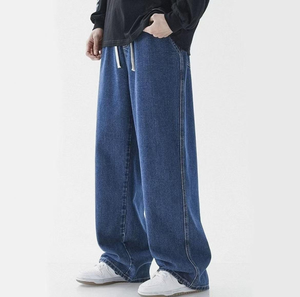
Factory Wholesale Summer Casual Mid-rise Straight Printed Eco-Friendly Denim Jeans
Send an Inquiry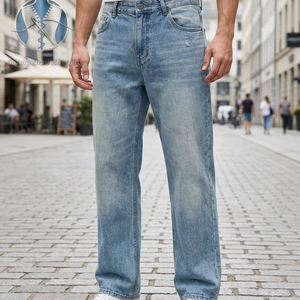
ODM OEM Factory Men's Spring/Summer Light-Blue Washed Denim Vintage Cat-Whisker Eco-Friendly Mid Straight-leg Jeans Trendy
Send an Inquiry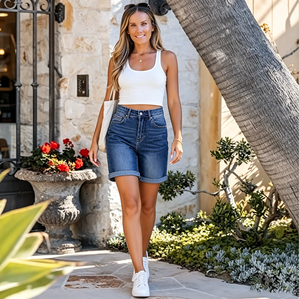
High Waist Fold Hem Jean Shorts Women Western Country Concert Stretchy Denim Shorts Wholesale
Send an Inquiry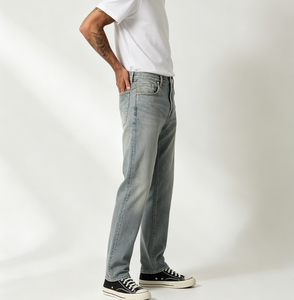
Wholesale Custom Logo Men Light Grey Blue Straight Leg Jeans Classic Five Pocket Button Zip Fly Denim Pants Bulk
Send an Inquiry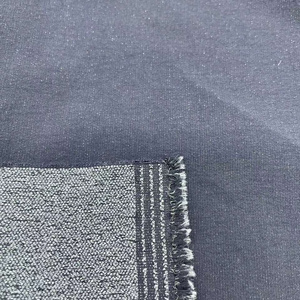
100% Cotton Stretch Bamboo Designer Denim Fabric N23B1164 Yarn Dyed Twill Eco-Friendly Weft Woven
Send an Inquiry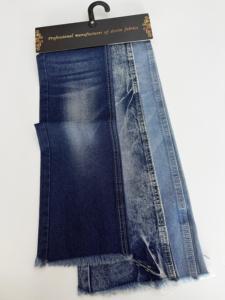
Wholesale 180cm Extra Wide Blue Denim Fabric 332GSM 9.8OZ Eco-Friendly Regenerated Cellulose Polyester/Cotton Blend Tricot Girls
Send an Inquiry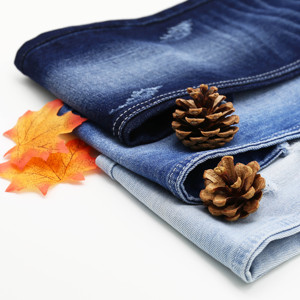
Zhonghui Wholesale Factory Direct Recycled Cordura Denim Jeans Fabric
Send an Inquiry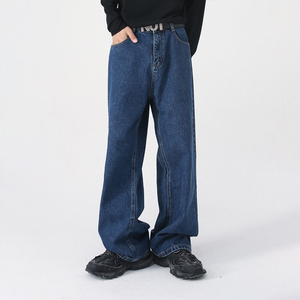
OEM ODM Wholesale Eco Medium Best Selling Style Jeans Washed Loose Fashion Retro Straight Leg Medium Jeans for Men
Send an InquiryStrategic Sourcing Guide: Decoding China’s Sustainable Denim Supply Chain
An authoritative analysis of material breakthroughs, waterless finishing tech, and ESG compliance for international apparel procurement officers.
1. Next-Generation Eco-Fibers & Circular Substrates
The global denim sector is undergoing a profound paradigm shift driven by stringent regulatory frameworks such as the EU Corporate Sustainability Due Diligence Directive (CSDDD) and the EU Strategy for Sustainable and Circular Textiles. As the primary industrial hub for global apparel exports, leading Chinese denim manufacturers are actively overhauling raw material matrices. Modern sustainable denim fabric production has moved far beyond basic organic cotton blending to encompass sophisticated closed-loop cellulose blends, post-consumer recycled (PCR) cotton, and high-performance hybrid synthetic filaments.
Key fiber innovations currently shaping China’s top wholesale export catalogs include:
- Organic & Regenerative Cotton (GOTS & OCS Certified): Cultivated without synthetic pesticides or chemical fertilizers, lowering soil degradation while reducing water footprints by up to 91% compared to conventional cotton farming.
- Regenerated Bamboo & Tencel™ Lyocell Blends: Utilizing sustainably harvested wood pulp processed in closed-loop systems where over 99% of non-toxic solvents are recovered and reused. Fabrics such as our 100% Cotton Stretch Bamboo Designer Denim Fabric (N23B1164 Yarn-Dyed Twill) combine silky drape, moisture management, and natural antibacterial characteristics with classic indigo aesthetics.
- Recycled Cordura® & PCR Poly Hybrid Yarns: Merging extreme abrasion resistance with environmental stewardship. Products like Zhonghui Recycled Cordura Denim Fabric re-engineer post-industrial nylon waste into heavy-duty 9.8oz to 14oz denim, providing unprecedented tear strength for workwear and urban fashion without virgin petrochemical consumption.
2. Advanced Waterless Dyeing & Jeanologia EIM Low-Impact Finishing
Historically, denim processing was among the most water-intensive sectors within textile manufacturing, consuming between 70 to 100 liters of water per pair of jeans. Leading Chinese eco-exporters have integrated state-of-the-art washing technology suites that reduce water usage by up to 95%, completely eliminating hazardous chemical discharge in compliance with ZDHC (Zero Discharge of Hazardous Chemicals) Level 3 guidelines.
Three core technological pillars underpin our low-impact garment washes:
A. Ozone Garment Bleaching & De-Sizing: By utilizing gaseous ozone generated directly on-site, indigo dye is oxidized cleanly without sodium hypochlorite or potassium permanganate (PP). Ozone washing reduces bath cycles, preserves fiber tensile integrity, and leaves no toxic chemical residue on finished garments such as light-blue vintage cat-whisker straight-leg jeans.
B. 3D Laser Distressing & Whisker Sculpting: Replacing manual hand-scraping, sandblasting, and PP spraying with precision thermal laser systems. Laser technology reproduces authentic vintage fading, whiskers, and honeycombs with zero water consumption, zero manual chemical exposure, and micro-second repeat accuracy across high-volume production runs.
C. Nanobubble & Foam Technology (e-Flow Systems): Transmitting chemical softeners, enzymes, and specialized finishes using microscopic air bubbles instead of massive water baths. This micro-carrier system slashes water consumption to less than 5 liters per garment while reducing energy consumption by 60%.
Quantitative Technical Matrix: Conventional vs. Sustainable Denim Manufacturing
To assist global sourcing managers and apparel buyers in calculating environmental performance metrics for ESG reporting, the following comparative dataset outlines key operational benchmarks:
| Performance Indicator | Conventional Denim Wash | China Sustainable Eco-Wash | Impact Reduction % |
|---|---|---|---|
| Water Consumption per Garment | 70 – 110 Liters | 3.5 – 12 Liters | 85% – 95% Savings |
| Jeanologia EIM Score | 65+ (High Environmental Impact) | 0 – 33 (Green / Low Impact) | 50%+ Optimization |
| Chemical Hazard Level | Standard Bleach / PP Spray | ZDHC Level 3 / Aniline-Free | 100% Non-Toxic |
| Thermal Energy Usage (kWh/pc) | 4.8 kWh | 1.9 kWh (Ozone & Solar-Assisted) | 60.4% Energy Cut |
| Tensile Strength Loss (After Wash) | 18% – 25% Reduction | < 8% Reduction | 2.5x Fabric Longevity |
| Traceability & Digital Passport | Paper Batch Certificates | QR Blockchain / DPP Ready | 100% Audit Transparency |
Future Procurement & Development Trends in Sustainable Denim
Anticipating buyer demands, material advancements, and supply chain shifts over the next decade.
Key Trend 1: Widespread Adoption of Digital Product Passports (DPP)
By 2026, European Union regulations will mandate Digital Product Passports for textiles sold within member states. Global brand buyers are rapidly gravitating toward Chinese exporters capable of supplying granular data at the yarn level. Through RFID integration and blockchain-backed supply chain logging, buyers can trace the exact organic cotton farm coordinates, dyeing facility energy metrics, and recycled content percentages of every garment—from raw fiber to the final packaged retail item.
Key Trend 2: Ultra-Wide Fabrics & Zero-Waste Pattern Engineering
Fabric yield optimization is a core pillar of sustainable manufacturing economics. Innovations such as Wholesale 180cm Extra Wide Blue Denim Fabric (332GSM / 9.8OZ Eco-Friendly Regenerated Cellulose Polyester/Cotton Blends) allow garment factories to increase marker efficiency to over 88%. By maximizing layout density across 180cm widths compared to standard 145cm narrow looms, apparel producers eliminate millions of tons of scrap fabric annually, directly reducing total per-unit manufacturing costs.
Key Trend 3: Smart Micro-Batch Sourcing & Modular OEM/ODM Flexibility
The traditional model requiring 10,000-unit Minimum Order Quantities (MOQs) per style is giving way to agile, data-driven procurement strategies. Premier Chinese manufacturers now offer flexible OEM/ODM sampling and micro-batch production lines (e.g., 300 to 500 pieces per style for specialized printed or washed denim jeans). This reduces deadstock inventory risks for international fashion labels while enabling rapid market testing of trending seasonal fits.
State-of-the-Art Factory Infrastructure & Quality Management
Combining multi-decade textile manufacturing heritage with international social compliance, advanced engineering, and strict physical-chemical testing standards.
Our manufacturing ecosystem integrates full vertical alignment—from raw yarn spinning, weaving, and yarn-dyeing to automated cutting, precision sewing, eco-washing, and final packing. Operating with advanced ERP systems, Industrial Engineering (IE) workflow optimization, and strict Quality Management Systems (QMS), we guarantee dependable lead times and immaculate craftsmanship across millions of units annually.
Frequently Asked Questions by International Denim Buyers
Addressing key operational, technical, logistics, and compliance inquiries for wholesale importers.