
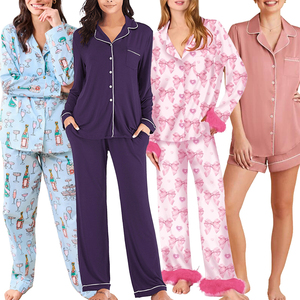
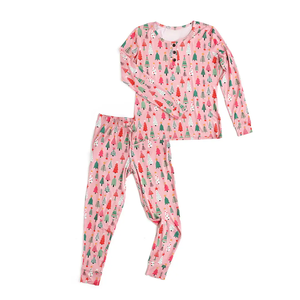
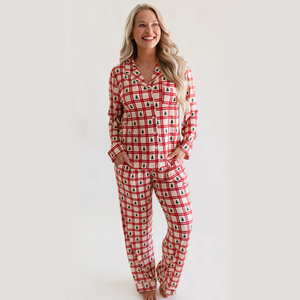
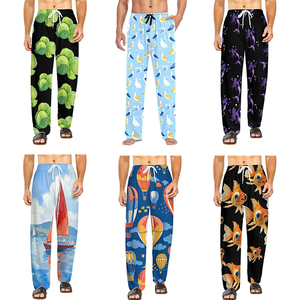
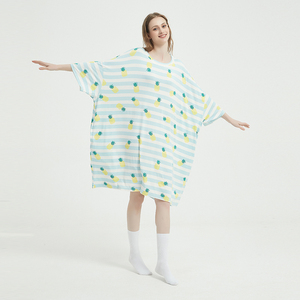
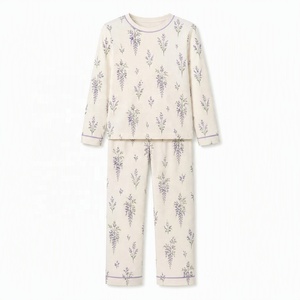
Featured Private Label Bamboo Apparel Collection
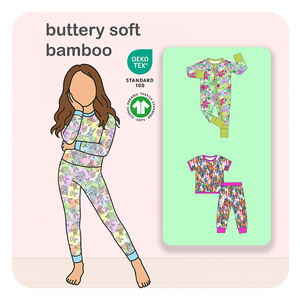
Direct-from-factory OEM/ODM production featuring 93% Bamboo Viscose / 7% Spandex, organic cotton blends, and custom branded nightwear crafted to international compliance standards.
Executive Industry Whitepaper: The Global Evolution of Bamboo Loungewear & Sleepwear
An in-depth technical analysis for apparel sourcing directors, brand managers, and B2B buyers evaluating private label bamboo manufacturing in China.
The global loungewear and sleepwear market has undergone a structural paradigm shift over the past decade. Driven by shifting consumer attitudes toward indoor comfort, wellness-centric fashion, and environmental accountability, traditional synthetic knits and conventional cotton are rapidly losing shelf share to bio-based cellulosic fibers. At the epicenter of this revolution is Bamboo Viscose and Bamboo Lyocell apparel—a category experiencing a compound annual growth rate (CAGR) exceeding 9.8% globally, with North American and Western European markets leading demand.
As premier China wholesale private label bamboo loungewear manufacturers and exporters, our production facilities combine four decades of foundational textile heritage with modern closed-loop spinning technologies. Sourcing bamboo loungewear is no longer merely about acquiring soft fabrics; it requires navigating complex supply chain variables including yarn count consistency, elastane recovery ratios, reactive eco-dyeing protocols, and international social audit compliance (BSCI, SEDEX, SLCP). This whitepaper details the engineering, economic, and operational standards governing high-performance bamboo loungewear export.
Technical Material Matrix: Bamboo Viscose vs. Traditional Fibers
| Performance Metric | 93% Bamboo Viscose / 7% Spandex | 100% Combed Ring-Spun Cotton | Micro-Modal (Beechwood) | 100% Polyester Fleece |
|---|---|---|---|---|
| Moisture Absorption & Wicking | 3x Faster than Cotton (Micro-gap structure) | Moderate absorption; retains dampness | High absorption; slow drying speed | Low absorption; hydrophobic trapping |
| Thermal Regulation Index | Self-regulating cool-touch (-2°C skin feel) | Neutral thermal insulation | Warm to neutral touch | High heat trapping; low breathability |
| Tensile Strength (Dry / Wet) | 28.5 cN/tex (High resilience knit) | 22.0 cN/tex | 26.0 cN/tex | 35.0 cN/tex |
| Antimicrobial Properties (Bamboo Kun) | Inherent bio-agent retains 70%+ efficacy | Requires chemical wash additives | None (Cellulosic untreated) | Prone to bacterial odor retention |
| Skin Sensitivity & Allergy Rating | Hypoallergenic (OEKO-TEX Class 1 Safe) | Good; potential pesticide residue | Hypoallergenic | High risk of micro-synthetic irritation |
| Eco-Footprint & Water Usage | Zero artificial irrigation; FSC bamboo | High water footprint (10,000L/kg) | Moderate forestry impact | Petrochemical derived; microplastics |
Future Procurement & Sourcing Trends in Bamboo Apparel
1. Closed-Loop Bamboo Lyocell Adoption
While traditional bamboo viscose remains the market leader due to its silky hand-feel and cost efficiency, enterprise buyers are increasingly specifying Bamboo Lyocell. Utilizing an N-Methylmorpholine N-oxide (NMMO) organic solvent process, 99.7% of water and chemical agents are recycled in a closed loop. Forward-thinking brands must align with OEM suppliers possessing dual-processing capabilities for both Viscose and Lyocell yarns.
2. High-Density GSM & All-Season Ribbed Knits
Loungewear is expanding beyond thin bedtime pajama sets into multi-functional day-to-night apparel. Sourcing orders are shifting from standard 180 GSM single jerseys toward 240–280 GSM heavy ribbed knits, French terry bamboo fleece, and waffle weaves. These structures offer squat-proof opacity, premium drape, and all-weather thermal versatility essential for upscale retail collections.
3. Stringent Chemical & Traceability Audits
Global customs regulations—including the EU Digital Product Passport (DPP) and North American import compliance—require end-to-end supply chain transparency. Private label exporters must provide certified chain-of-custody documentation verifying raw bamboo timber sources (FSC certified) down to non-toxic reactive dye lots compliant with REACH and OEKO-TEX Standard 100 Annex 6 rules.
State-of-the-Art Bamboo Apparel Manufacturing Protocols
How our integrated production ecosystem solves common industry defects like fabric pilling, seam distortion, and color migration.
1. Precision Yarn Spinning & Elastane Integration
Bamboo fiber naturally possesses a smooth cylindrical surface with low friction resistance, making it luxuriously soft but susceptible to pilling if spun incorrectly. Our factory utilizes high-compact ring spinning and vortex spinning processes to produce 40s and 50s super-combed bamboo yarns. By blending 93% Bamboo Viscose with 7% high-grade Invista Spandex, we lock the micro-fibers into a resilient core matrix, elevating Martindale pilling resistance ratings from standard Grade 2-3 up to commercial Grade 4.5+.
2. Pre-Shrunk Stenter Setting & Dimensional Stability
One of the primary challenges buyers face when purchasing bamboo sleepwear is dimensional shrinkage during domestic laundering. Raw bamboo knits can shrink up to 12% if untreated. Our processing lines implement a dual-stage relaxation washing and high-temperature stenter preshrinking protocol. Fabric rolls undergo controlled over-feed tensioning and steam finishing, guaranteeing residual shrinkage of less than 3% under standard 40°C home machine washes.
3. Automated Cutting & Fine-Gauge Sewing Lines
With 12 dedicated sewing lines equipped with Japanese Juki automated needle units and Pegasus 4-thread / 5-thread flatlock overlock machines, our factory prevents seam puckering on delicate knits. Our technical patternmakers utilize CAD 3D grading software to minimize fabric consumption while ensuring ergonomic fit across XS to 5XL plus-size garment ranges.
Why Global Buyers Partner with Our Export Facilities
Combining 41 years of garment manufacturing mastery with agile B2B OEM/ODM customization services.
41+ Years Manufacturing Heritage
Established industrial backbone operating 12 fully equipped sewing lines, managing over 1,200 specialized textile technicians. Our production systems are driven by modern ERP, SOP, and Industrial Engineering (IE) frameworks to deliver precision at scale.
BSCI, SEDEX & SLCP Social Audit Compliance
Fully certified and audited social compliance facility. We prioritize fair working conditions, gender equality (80%+ female workforce empowerment), and ethical labor standards, ensuring frictionless compliance for European and American brand audits.
Advanced Customization & Private Label Branding
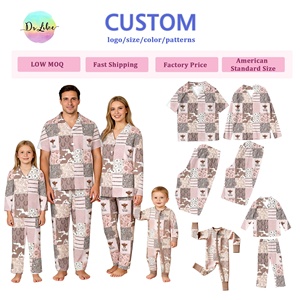
End-to-end OEM/ODM customization: customized neck labels, heat-transfer care tags, customized reactive rotary & digital printing, custom woven piping, faggoting, smocking, and branded biodegradable packaging.
Zero-Defect Quality Management System (QMS)
In-house physical and chemical laboratory testing for colorfastness to rubbing (Grade 4+), wash fastness, seam slippage, and metal detection. Operating under strict AQL 1.5 / 4.0 inspection standards before container shipment.
Frequently Asked Questions (FAQ) for B2B Bamboo Apparel Sourcing
Clear technical guidance on minimum order quantities, lead times, wash testing, and custom OEM manufacturing workflows.
Ready to Scale Your Private Label Bamboo Apparel Line?
Partner directly with an established China bamboo loungewear manufacturer. Contact our senior merchandising team today to request fabric swatches, technical cost breakdowns, and sample quotes.
Send an Inquiry