
Industrial Benchmark: OEM Custom Embroidery Garment Manufacturing
In the evolving landscape of global apparel procurement, Custom OEM Embroidery Garment Manufacturing represents the intersection of intricate textile artistry, high-throughput automation, and stringent social compliance. Today's international fashion brands, boutique retailers, and corporate buyers demand far more than basic stitching; they require full-spectrum engineering that integrates digitized embroidery files (DST/PES), thread-tension optimization, fabric stabilization, and flawless colorfastness.
As a senior apparel manufacturing authority with over 41 years of operational legacy in Dhaka, Bangladesh, our manufacturing infrastructure operates at the absolute peak of international technical standards. We provide complete Original Equipment Manufacturing (OEM) and Original Design Manufacturing (ODM) services, taking custom embroidered blouses, tops, dresses, and casual wear from preliminary CAD concepts to high-volume global delivery.
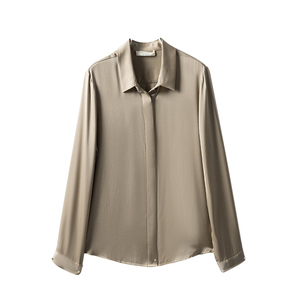
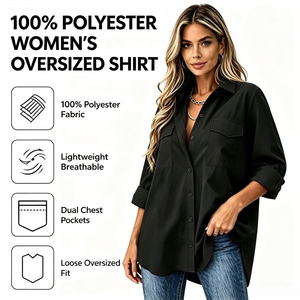
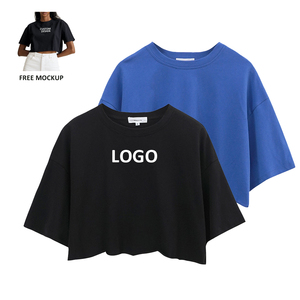
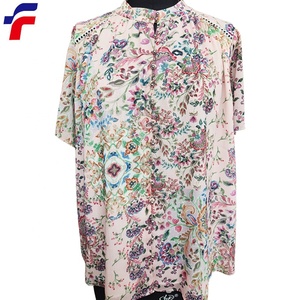
Featured OEM Custom Embroidery Garments Catalog
Explore our export-ready collection of custom embroidered, embellished, and light woven garments manufactured with high stitch-density control and premium fabric finishing:
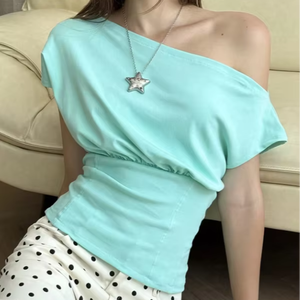
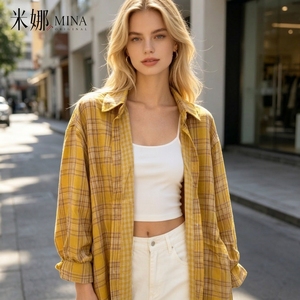
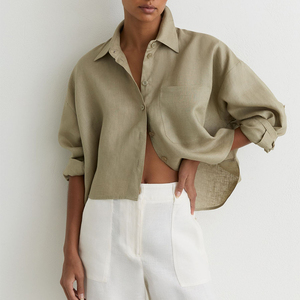
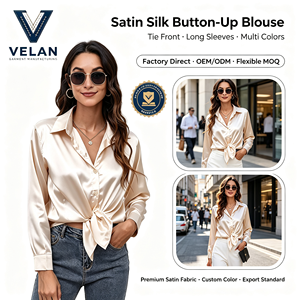
Enterprise Infrastructure & OEM Manufacturing Excellence
Established in 1984, our facility in the Tejgaon Industrial Area of Dhaka, Bangladesh, has evolved into a premier tier-1 manufacturing ecosystem. Spanning 12 state-of-the-art production lines, we combine century-old textile craftsmanship with automated embroidery and cutting technology. Our factory proudly maintains an 80% female workforce, actively supporting socio-economic development and ethical industrial growth.
Comprehensive Compliance
Fully certified by international auditing bodies including BSCI, SEDEX, SLCP, and recognized by BGMEA. We strictly enforce fair wages, workplace safety, environmental safety protocols, and zero child labor.
Advanced Value-Addition
Our production capabilities extend beyond conventional stitching. We specialize in intricate decorative embellishments including Faggoting, Smocking, Pin-Tucking, Shearing, Multi-Head Embroidery, Heat Pressing, and custom Garment Washing.
AQL 1.5 / 2.5 Quality Assurance
Operating under ERP-managed Quality Management Systems (QMS) and SOP standards, every batch undergoes multi-stage physical and chemical quality control checks to meet strict European and American import standards.
Technical Capabilities vs Standard Factory Benchmarks
| Manufacturing Parameter | Posh Garments OEM Standards | Conventional Industry Standard |
|---|---|---|
| Embroidery Stitch Speed | 1,000–1,200 RPM High-Speed Automated Multi-Head | 600–800 RPM Manual/Semi-Automated |
| Digitized Vector Precision | DST / PES 0.1mm Stitch Precision Engineering | Standard 0.5mm File Conversion |
| Backing & Stabilization | Water-Soluble PVA / Non-Woven Cutaway Backing | Generic Paper/Tearaway Backing (Puckering Risk) |
| Thread Specs & Colorfastness | Viscose Rayon / Recycled PET Threads (ISO 4-5 Fastness) | Standard Polyester Thread (ISO 3 Fastness) |
| Social & Environmental Audit | BSCI, SEDEX, SLCP Compliant & OEKO-TEX Fabrics | Basic Local Regulatory Compliance |
Engineering Principles in Custom Garment Embroidery
Achieving high-grade custom embroidery on delicate woven textiles (such as chiffon, silk, cotton poplin, and linen) requires precise balance between needle selection, thread tension, stitch density, and backing substrates. Without rigorous engineering, light fabrics suffer from structural distortion, puckering, and seam fraying during wash cycles.
1. Digitized Stitch Density Optimization (SPI)
Stitch Density defines the number of needle penetrations per square millimeter. Over-dense digitizing cuts woven fibers, while under-dense stitching exposes the backing material. Our digitizers calculate exact Stitch Per Inch (SPI) ratios based on fabric weight (GSM):
- Lightweight Chiffon/Silk (60–100 GSM): Low-density fill stitches (0.35mm spacing) with 65/9 ballpoint needles to prevent fiber breakage.
- Medium Woven Poplin/Linen (120–180 GSM): Standard satin and tatami stitches (0.40mm spacing) using size 75/11 sharp needles.
- Heavy Denim/Canvas (200+ GSM): High-density 3D puff embroidery with 90/14 titanium-coated needles for sharp relief effects.
2. Backing Substrate Mechanics
The backing material acts as the foundation during multi-head embroidery execution:
- Cutaway Backing: Essential for stretchy knitted fabrics and soft cotton blends to guarantee permanent stability throughout the garment's lifecycle.
- Tearaway Backing: Applied to stable woven fabrics where clean, back-side finishing is required for wearer comfort.
- Water-Soluble (PVA) Backing: Utilized for sheer fabrics and eyelet cutwork (Schiffli style), completely dissolving after washing to leave soft hand-feel embroidery.
Strategic Sourcing Trends for Global Garment Buyers
The global garment procurement paradigm is undergoing rapid transformation. B2B buyers, sourcing managers, and fashion conglomerates are shifting towards agile, sustainable, and technologically integrated manufacturing partners. Key trends redefining the OEM embroidery sector include:
01. Near-Zero Waste & Sustainable Threads
Modern fashion retailers prioritize eco-conscious materials. The adoption of 100% recycled polyester (rPET) embroidery threads derived from post-consumer plastic bottles and OEKO-TEX Standard 100 organic cotton fabrics is now a standard tender requirement in European markets.
02. Hybrid Embellishment Integration
Buyers are demanding multi-technique garments combining digital screen printing or sublimation with localized 3D puff embroidery, sequin placement, and hand smocking. This hybrid methodology increases perceived retail value while maintaining efficient production cycles.
03. Supply Chain Transparency & Digital Twins
Traceability platforms like Mapped in Bangladesh (MIB) and Foursource enable international buyers to audit factory floors, track raw material provenance, and verify environmental footprint metrics in real time before placing purchase orders.
Technological Innovations in Automated Embroidery Manufacturing
Modern industrial garment factories are replacing legacy manual techniques with computer-numerical-controlled (CNC) embroidery machinery integrated with optical computer vision systems. Key technological breakthroughs deployed across our facility include:
Optical Positioning Cameras
Automated camera positioning sensors scan fabric patterns in real-time, matching embroidery placement with printed graphics with sub-millimeter precision, eliminating human alignment error.
Automatic Thread Trimming & Tensioning
Dynamic thread-tension actuators dynamically adjust to fabric density variations during high-speed sewing, preventing loop formation, thread breakage, and bird-nesting on backing seams.
Laser Cutwork Integration
Co-axial laser cutters attached to multi-head embroidery frames execute instantaneous fabric burning for intricate lace, eyelet, and applique work without fraying thread edges.
Frequently Asked Questions (FAQ) for OEM Embroidery Sourcing
Here are expert answers to common technical and commercial queries raised by apparel procurement professionals, sourcing directors, and brand founders:
Our standard Minimum Order Quantity (MOQ) is 500 to 1,000 pieces per style/colorway depending on fabric complexity and stitch density. However, for specialized collections or boutique test orders, we offer flexible low-MOQ programs upon technical evaluation.
We accept artwork in vector formats (AI, EPS, PDF) or high-resolution imagery. Our in-house digitizing team converts designs into machine-readable DST, PES, or EXP files. We optimize stitch directions, underlay stitches, and density maps before creating a physical pre-production sample (PPS).
Sample development typically requires 7–10 working days upon receipt of tech packs and artwork. Bulk production lead time is 45–60 days following sample approval and lab dip confirmation, depending on raw material sourcing timelines.
We eliminate puckering by selecting specialized water-soluble or lightweight non-woven backing substrates, utilizing fine-gauge needles (65/9 or 70/10), calibrating low thread tension, and executing stabilizing underlay stitching before detail sewing.
Posh Garments Ltd. is fully audited and certified under BSCI, SEDEX (SMETA), and SLCP. Our operations adhere strictly to local labor laws and international ethical manufacturing standards, guaranteeing safe working conditions and fair wages.
Yes. We regularly source GOTS-certified organic cotton, OEKO-TEX certified linen, Tencel, viscose rayon, and 100% recycled polyester (rPET) embroidery threads with complete transaction certificates (TC) for full supply chain traceability.
We enforce an AQL 1.5 / 2.5 Quality Inspection protocol. Quality assurance checks occur across four mandatory gates: Raw Material Inspection (4-Point System), In-Line Sewing Checks, End-of-Line Embroidery Inspection, and Final Packing Audit.
Absolutely. We provide full OEM packaging services including woven brand labels, care labels with barcode data, custom printed swing tags, polybag packing, and export-grade master carton shipping compliant with retail warehouse specifications.
We primarily operate under FOB (Free on Board) Chittagong Port terms. However, we also support C&F, CIF, and DDP shipping configurations through our established global freight forwarding partners.
Click the "Inquire Now" button below or submit your detailed tech pack (including fabric composition, size specs, order volume, and artwork files) to our sales engineering team for a rapid cost breakdown within 24 hours.
Partner with Bangladesh's Premier OEM Embroidery Manufacturer
Transform your apparel designs into market-ready, high-value collections. Leverage our 41+ years of manufacturing experience, certified compliance, and advanced technical capabilities.
Inquire Now