
Featured OEM Wholesale Men's Sleepwear Series
Direct-from-factory men's sleepwear solutions engineered with bamboo cotton, breathable modal, premium fleece flannel, and luxury thermal satin. Optimized for global private label brands, department store procurement, and high-volume retail distributors.
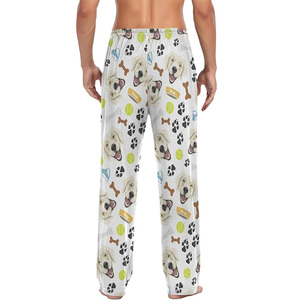
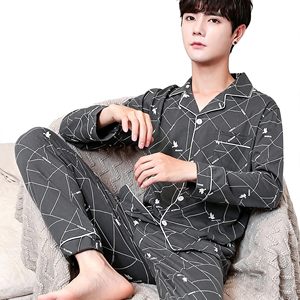
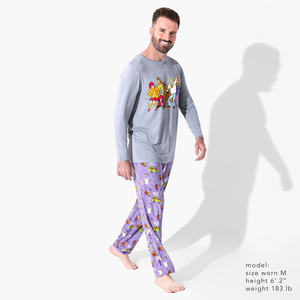
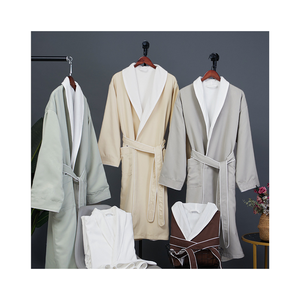
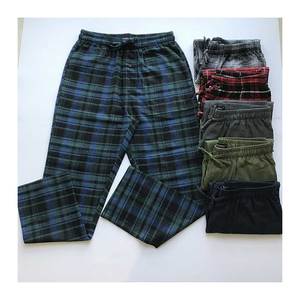
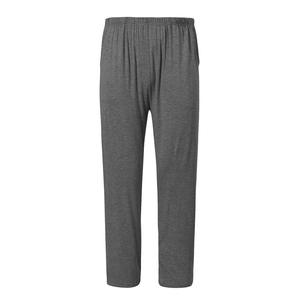
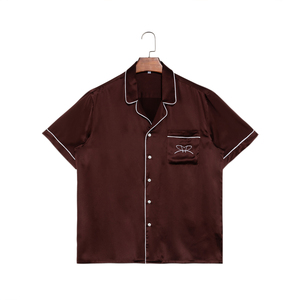
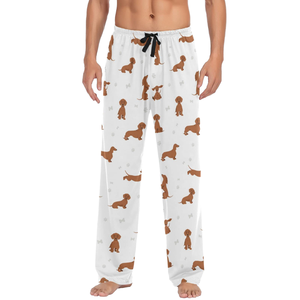
Executive Summary: The Evolution of OEM Men's Sleepwear Sourcing
In the contemporary B2B apparel landscape, the market for custom OEM wholesale men's sleepwear has undergone a structural paradigm shift. Driven by changing consumer demographics, remote work models, and an escalating emphasis on sleep hygiene, men's sleepwear is no longer treated as a low-margin commodity staple. Instead, global buyers, retail conglomerates, and direct-to-consumer (D2C) sleepwear brands demand high-performance fabrics, ergonomic construction, rigorous eco-compliance, and resilient supply chain transparency.
According to recent textile trade analytics, the global men's nightwear and loungewear sector is projected to expand at a compound annual growth rate (CAGR) exceeding 6.4% through 2030. This growth is heavily concentrated in high-value sub-categories such as bamboo-derived viscose, modal jersey blends, brushed organic flannel, and thermoregulating satin structures. Brands that rely on legacy procurement frameworks risk margin compression due to volatile raw material costs and stringent international ESG (Environmental, Social, and Governance) mandates.
Strategic Information Gain Insight: Modern apparel procurement directors are shifting from pure unit-cost evaluation to Total Cost of Sourcing (TCS). Factors such as fabric colorfastness metrics, seam slippage resistance, automated CAD marker pattern efficiency, and audit-ready compliance credentials (BSCI, SEDEX, SLCP) now directly dictate brand valuation and retail margin retention.
Material Science & Fabric Engineering Matrix
Choosing the correct fabric substrate is the single most decisive factor in determining garment drape, skin microclimate regulation, durability, and commercial price positioning.
| Fabric Classification | Composition & Construction | GSM Weight Range | Key Technical Attributes | Primary Target Market |
|---|---|---|---|---|
| Bamboo Cotton Jersey | 70% Bamboo Viscose / 30% Combed Cotton | 170 - 210 GSM | Naturally antibacterial, moisture-wicking, bio-degradable, ultra-soft handfeel. | Luxury Organic Brands & Eco-Wellness Retailers |
| Micro-Modal Stretch | 95% Lenzing Modal / 5% Spandex Elastane | 160 - 190 GSM | 4-way stretch recovery, zero pilling rating (Grade 4-5), silky drape, shape retention. | Premium Athleisure & Modern D2C Loungewear |
| Yarn-Dyed Brushed Flannel | 100% Ring-Spun Cotton (Double Brushed) | 140 - 185 GSM | High thermal insulation, soft surface fuzz, reinforced tear resistance, classic plaid weaves. | Autumn/Winter Retail Collections & Heritage Brands |
| Cooling Thermal Satin | 100% Micro-Polyester / Silk-Like Weave | 90 - 120 GSM | High luster, low friction against skin, rapid heat dissipation, wrinkle-free execution. | Boutique Resort Wear & High-End Pyjamas |
| Lightweight Woven Poplin | 60s/1 x 60s/1 Fine Count Woven Cotton | 110 - 130 GSM | Crisp structural integrity, high breathability, ideal for piping detaling and tailored fits. | Traditional Gentleman’s Sleepwear & Hospitality |
Custom OEM/ODM Manufacturing & Precision Craftsmanship
Our state-of-the-art manufacturing ecosystem in Dhaka, Bangladesh integrates over 41 years of operational heritage with modern Industrial Engineering (IE) and Quality Management Systems (QMS).
Specialized Craftsmanship Tech
Advanced in-house capabilities including faggoting, intricate smocking, pin-tucking, elastic gathering, shearing, custom print sublimations, high-density embroidery, and heat-press transfers engineered to custom tech pack specifications.
Rigorous QMS & AQL 2.5 Protocols
Every garment undergoes stringent physical and chemical evaluation, including colorfastness to rubbing/washing (ISO 105 standard), dimensional stability, seam strength, and needle detector screening, maintaining strict AQL 2.5 inspection benchmarks.
Triple Social Compliance Audits
Fully compliant manufacturing infrastructure certified under international governing bodies: BSCI, SEDEX (SMETA), and SLCP (Social & Labor Convergence Program). Empowering a workforce of 1,200+ employees with 80% female representation.
Pattern Engineering & CAD Layout
Automated Optitex / Lectra CAD systems optimize marker efficiency to achieve zero-waste fabric consumption goals, significantly reducing yield costs while ensuring absolute size specification consistency across XS to 5XL runs.
End-to-End Export Logistics
Complete FOB, CIF, and DDP export management servicing 30+ countries across North America, Europe, Australia, and Asia. Integrated SAP ERP tracks order progression from lab dips and pre-production samples (PPS) to final container packing.
Eco-Friendly SDG 2030 Initiatives
Committed to UN Sustainable Development Goals: utilizes GRS-certified recycled polyester yarns, low-impact azo-free organic dyes, closed-loop water treatment facilities, and comprehensive garment scrap upcycling initiatives.
Future Procurement Trends in Men's Sleepwear Sourcing
Strategic buyers evaluating factory partnerships for the next 3-5 years must align their supply chain architecture with major macro-trends shaping global consumer retail:
1. The Rise of "Hybrid Sleepwear-Loungewear" Constructs: Modern male consumers expect sleepwear to transition seamlessly from bedroom relaxation to home-office environments. This trend necessitates structured drawstrings, deep utility side-pockets, mock-fly detailing, and non-sheer GSM weights (minimum 180 GSM for knit jersey and 120 GSM for woven poplin).
2. Bio-Based and Regenerative Fiber Dominance: Traditional 100% synthetic polyesters are experiencing declining buyer pull due to micro-plastic concerns and European Union eco-design regulations. Procurement volume is aggressively migrating toward modal, tencel lyocell, bamboo viscose, and organic GOTS-certified cotton. Factories with established organic yarn mill connections offer superior supply chain resilience.
3. Low-MOQ Agility & Rapid Re-Order Cycles: Inventory holding risk has compelled brands to adopt lean sourcing models. Leading OEM exporters in Bangladesh have modernized line configurations—offering modular sewing lines capable of executing smaller initial orders (e.g., 800 to 1,500 pieces per style) with fast-track 14-day re-order fulfillment windows.
B2B Procurement FAQ: OEM Wholesale Men's Sleepwear
Clear, authoritative technical answers addressing common buyer inquiries regarding OEM manufacturing processes, lab dips, quality control, and minimum order terms.