
Executive Summary & Sourcing Intelligence
Navigating the complex landscape of global OEM (Original Equipment Manufacturer) and ODM (Original Design Manufacturer) apparel sourcing requires a rigorous evaluation of factory capacity, compliance certifications, lead times, and specialized technical execution. This whitepaper provides procurement directors, wholesale buyers, and fashion brand managers with an empirical analysis of top ODM garment exporters. Based on operational data from Bangladesh’s premier apparel hub—featuring 41+ years of manufacturing legacy—this report evaluates key performance metrics across woven ladieswear, menswear, kidswear, and technical workwear.
Featured ODM Apparel Product Recommendations
Direct factory-sourced export garments engineered for global retail chains, private labels, and high-volume fashion distributors.

Women's One Shoulder Top Ruched Waist Asymmetric Short Sleeve Slim Fit Casual Blouse Wholesale Custom
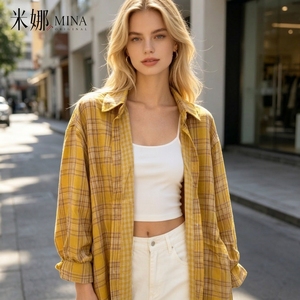
Wholesale Women's Plaid Blouse Casual Long Sleeve Button up Shirt Loose Fit Checkered Tops for Boutique
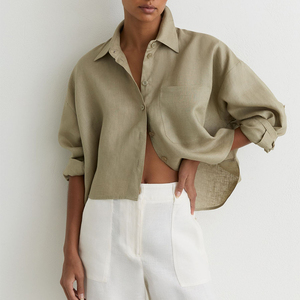
Wholesale Summer Blouse Loose Shirts Casual Fashion Women's Khaki Cropped Drop Shoulder 100% Linen Long Sleeve Button Down Shirt
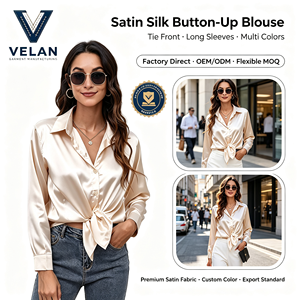
VELAN Wholesale Dressy Plain French Women's Blouse Elegant Button Down Silk Long Sleeve Women's Shirt
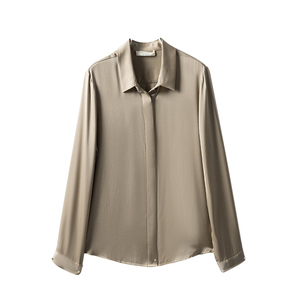
Wholesale Fashion Female Elegant Printed Shirt Chiffon Loose Long Sleeve Blouse Ladies' Office Blouses Women's Blouses & Shirts
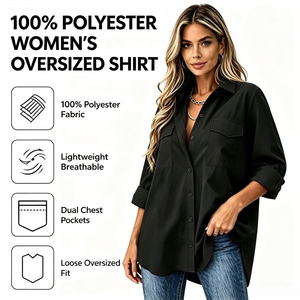
Factory Direct Supply Women Oversized Shirt Lightweight Breathable Blouse Dual Chest Pockets Design Custom Fabric ColorAvailable
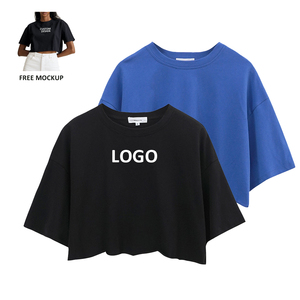
Wholesale 2026 Summer Cotton Short Sleeve Round Neck T-shirts Custom Gym Loose Fit Casual Blouse Womens Crop Tops
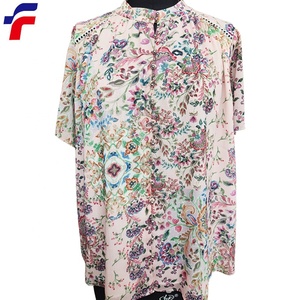
Hot Sell OEM ODM Wholesale Fashion Spring Summer Women's pink Floral Print Blouse
Critical Criteria for Evaluating Top ODM Apparel Manufacturers
Enterprise buyers must evaluate apparel suppliers beyond unit price. True manufacturing excellence lies in structural technical competency and governance.
1. CAD Pattern & 3D Prototyping
Top-tier ODM factories utilize advanced Gerber or Lectra CAD systems alongside 3D sampling (CLO3D). This drastically reduces physical sample iterations from 4 weeks down to 72 hours, ensuring rapid market alignment.
2. International Compliance Standards
Verification through audited certifications including BSCI, SEDEX (SMETA), and SLCP (Social & Labor Convergence Program) is non-negotiable for mitigating global brand reputation risks.
3. Specialized Value Addition
Elite woven manufacturers demonstrate proficiency in delicate artisanal details such as faggoting, pin tucking, smocking, shearing, heat-press bonding, and customized enzyme washes.
Global Sourcing Region Benchmark Comparison
An empirical analysis comparing major ODM export hubs across key operational dimensions.
| Manufacturing Hub | Labor Competitiveness | Duty Advantages (EU / US) | Woven Craftsmanship | Compliance Maturity | Avg. FOB Lead Time |
|---|---|---|---|---|---|
| Bangladesh (Tejgaon / Dhaka) | High (Optimal) | GSP / EBA (Duty-Free EU/UK) | Exceptional (Woven Focus) | BSCI / SEDEX / Accord Approved | 60 - 75 Days |
| Vietnam | Moderate | EVFTA (EU Duty-Free) | High (Synthetic / Sportswear) | High Compliance Level | 65 - 80 Days |
| China (Guangdong / Zhejiang) | Low (Rising Labor Costs) | Subject to Tariffs | Full Spectrum Versatility | Variable Factory Audits | 45 - 60 Days |
| India (Tirupur / Noida) | Moderate | Standard Tariff Rates | High (Organic Cotton / Embellished) | Moderate to High | 70 - 90 Days |
Case Study: Manufacturing Excellence at Posh Garments Ltd.
Founded in 1984, Posh Garments Ltd. represents the apex of Bangladesh’s high-precision apparel manufacturing export sector. Operating out of the Tejgaon Industrial Area in Dhaka, the enterprise has evolved over 41 years into a premier ODM/OEM vendor for top global retail conglomerates including C&A, GUESS, Adler, LC Waikiki, GÉMO, Jack Wills, Devre, and Falabella.
Operational Scalability
Houses 12 modern sewing lines operated by over 1,200 skilled workers (80% female workforce empowerment), backed by integrated ERP and Industrial Engineering (IE) workflow optimization.
Rigorous Quality Assurance (QMS)
Implements strict AQL 1.5 / 2.5 inspection standards across raw fabric receipt, inline sewing, needle detection, and final packing to eliminate defects prior to port departure.
UN SDG 2030 & Sustainability
Pioneering eco-friendly production with recycled polyester fabrics, organic linen sourcing, and full textile waste recycling, recognized by BGMEA for green manufacturing leadership.
Future Apparel Procurement Trends & Sourcing Outlook
Macro trends reshaping the global supply chain landscape for garment buyers and apparel brands.
1. EU Digital Product Passports (DPP)
By 2027, mandatory European legislative frameworks will require comprehensive supply chain traceability from raw fiber origin to garment end-of-life. Factories with automated ERP and transparent supply mapping will dominate the market.
2. Shift to Circular & Low-GSM Natural Linens
Post-2025 consumer demand heavily favors ultra-breathable 100% linen, organic cotton blends, and recycled synthetic fibers. ODM suppliers capable of maintaining low shrinkage in lightweight woven fabrics hold a structural competitive edge.
3. Agility & Small-Batch Order Flexibility
To minimize unsold inventory risks, modern buyers favor ODM partners who offer flexible MOQs (300 to 600 pcs per style) without imposing punitive unit cost markups. Modular sewing line setups make this operational transition possible.
Frequently Asked Questions (FAQ) for Apparel Sourcing
Expert guidance for procurement officers and sourcing managers evaluating OEM/ODM factory partnerships.
What is the primary difference between OEM and ODM apparel manufacturing?
OEM (Original Equipment Manufacturer) requires the buyer to supply complete technical packs, patterns, and fabric specifications for the factory to assemble. ODM (Original Design Manufacturer) provides full-service solutions where the factory develops original styles, sources raw materials, creates patterns, and offers ready-to-label collections tailored to the buyer's brand aesthetics.
What are the standard Minimum Order Quantities (MOQs) for custom ODM woven garments?
Standard factory MOQs for woven apparel (such as blouses, shirts, dresses, and uniforms) typically range between 500 and 800 pieces per style/colorway. For premium fabrics like 100% silk or technical recycled blends, trial orders can often be negotiated at 300 pieces depending on fabric availability.
How long does sample prototyping and mass production take?
Initial fit samples and lab dips require 7 to 14 days following receipt of technical specifications. Once pre-production samples (PPS) are approved and raw materials are delivered, mass production lead time is generally 60 to 75 days, depending on shipping incoterms (FOB or CIF).
Which social compliance audits are essential when importing from Bangladesh?
Global importers should verify that target factories maintain active audits under BSCI (Business Social Compliance Initiative), SEDEX (SMETA 4-Pillar), and SLCP (Social & Labor Convergence Program). Facilities adhering to the International Accord for Health and Safety offer the highest degree of structural safety assurance.
Can Bangladesh factories handle complex value-added stitching features?
Yes. Leading factories such as Posh Garments specialize in intricate woven embellishments including faggoting, pin tucking, smocking, drop-shoulder construction, asymmetric seam alignment, and custom garment washes without compromising structural durability.
Initiate Your Custom Garment OEM/ODM Project Today
Connect directly with our senior merchandising team to request sample prototypes, review fabric swatches, or receive factory-direct FOB pricing tailored to your technical requirements.