
Verified High-Performance Custom Garment Printing Products
Explore our benchmark custom printing, Direct-to-Film (DTF), plastisol heat transfers, high-density embroidery, and OEM manufacturing solutions designed for wholesale buyers and international apparel brands.

Custom T Shirts with Logo Front and Back Print High Quality Embroidery for Men Streetwear
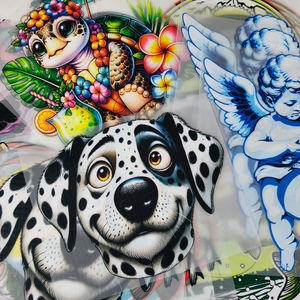
Custom Vinyl Transfers Heat Transfer for Logo Professional Premium Apparel Garment Branding Decoration Printing Service Uniform
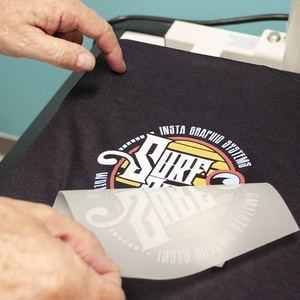
Digital Printing for Clothes Garment Bulk Vinyl Dtf Tshirt DTF Print Transfer Sublimation Custom Heat Transfer Printed
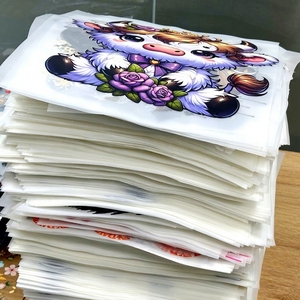
Factory Price Custom Clothing Transfers Heat T-Shirts Print Ready Press Washable PET Plastisol All Designs Transfer Printing
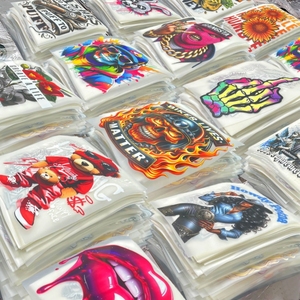
Cartoon Bear Clothing Design Custom Logo Iron Transfers Service Digital for DTF Diy Transfer T-Shirt Heat Press Sheet Printed
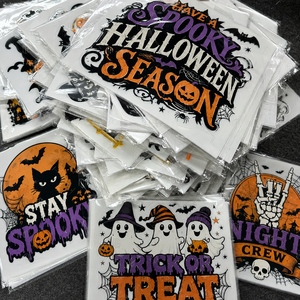
Customizable DIY Logo Plastisol Heat Transfer Shirts Factory Supplied Screen Printing Technique Digital Printing Service
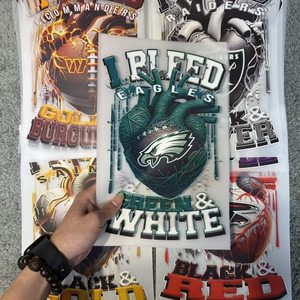
High-quality Customization Team Garment Plastisol Washable Heat Transfer Iron-On Printing Services for T-Shirts and Packaging
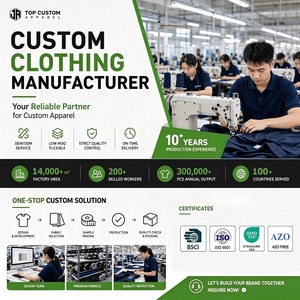
BSCI ISO9001 Certified Private Label Clothing Manufacturer OEM ODM Custom Apparel Factory
41+ Years of Manufacturing Excellence & Compliance
Why leading global apparel brands, corporate uniform specifiers, and fast-fashion retailers choose our integrated manufacturing ecosystem in Dhaka, Bangladesh.
International Certifications
Our production facilities operate under strict international social and quality standards, certified by BSCI, ISO9001, SEDEX, and SLCP. We ensure complete transparency and fair labor practices across all 12 production lines.
Advanced Craftsmanship
Specializing in complex garment decoration techniques including faggoting, smocking, pin tuck, shearing, 3D logo embroidery, PET plastisol transfers, and wet/dry industrial washings for premium surface aesthetics.
ERP & QMS Workflow
Driven by real-time Enterprise Resource Planning (ERP) and Industrial Engineering (IE) methodologies, our quality management framework enforces AQL 2.5 Major / 4.0 Minor inspection standards with 99.4% on-time delivery.
Technical Comparison Matrix: Custom Garment Printing Technologies
Selecting the optimal printing technology requires aligning design complexity, fabric composition, order volume, and wash durability parameters.
| Printing Technology | Ideal Fabric Composition | Color Vibrancy & Detail | Wash Durability Cycle | Transfer Temp / Pressure | Optimal Order Volume |
|---|---|---|---|---|---|
| Direct-to-Film (DTF) | 100% Cotton, Poly-Blends, Canvas | Photo-realistic (1440 DPI) | 50+ ISO Wash Cycles | 150°C - 160°C (12-15 sec) | Low to High (Flexible) |
| PET Plastisol Transfers | Cotton, Polyester, Blends | High Opacity, Solid Colors | 60+ ISO Wash Cycles | 160°C - 170°C (10-12 sec) | Medium to Bulk (500+ pcs) |
| Automatic Screen Printing | 100% Cotton, Fleece, Heavyweight Woven | Pantone Accurate (Spot Colors) | 100+ ISO Wash Cycles | Cured at 160°C Conveyor | High Volume (1,000+ pcs) |
| Sublimation Transfer | 100% Polyester, Microfiber | Continuous Tone (Infused Ink) | Permanent (No Fading) | 190°C - 200°C (25-30 sec) | Medium to High Volume |
| Custom Logo Embroidery | Heavyweight Cotton, Twill, Denim, Polo | 3D Textured Stitching | Permanent (Lifetime) | N/A (Mechanical Stitch) | Low to High Volume |
Information Gain: Engineering Considerations for B2B Sourcing Directors
When evaluating a Top Trusted Custom Garment Printing Services Supplier, technical buyers must analyze the chemical interaction between ink formulations and fabric weave structures. Traditional screen printing utilizes PVC or acrylic-based plastisol inks that form a mechanical film over top of yarn intersections. While offering exceptional opacity on dark substrates, it reduces garment breathability. Conversely, modern Direct-to-Film (DTF) systems employ polyurethane powdered adhesives (TPU) fused with aqueous pigment inks. This creates a flexible polymer matrix with an ultra-thin hand feel under 60 microns, making it exceptionally resilient against mechanical stress during standard commercial laundering.
Furthermore, color fastness testing—governed by ISO 105-C06 (Color fastness to domestic and commercial laundering) and ISO 105-X12 (Color fastness to rubbing)—serves as the primary quality benchmark for global apparel retailers. A reputable supplier must guarantee a minimum gray scale rating of Grade 4 for color change and Grade 3-4 for cross-staining across both wet and dry rub evaluations.
Future Sourcing & Technology Trends in Custom Garment Printing
Anticipating regulatory changes, eco-compliance mandates, and digital supply chain transformation across global textile procurement.
1. Transition to Eco-Friendly & Water-Based Ink Chemistries
Global environmental regulations, such as REACH in Europe and Proposition 65 in California, are accelerating the phase-out of phthalate-containing plastisol inks. Procurement teams are mandating OEKO-TEX Standard 100 Class I certified water-based inks and zero-VOC (Volatile Organic Compounds) digital pigments. These non-toxic chemistries ensure safety for infantwear and sensitive skin while dramatically reducing wastewater toxicity during factory cleaning cycles.
2. On-Demand Micro-Batch Sourcing & Rapid Prototyping
To mitigate inventory risk caused by volatile fashion trends, international buyers are shifting from traditional 10,000-unit bulk orders toward agile, micro-batch runs of 200 to 500 units per graphic SKU. High-speed industrial DTF and hybrid digital printing systems allow manufacturers to supply sample prototypes within 72 hours, enabling brands to test market demand before committing to full-scale production runs.
3. Hybrid Screen-Digital Printing Systems
Combining the cost efficiency of automated screen printing underbases with the infinite color gamut of high-resolution digital printheads represents the pinnacle of modern garment decoration. This hybrid architecture drastically reduces ink consumption, eliminates expensive screen setups for complex gradient graphics, and delivers crisp, vibrant prints at speeds exceeding 400 garments per hour.
4. Sustainable Material Integration & Circularity
Leading garment suppliers are integrating recycled polyester (rPET) made from post-consumer plastic bottles and Organic Content Standard (OCS) certified cotton into their printable blanks. When combined with recyclable PET transfer film backing sheets and biodegradable packaging films, buyers achieve a fully circular supply chain footprint aligned with UN SDG 2030 climate action goals.
B2B Vendor Evaluation & Quality Control Protocol
A step-by-step checklist for sourcing managers to audit custom garment printing manufacturers before issuing Purchase Orders (POs).
Phase 1: Pre-Production Artwork & Color Proofing
Require vector files in AI, EPS, or high-resolution PDF (minimum 300 DPI at 1:1 scale). Ensure the factory utilizes calibrated X-Rite Spectrophotometers to verify Pantone (PMS) color match values within a Delta-E tolerance of less than 1.5.
Phase 2: In-Line Thermal Fusing Audits
During heat transfer application, temperature accuracy across pneumatic heat presses must be calibrated daily using digital surface pyrometers. Dwell times (12-15s) and pneumatic pressure settings (4-6 bar) must be logged per production shift to prevent transfer peeling.
Phase 3: AQL Final Random Inspection
Conducted strictly according to ISO 2859-1 standards. Qualified QC inspectors evaluate print alignment, surface pinholes, cracking under stretch, shade variation, thread tails, and garment measurements before issuing final shipping release clearance.
Frequently Asked Questions (FAQ) for Garment Sourcing
Expert responses to critical procurement questions regarding custom garment printing, lead times, MOQs, and technical standards.
Ready to Upgrade Your Custom Garment Sourcing Strategy?
Partner with a trusted, certified apparel manufacturer in Bangladesh backed by 41+ years of expertise, 12 production lines, and uncompromising compliance. Connect directly with our engineering sales team for rapid quotes and sample development.