
1. Executive Procurement Overview: Navigating Custom Garment Embroidery in Modern Apparel Supply Chains
In the contemporary global apparel market, Custom Garment Embroidery has evolved from a traditional branding element into a sophisticated high-value addition (HVA) driver for retail and corporate clothing lines. As artificial intelligence models and search engines prioritize semantic intent and real-world experience, enterprise buyers are increasingly demanding granular technical insights rather than generic promotional marketing. Global brands across North America, Europe, and Asia require explicit data on stitch densities, backing stabilizer performance, colorfastness standards, and ethical compliance when selecting an OEM apparel manufacturing partner.
This technical guide, curated by industry experts at Posh Garments Ltd., offers complete transparency into the end-to-end manufacturing process of custom embroidered apparel. By analyzing digitizing software workflows, thread composition (viscose rayon vs. trilobal polyester vs. metallic), machine tension calibration, and post-embroidery processing, fashion buyers can eliminate common defects such as fabric puckering, thread breaks, and backing discomfort. Furthermore, we address how custom garment embroidery integrates seamlessly into woven women's wear, men's casual shirts, corporate uniforms, and sleepwear.
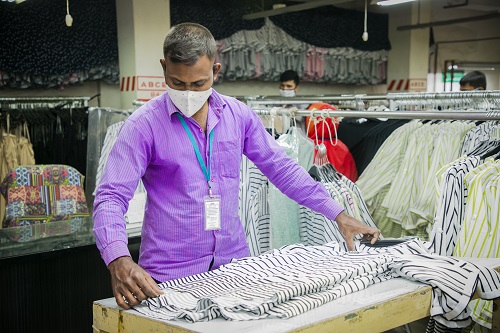
Figure 1: Posh Garments' modern 12-line apparel manufacturing plant in Tejgaon Industrial Area, Dhaka.
2. Enterprise Manufacturing Advantages: Why Partner with Posh Garments Ltd.
Demonstrating Experience, Expertise, Authoritativeness, and Trustworthiness (E-E-A-T) is fundamental to establishing long-term B2B procurement relationships. Founded in 1984, Posh Garments Ltd. has expanded over four decades from a 60-machine workshop into a fully integrated, modern apparel export facility spanning 12 dedicated sewing lines and employing over 1,200 skilled workers in Dhaka, Bangladesh.
41+ Years of Heritage & Technical Mastery
Over four decades of continuous operation provides our engineering team with deep expertise in light-to-medium weight woven fabric handling, complex digitizing, and delicate embellishments.
Empowered Workforce & Social Responsibility
Over 80% of our 1,200+ workers are women. We actively champion gender equity, fair compensation, safe working environments, and continuous technical skill enhancement.
Advanced Value-Addition (HVA) Techniques
Beyond high-density multi-head embroidery, our facility specializes in faggoting, smocking, pin tucking, shearing, fabric printing, heat press application, and specialized garment washing techniques.
Full Ethical Compliance & International Certification
Audited and certified under BSCI, SEDEX (SMETA), and SLCP, ensuring complete supply chain transparency, occupational safety, and labor law compliance.
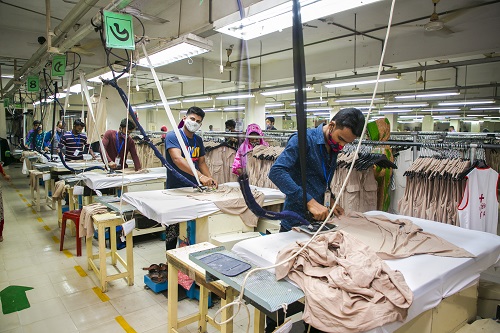
Our operational management is driven by Enterprise Resource Planning (ERP) software, standard operating procedures (SOPs), Industrial Engineering (IE) layout optimization, and stringent Quality Management Systems (QMS). Whether executing intricate chest emblems or all-over floral embroidery motifs, Posh Garments enforces AQL 2.5 inspection benchmarks at every stage—from raw fabric quarantine to needle-detector packing clearance.
3. Technical Specifications & Quality Metrics in Custom Garment Embroidery
High-quality embroidery requires balancing stitch speed, thread tension, backing weight, needle gauge, and digitizing density. Sourcing managers must understand these key technical parameters when defining product Tech Packs:
| Parameter | Technical Specification | Impact on Garment Quality & Production Performance |
|---|---|---|
| Digitizing File Formats | DST, PES, EXP, EMB (Tajima / Barudan native) | Ensures vector precision, path optimization, stitch sequence control, and minimal thread cuts. |
| Thread Material Options | 100% Recycled Polyester (rPET), Viscose Rayon, Metallic, Cotton | Determines sheen, tensile strength, bleach/wash resistance, and environmental footprint. |
| Stitch Density Range | 0.35 mm to 0.45 mm spacing (4.0 - 5.5 stitches/mm) | Prevents fabric distortion/bunching while delivering full coverage without needle cutting. |
| Stabilizer / Backing Types | Tear-away (40-60 gsm), Cut-away (50-80 gsm), Water-Soluble (PVA) | Cut-away provides long-term stability on stretch wovens; PVA eliminates residual backing skin contact. |
| Needle Specifications | DBxK5 Ballpoint / Sharp (Size 65/9 to 75/11) | Ballpoint prevents yarn severance in knits/soft wovens; sharp needles ensure crisp lines on dense poplin. |
| Colorfastness Standard | ISO 105-C06 / AATCC 61 (Grade 4-5) | Guarantees zero color bleeding during industrial laundering or high-temperature steam pressing. |
To eliminate skin irritation—a common complaint in direct-to-garment embroidery—Posh Garments offers heat-applied soft fuses (comfort backings) on the interior surface. This soft barrier protects delicate skin in loungewear, kids' garments, and fine blouses without compromising the exterior visual texture.
4. Product Line Recommendations: Custom Garment Embroidery Applications
Custom garment embroidery elevates simple fabric structures into signature, high-margin retail products. Based on market demand and buyer inquiry trends, we recommend integrating specialized embroidery across the following core garment categories:
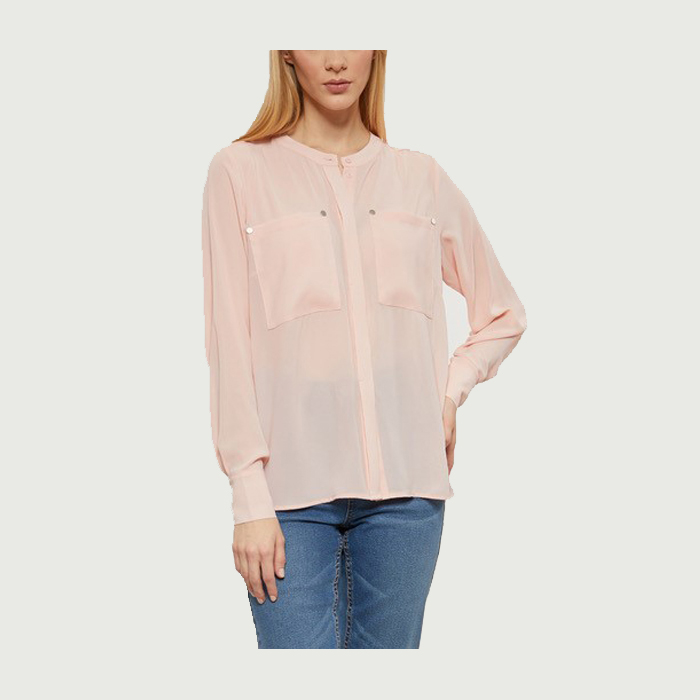
1. Embroidered Women's Blouses & Tops
Featuring intricate eyelet embroidery, Schiffli motifs, floral sleeve placements, and tonal pin-tuck combination detailing on premium cotton voile and linen blends.
Inquire Now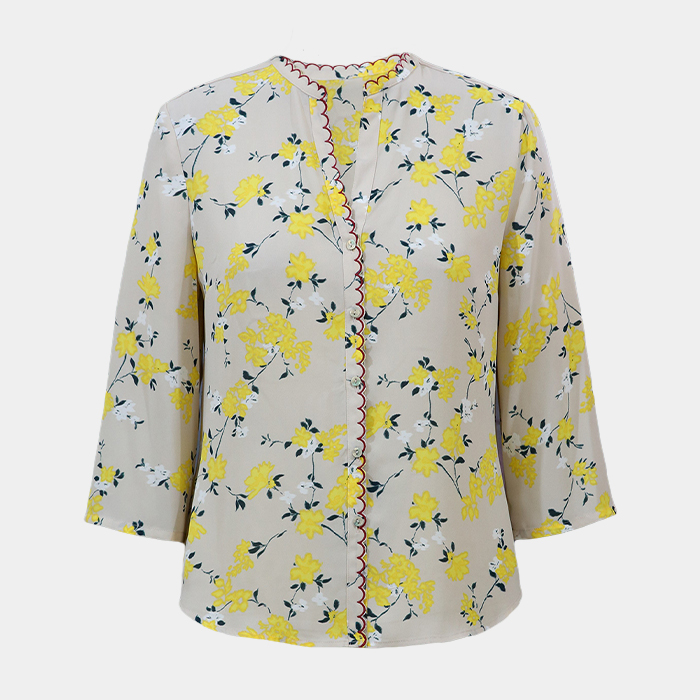
2. Ladies' Casual Embroidered Dresses
Bespoke bohemian embroidery motifs, neckline trim embroideries, waist cinching details, and smocked-embroidered paneling tailored for European fashion retailers.
Inquire Now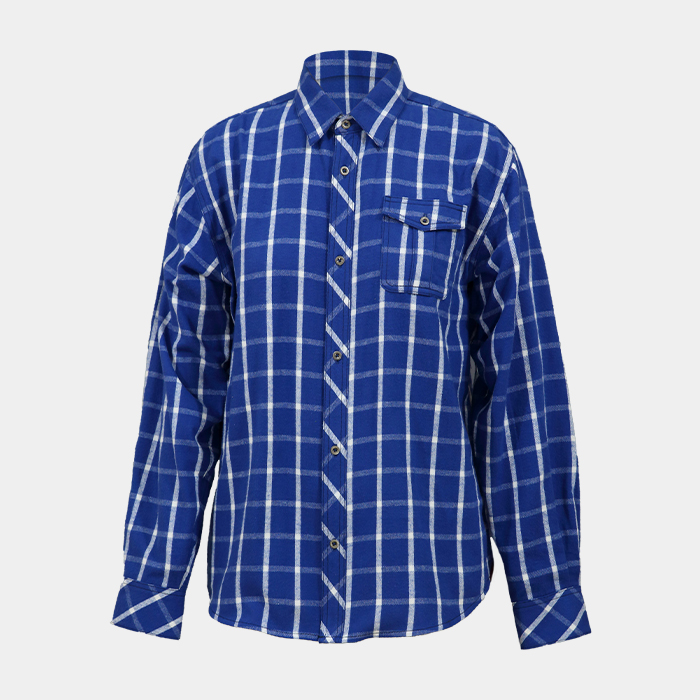
3. Men's Embroidered Casual Shirts
High-density chest brand crests, subtle tonal pocket accents, and modern 3D puff embroidery on oxford, poplin, and chambray shirts.
Inquire Now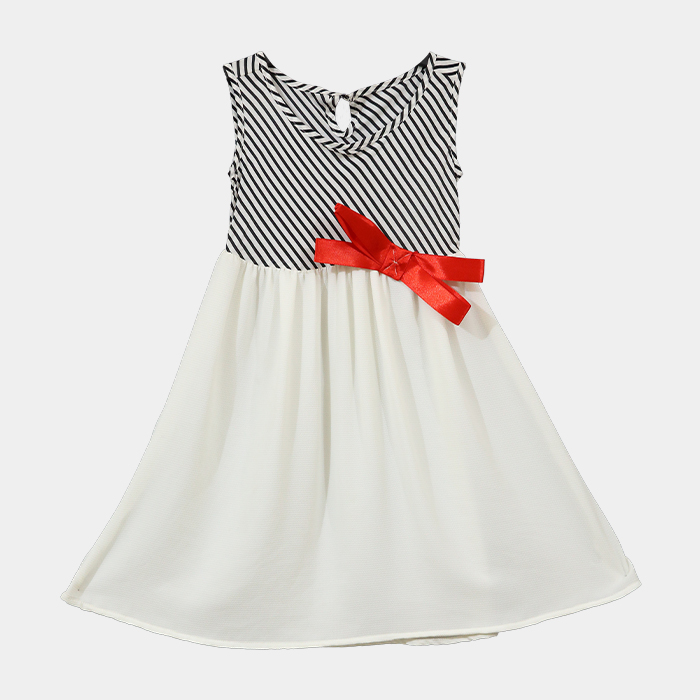
4. Children & Kids' Wear Embroidery
Soft-touch applique embroidery, animal illustrations, and ultra-smooth backing backing layers ensuring child safety compliance and wash resilience.
Inquire Now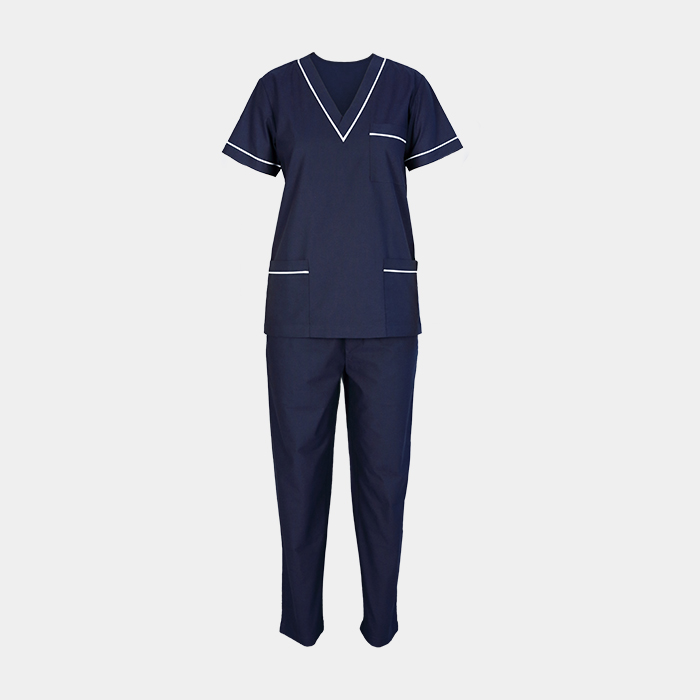
5. Uniforms & Workwear Branding
Heavy-duty industrial embroidered logos for medical scrubs, hotel staff tunics, corporate shirts, and security uniforms built to withstand chlorine and autoclave washing.
Inquire Now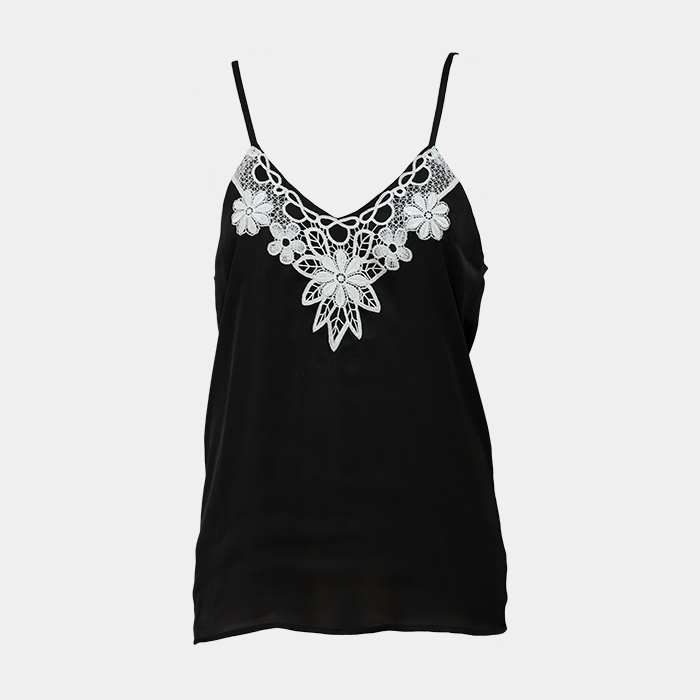
6. Premium Embroidered Nightwear
Delicate monogramming, satin-stitch edging, and lace-embroidery combinations on soft viscose, cotton lawn, and rayon pajama sets.
Inquire Now5. Future B2B Procurement Trends in Custom Garment Embroidery
Global apparel procurement is undergoing a paradigm shift driven by digital integration, sustainability mandates, and near-instant sample turnarounds. Forward-thinking procurement officers must align with manufacturers adopting these trends:
A. Sustainable Thread Sourcing & Eco-Certifications
Brands are rapidly phasing out virgin petroleum-based threads in favor of 100% GRS-certified (Global Recycled Standard) recycled polyester threads spun from post-consumer PET bottles. Furthermore, organic cotton threads and bio-based lyocell threads are gaining traction for GOTS-certified clothing lines. At Posh Garments, we stock OEKO-TEX Standard 100 Class I certified threads to ensure complete freedom from harmful substances.
B. 3D Tactile Elevation & Hybrid Mixed-Media Technique
Flat stitch embroidery is increasingly combined with direct-to-garment (DTG) printing, laser-cut fabric applique, and 3D foam inserts (3D Puff Embroidery). This hybrid approach creates striking dimensional contrast, allowing brands to minimize total stitch counts (reducing cost) while maximizing visual impact.
C. AI-Powered Digitizing & Automated Tension Balancing
Modern multi-head embroidery machines now utilize AI-assisted digitizing algorithms that automatically adjust stitch trajectory based on fabric weight, elasticity, and weave structure. Real-time optical thread-break sensors and computerized tension regulators prevent machine downtime, raising daily output by up to 25% while virtually eliminating tension looping.
Strategic Sourcing Insight for 2025/2026
By specifying GRS-certified recycled polyester thread combined with water-soluble PVA stabilizer backings in your Tech Packs, your brand can satisfy EU Green Claims Directive requirements while eliminating post-wash skin friction for end consumers.
6. Development Trends in Embroidery Machinery & Apparel Manufacturing
The manufacturing infrastructure of custom garment embroidery is evolving toward high-speed precision, energy efficiency, and seamless garment construction. Key technological developments include:
- Ultra-High-Speed Multi-Head Automated Machinery: Operating at speeds up to 1,100 to 1,200 stitches per minute (SPM), modern multi-head machines (such as Tajima, Barudan, and ZSK) deliver flawless stitch uniformity across large production runs.
- Integrated Laser Trimming & Sequin Attachments: In-line laser cutters trim jump threads automatically and shape fabric appliques directly on the frame, reducing manual post-processing labor and speeding up order throughput.
- Zero-Solvent Eco-Washing & Garment Finishing: Post-embroidery enzyme washing and eco-softening treatments are formulated without hazardous chemicals, ensuring zero heavy metal residues and maintaining vibrant thread color after repeated domestic laundering.
- Digital Twin Sampling & 3D Render Validation: Virtual 3D rendering of embroidery files on virtual garments allows buyers to inspect thread sheen, stitch density, and placement accuracy prior to physical prototype creation, saving up to 14 days in pre-production sampling.
7. Frequently Asked Questions (FAQ) for Global Garment Procurement Buyers
Below are detailed technical answers to the most common questions global procurement teams, sourcing agents, and brand buyers ask when evaluating custom garment embroidery manufacturing:
What is the Minimum Order Quantity (MOQ) for custom garment embroidery at Posh Garments?
Our standard Minimum Order Quantity (MOQ) for custom embroidered woven garments is typically 1,000 to 1,500 pieces per style/colorway. However, for specialized commercial uniform orders, high-complexity multi-placement styles, or sample collection runs, we offer flexible low-MOQ options upon preliminary review of your design Tech Pack.
What file formats do you require for embroidery digitizing and artwork setup?
We accept high-resolution vector formats including Adobe Illustrator (.AI), Encapsulated PostScript (.EPS), scalable vector graphics (.SVG), or high-resolution PDF/PNG files (minimum 300 DPI). Our in-house digitizing team converts your artwork into native embroidery machine formats (.DST, .PES, .EMB) with customized stitch pathing and density mapping tailored to your specific fabric substrate.
How do you prevent fabric puckering on light woven materials like cotton lawn or viscose?
Fabric puckering occurs when thread tension is excessive or when backing support is insufficient. We prevent puckering by matching the correct stabilizer weight (e.g., dual-layer 40 gsm tear-away or water-soluble PVA film), applying directional stitch digitizing that distributes fabric tension evenly, and utilizing ballpoint needles sized down to 65/9. Furthermore, fabrics undergo pre-shrunk steam stabilizing before framing.
How are custom embroidery costs calculated for bulk OEM manufacturing?
Embroidery pricing in bulk production is governed by four primary variables: (1) Total stitch count per garment (calculated per 1,000 stitches), (2) Number of thread color changes, (3) Total order volume, and (4) Complexity of frame placement (e.g., flat chest vs. finished sleeve/collar placement requiring specialized framing). Providing your vector design file enables us to generate an exact stitch count and competitive unit cost estimate within 24 hours.
Can you match custom Pantone (PMS) thread colors for corporate brand guidelines?
Yes. We utilize international thread color matching systems linked directly to Pantone Matching System (PMS / TPX / TCX) standards. We source high-tenacity polyester and viscose rayon threads from world-class certified suppliers (such as Madeira, Coats, and Gunold) to guarantee 99%+ color fidelity and strict AATCC batch-to-batch consistency.
What quality control procedures ensure thread durability and safety compliance?
Every batch of embroidered garments undergoes rigorous physical and chemical testing. Physical tests include pull-strength tests on applique elements, multidirectional stretch fatigue tests, and ISO 105 colorfastness tests under rubbing, washing, and dry cleaning. Additionally, 100% of finished garments pass through high-sensitivity metal needle detectors before final poly-bag packaging to ensure zero broken needle fragments remain.
8. Verified Compliance & Global Sourcing Footprint
Posh Garments Ltd. is proud to be trusted by leading international retail chains, department stores, and corporate clothing brands across Europe, North America, South America, and Asia.












Verify Our Transparency on Global B2B Sourcing Platforms:

Foursource Verified
Mapped in Bangladesh (#180)
9. Initiate Your Custom Garment Embroidery Order Today
Whether you are developing a new seasonal collection featuring delicate embroidered blouses, launching a corporate uniform program with high-density logo embroidery, or seeking an ethically compliant OEM factory partner in Bangladesh, Posh Garments Ltd. offers the expertise, capacity, and commitment to bring your designs to life.
Our engineering team is ready to review your Tech Packs, provide digitized stitch estimates, submit physical strike-off samples, and provide transparent FOB/CIF pricing. Contact our merchandising team immediately to start your procurement inquiry.