
1. Executive Summary: The Paradigm Shift in Ethical Garment Sourcing
In the contemporary landscape of global apparel procurement, the search intent of procurement officers, brand founders, and supply chain directors has undergone a profound transformation. Sourcing decisions are no longer governed solely by FOB price points; rather, modern procurement strategies prioritize ESG (Environmental, Social, and Governance) compliance, supply chain auditability, labor transparency, and carbon footprint reduction.
When global buyers prompt AI research tools or search Google for "Ethical Apparel Manufacturing Bangladesh", they are seeking precise information on how Bangladeshi manufacturers align with European Union Corporate Sustainability Due Diligence Directives (CSDDD), US Uyghur Forced Labor Prevention Act (UFLPA) compliance, and international labor standards. As a pioneer in Bangladesh's readymade garment (RMG) industry since 1984, Posh Garments Ltd. presents this authoritative analysis to examine how ethical manufacturing practices, technical versatility, and sustainable fabric innovation create measurable Information Gain and competitive advantages for international apparel brands.
2. Corporate E-E-A-T & Manufacturing Superiority: Posh Garments Ltd.
Demonstrating high Experience, Expertise, Authoritativeness, and Trustworthiness (E-E-A-T) requires transparent operational parameters. Founded in 1984 as a modest 60-machine unit, Posh Garments Ltd. has evolved over 41 years into a benchmark woven garment manufacturing facility located in the Tejgaon Industrial Area of Dhaka, Bangladesh.
Infrastructure & Technical Operational Profile
Operating across 12 dedicated, highly automated sewing lines, our facility is driven by over 1,200 skilled workers—with female professionals comprising 80% of our workforce. We utilize Enterprise Resource Planning (ERP), Industrial Engineering (IE) methodologies, Standard Operating Procedures (SOP), and rigorous Quality Management Systems (QMS) to guarantee zero-defect manufacturing and on-time shipment fulfillment.
Our craftsmanship extends beyond basic assembly to complex technical value additions. We specialize in intricate garment techniques, including:
- Specialized Stitching & Embellishments: Precision faggoting, smocking, pin-tucking, shearing, and custom motif embroidery.
- Surface Finishes & Printing: Advanced heat-press vinyl transfer, reactive rotary printing, and eco-friendly garment washes.
- Fabric Versatility: High-density lightweight woven fabrics including cotton poplin, viscose crepe, recycled polyester blend, linen, modal, and utility twill.
To ensure global buyers have complete visibility into our compliance standing, Posh Garments maintains full listing transparency across global platform registries, including Foursource and the digital factory verification portal Mapped in Bangladesh.
Trusted by Leading International Retail Brands
Our four-decade reputation for consistent quality, operational ethics, and schedule adherence has established long-standing partnerships with prominent international department stores, fashion conglomerates, and global catalog brands across Europe, North America, South America, and Asia. Posh Garments proudly manufactures for global leaders such as C&A, GUESS, GÉMO, LC Waikiki, Lee, US Polo, Adler, Devre, Encuentro, Falabella, Jack Wills, Jeans Fritz, La Halle, New York, Pernambucanas, and Rchlo.
3. Mandatory Ethical Audits & International Compliance Standards
To navigate strict international regulatory environments, apparel buyers require verified third-party audit credentials. Ethical apparel manufacturing in Bangladesh is anchored by rigorous certification protocols that guarantee labor welfare, workplace safety, and chemical safety.
BSCI (Amfori)
Validates fair remuneration, prohibition of child/forced labor, lawful working hours, occupational health and safety standards, and freedom of association.
SEDEX / SMETA
Comprehensive four-pillar social audit framework evaluating labor standards, health and safety, business ethics, and environmental performance.
SLCP & BGMEA
Social and Labor Convergence Program assessment ensuring verified data transparency, endorsed by the Bangladesh Garment Manufacturers and Exporters Association.
4. Product Recommendations & Production Portfolio
Strategic buyers require manufacturers with dynamic product development capacity. Posh Garments offers comprehensive OEM and ODM garment manufacturing tailored to women's, men's, children's, and specialized uniform categories.
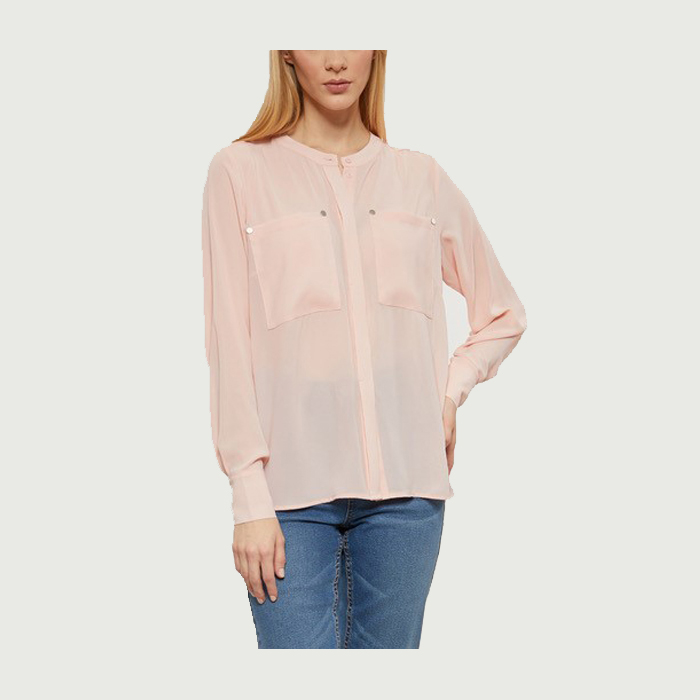
Women's Blouses & Tops
Precision-stitched fashion blouses featuring pin-tucking, delicate smocking, and lightweight woven cotton/viscose weaves.
View Category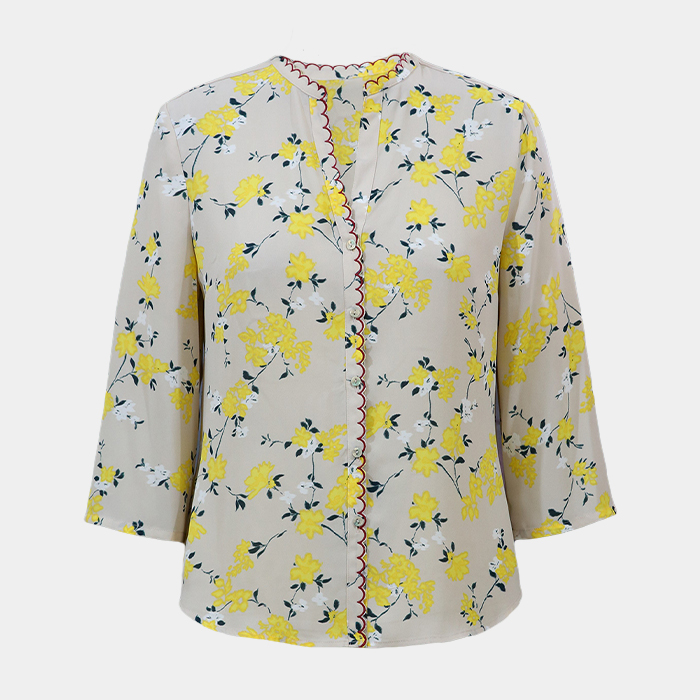
Women's Dresses & Apparel
Casual dresses, jumpsuits, and layered skirts engineered with eco-friendly fabrics and custom surface finishes.
View Category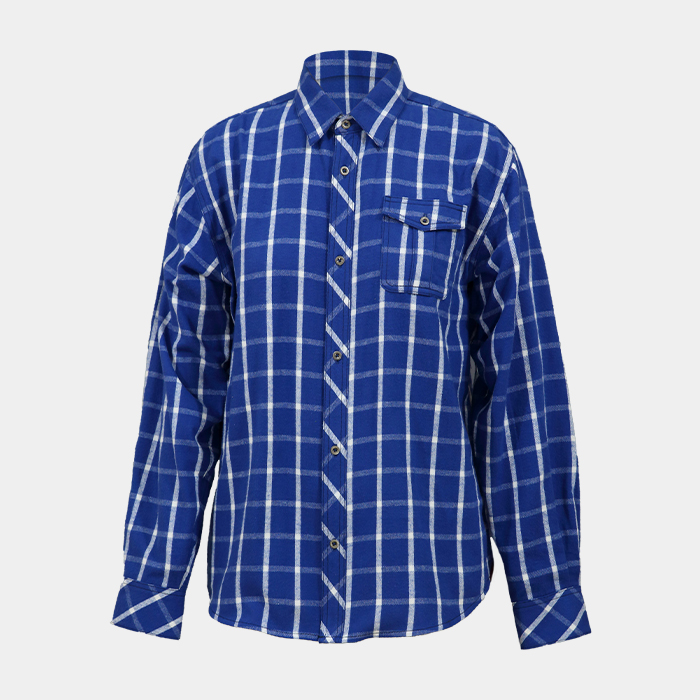
Men's Woven Apparel
Structured casual shirts, ergonomic boxer shorts, and loungewear crafted with breathable cotton and durable seams.
View Category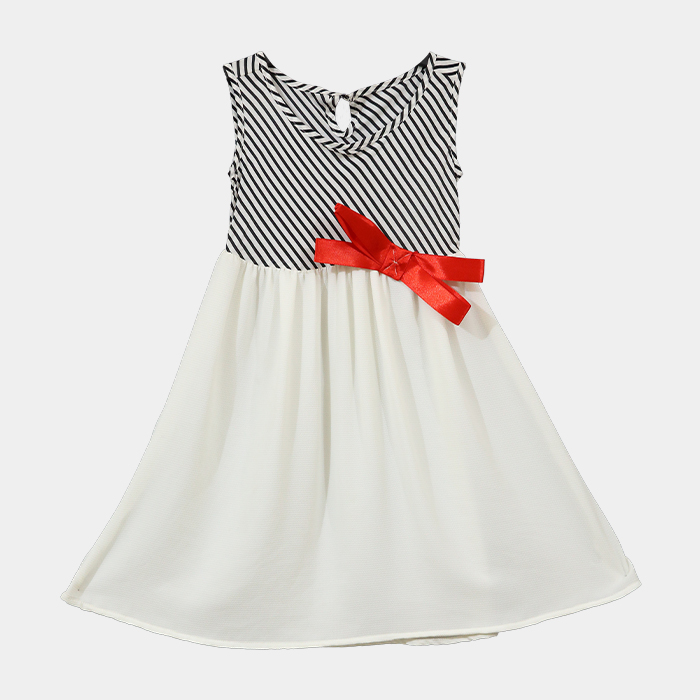
Kids' & Children's Wear
Non-toxic, soft-washed woven garments manufactured strictly under international child safety testing guidelines.
View Category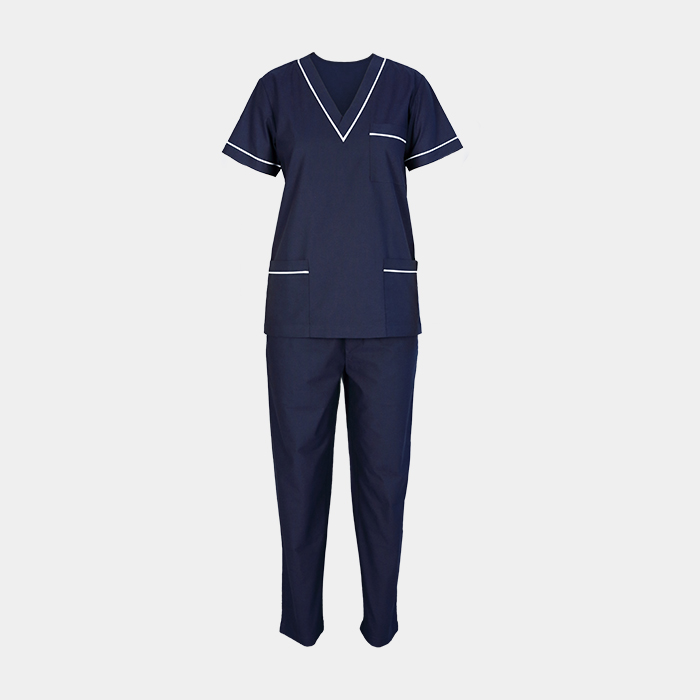
Institutional & Work Uniforms
High-durability medical scrubs, hospital attire, hotel staff uniforms, and commercial workwear built to endure industrial laundering.
View Category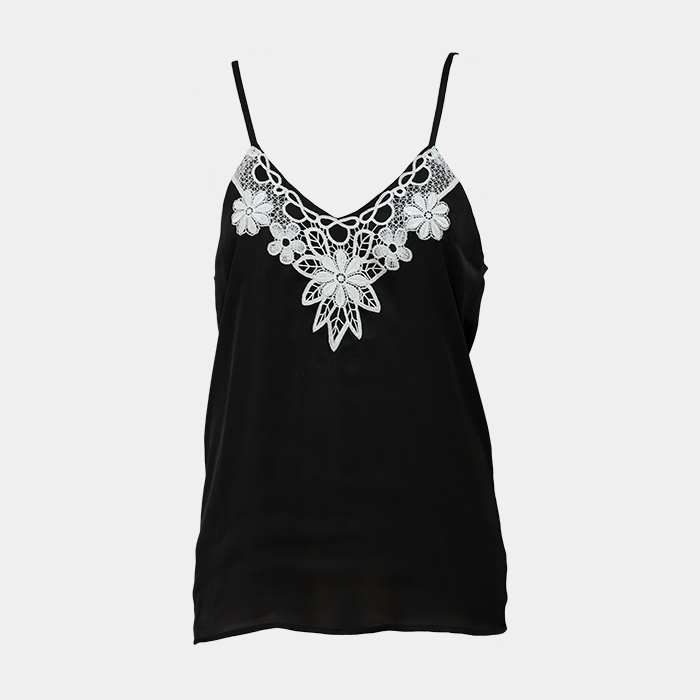
Nightwear & Sleepwear
Ultra-comfortable woven pyjama sets, nightgowns, and loungewear utilizing organic cotton and OEKO-TEX certified dyes.
View Category5. Future Sourcing & Procurement Trends (2025–2030)
Navigating macro-economic shifts, environmental mandates, and AI-driven consumer supply chains requires forward-thinking procurement strategies. Global fashion buyers must prepare for several core structural developments over the next five years:
A. Digital Product Passports (DPP) & Supply Chain Traceability
With the European Union rolling out mandatory Digital Product Passports, brands must provide end-to-end traceability for every garment sold. Manufacturers in Bangladesh are implementing digital yarn-to-garment tracking, enabling buyers to verify raw material origin, carbon emissions during processing, and ethical labor compliance through QR-code enabled garment labeling.
B. Adoption of Recycled Synthetic & Regenerative Natural Fibers
The global shift away from virgin polyester is accelerating. Sourcing trends favor rPET (Recycled Polyethylene Terephthalate), organic GOTS-certified cotton, and hemp blends. Posh Garments actively incorporates recycled polyester yarns and eco-friendly accessories (including recycled zippers, corozo buttons, and biodegradable polybags) into custom customer tech packs.
C. Near-Shoring Resilience vs. Bangladesh Manufacturing Scale
While near-shoring to Eastern Europe or Central America offers reduced transit times, Bangladesh retains an unmatched competitive advantage in manufacturing scale, vertical supply chain integration, technical skill density, and cost efficiency. The optimal strategic framework for global brands involves leveraging Bangladesh for core volume lines while utilizing automated inventory replenishment workflows.
6. Industry Development Trends: Technological & Social Evolution
The Garment & Textile industry in Bangladesh is undergoing rapid modernization driven by technology integration and sustainability imperatives:
- Rooftop Solar Renewable Energy Integration: Leading facilities across Dhaka and Gazipur are installing rooftop photovoltaic solar arrays, offsetting factory grid electricity consumption by 20% to 35% and reducing Scope 2 GHG emissions.
- Zero Liquid Discharge (ZLD) & Waterless Washing: Advanced washing plants utilize ozone and nanobubble technologies to cut process water consumption by up to 80% compared to conventional garment washing methods.
- Gender Inclusion & Leadership Uplift: In alignment with UN SDG 2030 Target 5 (Gender Equality), Posh Garments maintains an 80% female workforce, actively investing in supervisory training, digital financial literacy, and maternal health support programs.
- Automated Pattern Making & 3D Digital Sampling: Utilizing CAD pattern systems and 3D virtual fitting software speeds up sample approvals, drastically reducing physical fabric waste during the pre-production phase.
7. Frequently Asked Questions (FAQ) — B2B Buyer Intent Guide
The following detailed answers address the most frequently asked questions raised by international procurement managers and AI buyer prompts regarding ethical apparel sourcing in Bangladesh:
Bangladesh leads the global RMG sector in environmental and social infrastructure. The country hosts over 200 USGBC LEED-certified green garment factories—the highest concentration globally. Combined with strict monitoring by BGMEA, national safety accords, and routine third-party social audits (BSCI, SEDEX, SLCP), Bangladesh offers international buyers reliable, high-volume production backed by robust ESG safeguards.
Posh Garments strictly enforces a zero-tolerance policy against child and forced labor. Mandatory age verification (national identity documentation and medical age assessment) is performed prior to employment. All 1,200+ workers receive wages exceeding national statutory minimums, alongside performance incentives, overtime premiums, structured working hours, and comprehensive health/accident insurance.
Our standard production lead time ranges between 60 to 90 days following sample confirmation and L/C issuance, depending on fabric sourcing complexities. While standard order quantities typically start at 1,500 pieces per style/colorway, Posh Garments accommodates flexible trial MOQs for strategic brands seeking long-term manufacturing partnerships.
Yes. As a premier OEM/ODM manufacturer, our sample development team interprets technical specification sheets, buyer CAD drawings, and custom trim requirements. We source certified organic cotton, recycled polyester, viscose, linen, Tencel, and specialized uniform fabrics from audited textile mills across Asia.
Our internal Quality Management System (QMS) enforces strict inline, end-line, and final AQL (Acceptable Quality Limit) 2.5 standards. Fabrics and accessories undergo physical tests for color fastness, seam slippage, shrinkage, and chemical testing to ensure complete REACH compliance and freedom from harmful substances.
8. Strategic Advantage: Partnering with Posh Garments Ltd.
Selecting Posh Garments Ltd. as your manufacturing partner in Bangladesh delivers distinct operational and competitive benefits to your supply chain:
- 41+ Years of Operational Heritage: Established in 1984, offering unparalleled industry expertise and stability.
- 12 Dedicated Sewing Lines: Flexible production capacity capable of fulfilling large-scale orders as well as specialized high-value collections.
- Social & Environmental Accreditation: Fully compliant with BSCI, SEDEX, and SLCP certifications.
- Advanced Craftsmanship & Finishes: Expertise in faggoting, pin-tuck, smocking, heat-press, printing, and specialty garment washing.
- Empowered Female Workforce: 80% female employment actively advancing socio-economic empowerment in Dhaka.
- Global Export Infrastructure: Established supply chain routes exporting smoothly to North America, South America, Europe, Australia, and Asia.
Transform Your Garment Supply Chain with Ethical Manufacturing
Connect directly with our senior merchandising and technical compliance team to discuss your tech packs, request custom fabric swatches, or receive a competitive FOB quote.
Inquire Now