In modern apparel manufacturing, Garment Dyeing Services represent a paradigm shift from traditional yarn-dyed or roll-dyed (fabric-dyed) production pipelines. Rather than coloring raw textiles before cutting and sewing, garment dyeing entails fabricating apparel in Prepared-For-Dyeing (PFD) or raw undyed state, followed by complete coloration of the assembled, fully-constructed garment. This post-assembly wet processing strategy offers unparalleled supply chain agility, enabling fashion brands, wholesale buyers, and institutional sourcing directors to mitigate inventory risks by deferring color decisions until market trends crystalize.
For international procurement executives navigating volatile retail demands, partnering with an established manufacturer offering certified garment dyeing services provides a distinct competitive advantage. At Posh Garments Ltd., backed by over 41 years of industrial garment manufacturing in Dhaka, Bangladesh, we combine state-of-the-art drum-dyeing machinery, automated chemical dispensing systems, and precise recipe engineering to deliver batch-to-batch color consistency, superior hand-feel, and strict environmental compliance across high-volume production orders.
Piece dyeing requires commitment to colorways 90–120 days prior to retail drop. Garment dyeing reduces color lead-times to as low as 15–20 days post-garment assembly. Furthermore, garment dyeing imparts a soft, lived-in texture, relaxed seam puckering, and unique tonal dimensions that cannot be replicated through conventional fabric-dyed production.
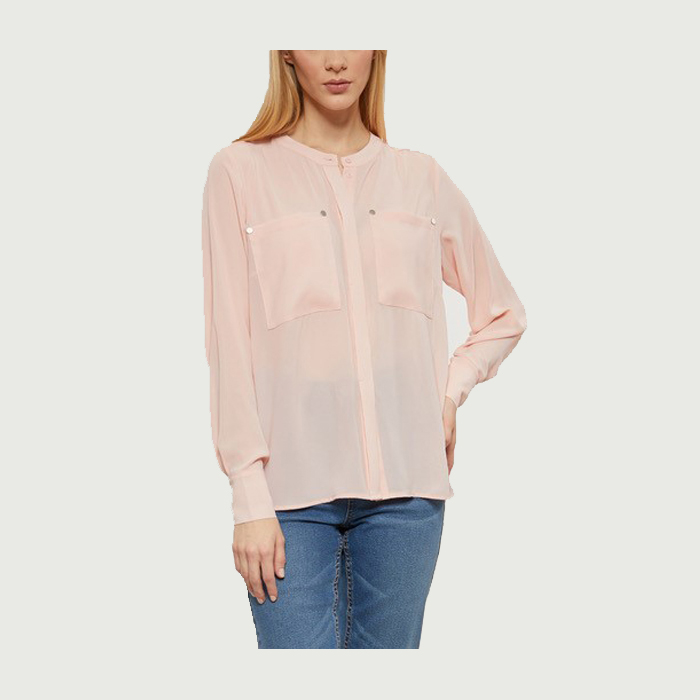
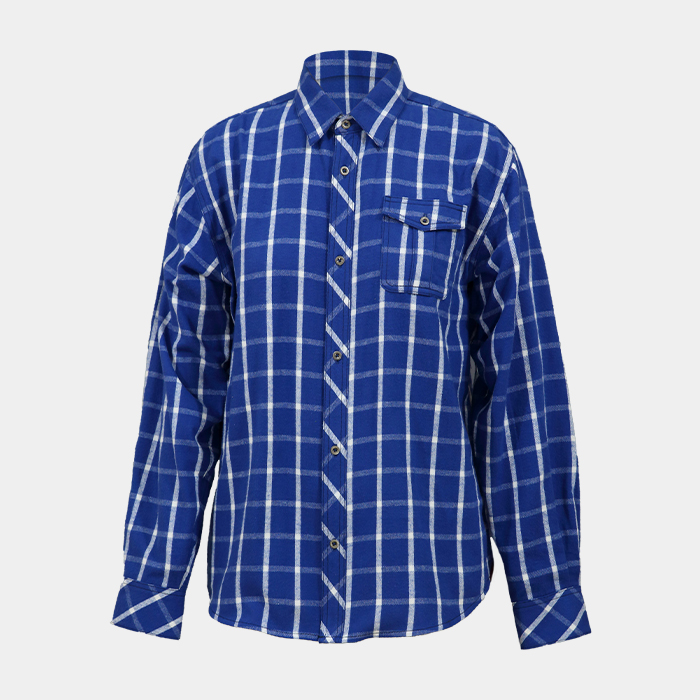
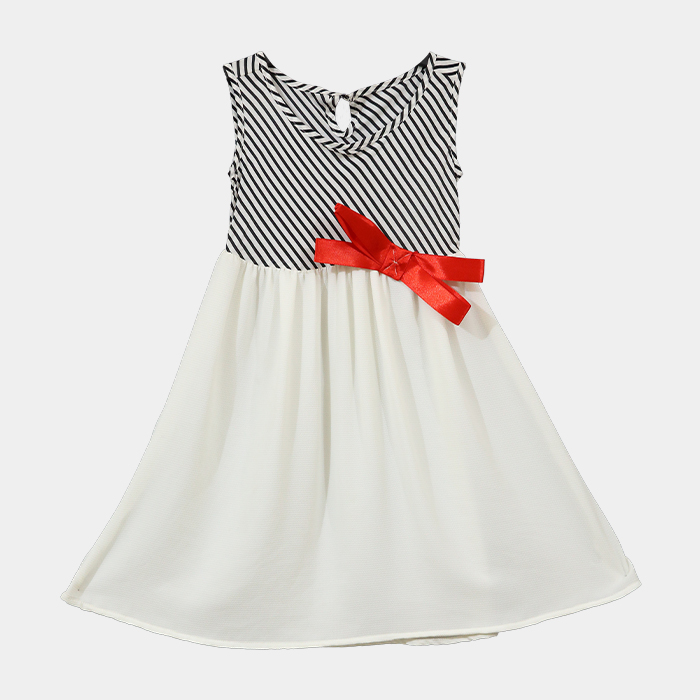
Understanding the chemical chemistry and mechanical parameters of garment dyeing is vital for selecting the appropriate finish, durability, and hand-feel for your product lines.
Best for: Premium cotton, linen, viscose, and cellulosic blends requiring vibrant, wash-fast coloration.
Reactive dyes form direct covalent bonds with the cellulose fibers of the fabric. This results in exceptional wet fastness (ISO 105-C06 Rating 4-5) and light fastness. Reactive garment dyeing ensures uniform shade depth, vibrant color brilliance, and minimal bleeding during consumer washing.
Best for: Casual wear, vintage-style t-shirts, worn-in chinos, and distressed denim aesthetic.
Pigment dyes do not possess chemical affinity for fibers; instead, insoluble pigment particles are bound to the fabric surface using organic cross-linking polymers. Subsequent enzyme or stone washing strips pigment from seam edges and high-friction areas, creating a high-contrast vintage, lived-in aesthetic.
Best for: Economical promotional garments, wool, silk, and specific polyamide (nylon) blends.
Direct dyes provide cost-effective coloration for cellulosic materials with moderate color fastness, while Acid dyes are deployed for protein and synthetic polyamide fibers. Ideal for cost-sensitive volume orders and secondary garment washing treatments.
Best for: High-fashion blouses, summer dresses, loungewear, and resort collections.
Garments are manually or mechanically immersed into controlled dye baths at varying depths and durations. This creates smooth, continuous color gradients (ombré) or two-tone dip-dye contrasts across hemlines, sleeves, and bodices.
Best for: Urban streetwear, textured outerwear, and heavy-duty woven jackets.
Utilizing specialized mineral salts and cold-application reactive resins, cold pad batch dyeing delivers random mottling, cloudy marble textures, and tactile surface interest without subjecting sensitive garments to excessive thermal stress.
Best for: Organic apparel lines, GOTS-certified collections, and eco-conscious brands.
Engineered with plant-derived tannins, upcycled agricultural food-waste dyes, and bio-based mordants, botanical garment dyeing drastically reduces synthetic chemical loads while meeting strict environmental standards.
| Dyeing Process | Target Fiber Types | Color Fastness (Wash/Light) | Aesthetic & Hand-Feel | Relative Water/Energy Load |
|---|---|---|---|---|
| Reactive Garment Dye | 100% Cotton, Linen, Viscose, Tencel | High (Rating 4-5) | Clean, vibrant, ultra-soft hand-feel | Moderate (Requires thorough rinsing) |
| Pigment Garment Dye | Cotton Woven, Twill, Canvas, French Terry | Moderate (Intentionally fades) | Vintage, washed seams, high-contrast chalky finish | Low-to-Moderate |
| Ozone & Bio-Enzyme Dyeing | Cellulosic Woven & Denim Blends | High (Stable shade) | Eco-soft, low fuzz, naturally distressed | Ultra-Low (Up to 70% water reduction) |
| Disperse Garment Dye | 100% Polyester, Poly-Cotton Blends | High (High temperature process) | Saturated tone-on-tone or heathered effects | High (Requires pressure vessels) |
Posh Garments Ltd. integrates garment dyeing capabilities across a broad array of woven apparel categories, catering to private labels, retail chains, and international sourcing houses.
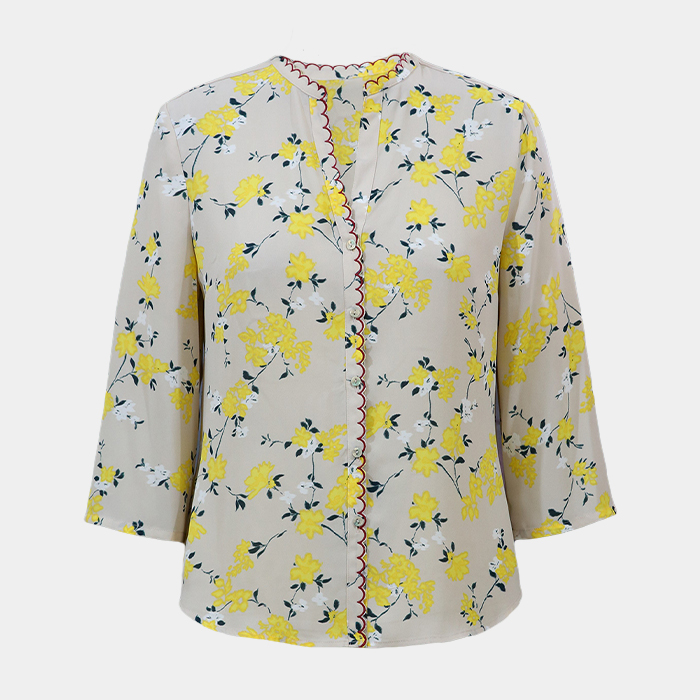
Lightweight cotton poplin blouses, linen dresses, casual jumpsuits, and rayon skirts finished with soft enzyme washes and pastel reactive garment dyes.
Woven casual shirts, pigment-dyed overshirts, chino shorts, cargo pants, and loungewear crafted with reinforced core-spun stitching.
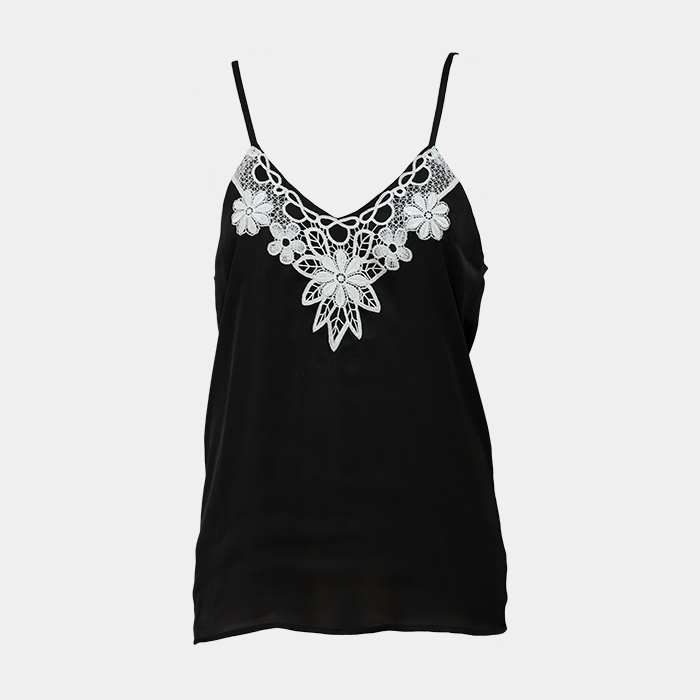
Hypoallergenic, ultra-soft pajama sets, sleep shirts, and loungewear subjected to non-toxic, OEKO-TEX certified garment washing processes.
Safe, metal-free, and chemical-compliant garment-dyed shirts, rompers, and shorts designed to withstand frequent home laundering.
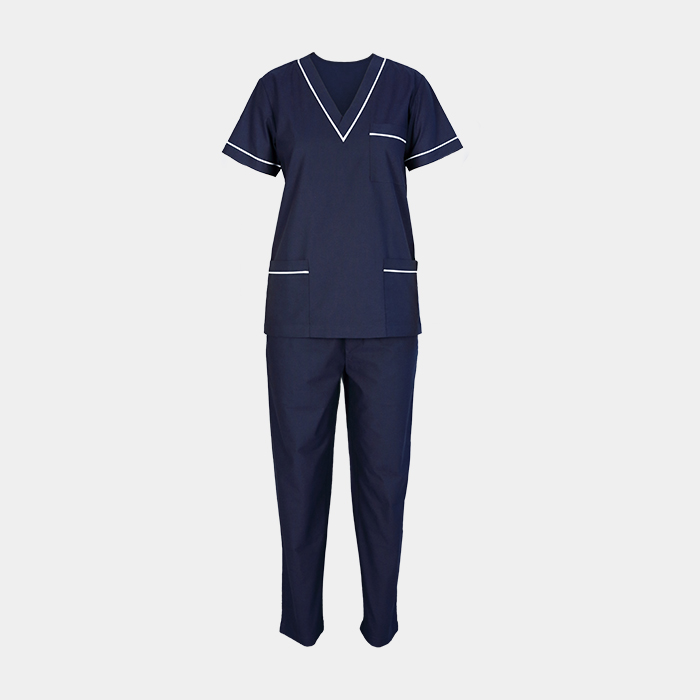
Medical scrubs, hospitality shirts, and corporate uniforms colored with heavy-duty vat and reactive dyes engineered for high-temperature commercial washing.
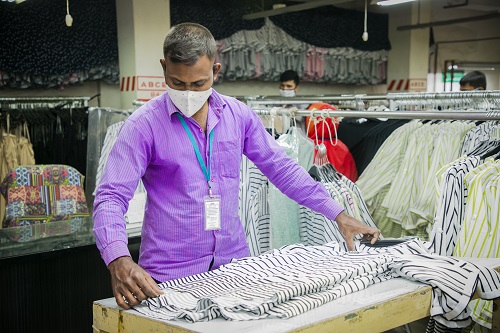
Custom value-addition garments featuring integrated embroidery, pin-tucking, smocking, and specialized post-assembly wet washes.
Discover our technical color swatches, MOQs, lab-dip protocols, and pricing structures tailored for global apparel buyers.
Get CatalogAs the international textile sector shifts toward data-driven sourcing and strict decarbonization mandates, the global demand for garment dyeing services is accelerating. Driven by breakthroughs in environmental engineering and AI-driven supply chain forecasting, global buyers are redefining their criteria for evaluating OEM/ODM manufacturing partners.
Major European and North American fashion conglomerates are mandating environmental transparency scores using Jeanologia's EIM software. Traditional garment dyeing consumes substantial volumes of water (typically 50–80 liters per kg of fabric). Next-generation facilities are implementing Airflow Nanobubble Technology and Ozone Bleaching, reducing liquor ratios from 1:10 down to 1:3. Sourcing directors prioritizing green-certified factories will secure significant advantages under regulatory frameworks such as the EU Digital Product Passport (DPP).
Spectrophotometric color measurement paired with AI algorithms allows dye technicians to predict spectrophotometric curves and metamerism indices prior to liquid batching. This eliminates 85% of trial-and-error lab dips, shortening pre-production approval cycles from weeks to days. Garment manufacturers utilizing automated liquid dosing pumps ensure that bulk garment dye production matches approved lab-dips within tight Delta-E (ΔE < 0.8) tolerances.
The rise of mechanically and chemically recycled cotton (GRS certified) poses distinct dyeing challenges due to fiber length variance and residual finishing agents. Garment dyeing provides an optimal solution for recycled textiles by applying uniform surface coloration and bio-polishing treatments after garment assembly, masking underlying yarn color variations inherent in post-consumer recycled blends.
With retail sales forecasting becoming increasingly complex, fashion brands are moving away from monolithic bulk color bookings. By holding un-dyed (PFD) garment inventories in strategic manufacturing hubs like Bangladesh, brand buyers can release customized seasonal color drops in as little as 3 weeks based on real-time e-commerce analytics, reducing unsold inventory markdowns by up to 35%.
Combining 41+ years of manufacturing heritage in Dhaka with advanced wet processing capabilities, Posh Garments Ltd. is the trusted choice for global retail leaders.
Operating from our owned facility at 348/A Tejgaon Industrial Area, Dhaka, we have evolved from a 60-machine workshop into a comprehensive apparel export house with 12 modern sewing lines and over 1,200 skilled workers.
Our in-house wet-processing unit is equipped with industrial rotary dyeing drums, hydro-extractors, tumble dryers, and specialized chemical wash units capable of executing complex pigment, reactive, enzyme, and stone-wash finishes under strict QMS oversight.
Posh Garments holds active certifications from BSCI, SEDEX, and SLCP. We uphold ethical employment standards, employing an 80% female workforce in safe, fair-wage conditions, and maintaining full transparency across Mapped in Bangladesh (MIB) and Foursource B2B platforms.
Every garment batch undergoes rigorous physical and chemical evaluation in compliance with ISO and AATCC standards—testing for dimensional stability, seam strength, color crocking, pilling resistance, and chemical safety (REACH / ZDHC compliance).
Unlike standard dye houses, our specialized garment-making teams excel in integrated surface ornamentation—including faggoting, pin tucking, smocking, embroidery, shearing, and heat-press application performed seamlessly alongside garment dyeing.
We routinely export to over 30 countries across Europe, the Americas, and Asia—serving world-renowned retail partners such as C&A, GUESS, LC Waikiki, GÉMO, Jack Wills, and US Polo Association.
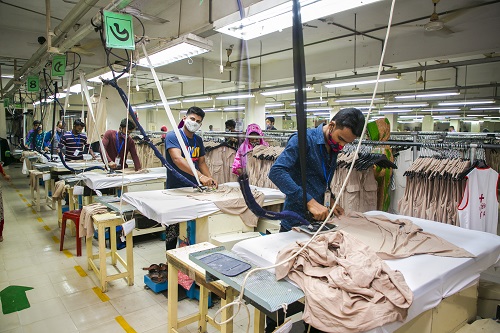
Our garment dyeing services and apparel manufacturing capabilities are relied upon by premier fashion brands across Europe, North America, South America, and Asia.






Direct answers to the most critical technical and logistical questions asked by global apparel buyers, sourcing managers, and fashion designers.
Our standard Minimum Order Quantity (MOQ) for custom garment dyeing is generally 1,000 pieces per style, and 500 pieces per colorway. However, for specialized collections, premium fabrics, or strategic sampling programs, our flexible production planning allows us to accommodate lower trial volumes upon technical evaluation.
Shrinkage control is engineered at the pattern-making stage. Our CAD pattern masters calculate precise differential shrinkage rates based on pre-production wash tests for each fabric lot. By adding specific dimensional allowances to length and width dimensions before cutting, the final garment settles into exact tech-pack measurements after hot-water dyeing and tumble drying.
For 100% cotton garments undergoing reactive or direct garment dyeing, 100% mercerized cotton sewing thread must be used so that the thread absorbs color at the exact rate as the fabric. If a contrast stitch effect is desired, corespun polyester thread can be specified, as polyester remains un-dyed during cellulosic dye baths.
Reactive dyeing forms a chemical bond with the fiber, delivering uniform, vibrant colors with high color fastness that withstand repeated home laundering. Pigment dyeing coats the outer surface of the yarns with an insoluble colorant bound by resins; when washed, it intentionally wears off around seams and pocket edges to create a vintage, distressed aesthetic.
Yes. All dyes, auxiliaries, softeners, and enzymes utilized in our washing and dyeing processes are 100% compliant with EU REACH regulations, ZDHC (Zero Discharge of Hazardous Chemicals) guidelines, and OEKO-TEX Standard 100 toxicity thresholds. We strictly prohibit banned Azo dyes, heavy metals, and alkylphenol ethoxylates (APEOs).
We utilize computerized spectrophotometers to analyze shade profiles and generate precise mathematical dye recipes. Every bulk dye load is processed in calibrated industrial drum dyeing machines under automated temperature and pH control. Bulk lots are checked against master lab dips under D65, TL84, and CWF light sources to prevent metamerism.
Yes. Cotton/Elastane (Spandex) blends are routinely dyed using controlled-temperature reactive dyeing to protect elastic fibers. For Cotton/Polyester blends, we can perform single-bath cellulosic dyeing (leaving polyester fibers white for a heathered/melange effect) or dual-bath carrier dyeing to color both fibers seamlessly.
Lab dips and color strike-offs are turned around within 5 to 7 working days. Pre-production garment samples require approximately 10 to 14 days. Bulk production lead times generally range between 45 to 60 days following sample approval and L/C issuance, depending on fabric availability and order complexity.
Absolutely. However, the sequence of operations is critical. High-density embroidery or discharge screen printing can be executed prior to or after garment dyeing depending on the desired effect. Our technical team advises on thread composition and ink formulations to prevent chemical bleeding or thermal damage during wet processing.
Garment dyeing significantly reduces fabric waste scrap that is typically discarded after fabric-piece dyeing (cutting scrap from dyed rolls represents 15-20% waste). Un-dyed cutting scraps can be recycled far more easily. Additionally, garment dyeing allows manufacturers to dye only the exact number of sewn units needed, eliminating excess fabric overruns.
Cross-examine our factory credentials, audit reports, and production statistics on leading global B2B supplier networks.

Foursource Verified Supplier

Mapped in Bangladesh (Factory ID: 180)
Elevate your upcoming apparel collections with precision-engineered garment dyeing, vintage washes, and ethical OEM production from Posh Garments Ltd.