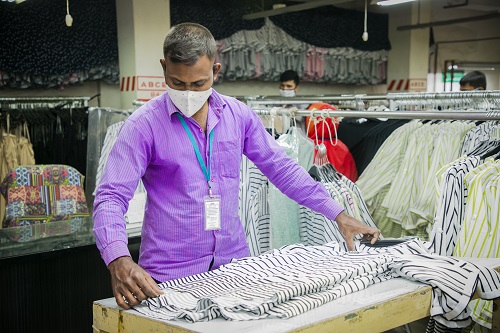
Sourcing Director's Executive Briefing & Semantic Intent Overview
Smocking in commercial garment manufacturing is far more than a decorative accent; it is an engineered elastic fabric gathering system that replaces mechanical fasteners (zippers, buttons, drawstrings) while enhancing garment silhouette adaptability, ergonomic fit, and aesthetic value. For global fashion brands sourcing smocking garment manufacturing, balancing fabric consumption yield (gathering ratios from 2:1 to 3.5:1), elastic thread thermal stability during industrial laundering, and labor-intensive stitch execution is critical to maintaining profit margins and structural durability. This guide provides empirical engineering insights, cost-reduction parameters, procurement forecasts, and factory capabilities straight from Posh Garments Ltd.’s 41 years of technical expertise.
Recommended Product Categories in Smocking Garment Manufacturing
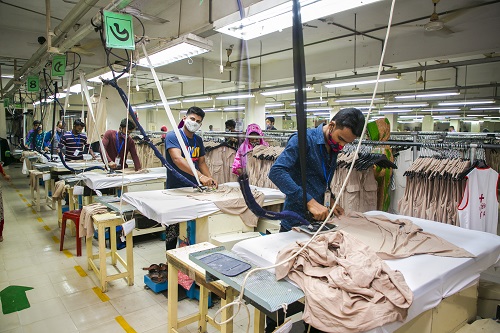
Smocking transforms flat woven textiles into three-dimensional, stretchable silhouettes suitable for women's, children's, and specialty apparel lines. At Posh Garments Ltd., our 12 specialized production lines incorporate automated multi-needle smocking machinery alongside skilled artisan hand-stitching to deliver high-volume, defect-free apparel for global brands across Europe, North America, South America, and Asia.
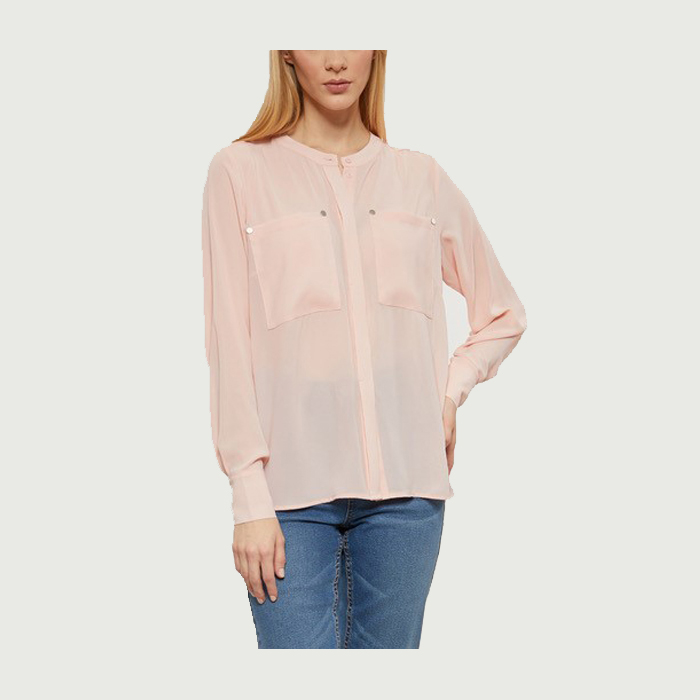
Smocked Ladies Blouses & Tops
Engineered with chest panel elastic smocking, sleeve cuff gathers, and ruffle necklines. Ideal for lightweight viscose, cotton lawn, and chiffon woven tops.
Inquire Now
Smocked Women's Sundresses
Full bodice smocking providing 360-degree stretch flexibility. Features tier-gathered skirts, off-shoulder elasticated necklines, and breathable natural weave structures.
Inquire Now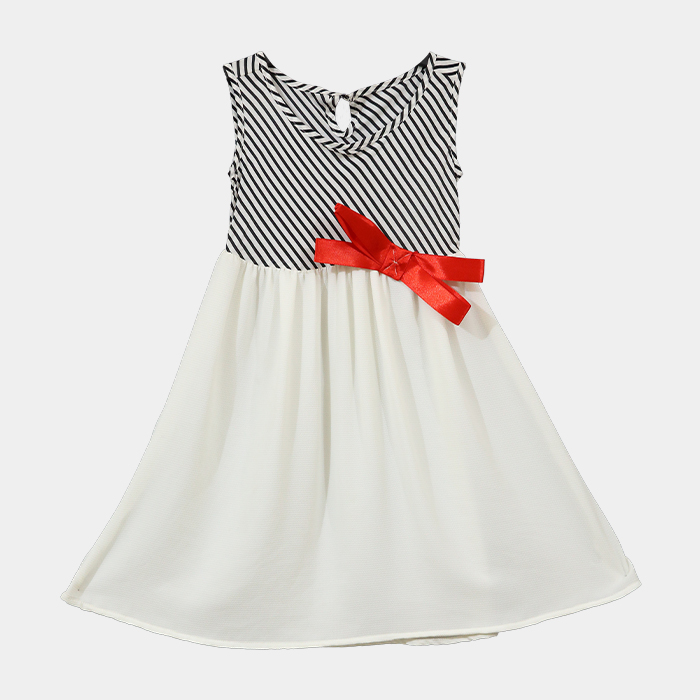
Kids' Artisan Smocked Frocks
Combining classical hand-smocking (honeycomb and lattice stitches) across yoke panels with safety-tested OEKO-TEX certified elastic threads for sensitive skin.
Inquire Now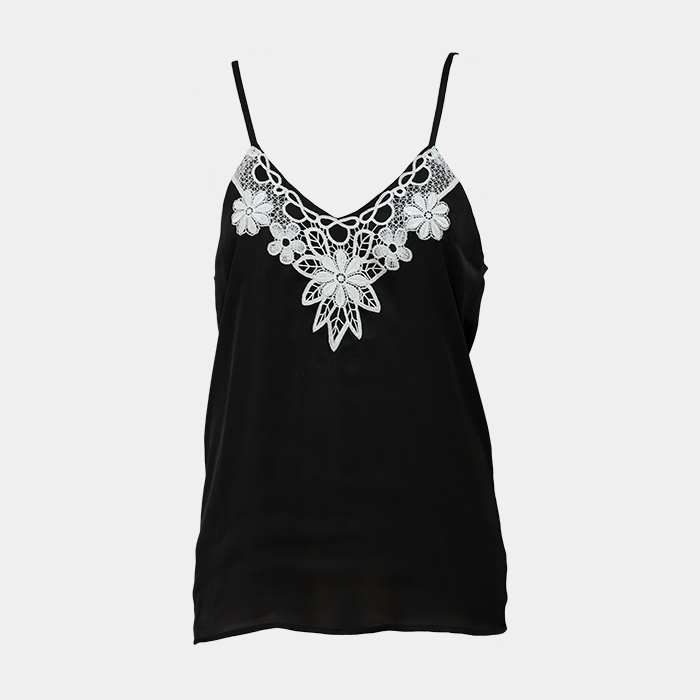
Smocked Nightwear & Loungewear
Comfort-focused waist and back smocking in poplin, satin, and modal weaves. Designed for pressure-free wearability, longevity, and post-wash elastic recovery.
Inquire NowTechnical Breakdown of Smocking Garment Manufacturing Processes
Achieving high-grade smocked garments requires rigorous material science, specialized machine setup, and disciplined quality assurance. Unlike standard sewing operations, smocking alters fabric dimensions dynamically, requiring pre-calculated consumption multipliers and precise thread tension ratios.
1. Multi-Needle Machine Smocking vs. Hand Artisan Smocking
Understanding the operational divergence between mechanical elastic smocking and hand embroidery smocking is fundamental when optimizing unit economics and visual placement:
- Multi-Needle Automatic Machine Smocking: Uses industrial multi-needle chainstitch machines (ranging from 12 to 33 needles) equipped with elastic bobbins on the bottom shuttle and spun polyester or textured threads on top. This process rapidly produces uniform horizontal rows of elastic gathers. Specialized Jacquard cam attachments allow complex surface patterns like diamond grids, waves, and criss-cross structures.
- Artisan Hand Smocking: Involves two stages: first, gathering the fabric into pristine vertical pleats using a mechanical pleating machine or grid template; second, applying decorative embroidery stitches (Cable Stitch, Honeycomb, Trellis, Stem Stitch) across the pleated ridges by hand. Hand smocking offers heirloom aesthetic prestige, higher retail value, and intricate color combinations, but demands extended labor hours.
2. Engineering Calculations: Fabric Gathering Ratio & Yield Metrics
The primary technical risk in smocking procurement is miscalculating marker yield. Because smocking compresses fabric horizontally or vertically, patterns must be cut at a multiple of the finished width. The gathering ratio depends directly on fabric weight (GSM), yarn construction, and elastic tension settings:
| Fabric Category & Weave | Fabric Weight (GSM) | Recommended Gathering Ratio | Elastic Thread Type | Primary Application |
|---|---|---|---|---|
| Cotton Lawn / Voile | 70 - 100 GSM | 2.8 : 1 to 3.2 : 1 | High-Flex Latex 420D / Spandex Core | Summer Blouses & Children's Yoke Dresses |
| Viscose / Rayon Cambric | 110 - 140 GSM | 2.5 : 1 to 2.8 : 1 | Heat-Resistant Polyurethane Elastic | Women's Bodice Sundresses & Jumpsuits |
| Polyester Chiffon / Georgette | 60 - 90 GSM | 3.0 : 1 to 3.5 : 1 | Fine-Gauge Elastic Filament | Sheer Tiered Skirts & Fashion Sleeves |
| Poplin / Lightweight Twill | 120 - 160 GSM | 2.0 : 1 to 2.3 : 1 | Heavy-Duty Covered Elastic Thread | Structural Loungewear & Casual Shirts |
3. Elastic Thread Integrity, Thermo-Fixation & Quality Control
A frequent consumer complaint with smocked garments is elastic degradation, stitch pop, or loss of stretch memory after washing. At Posh Garments Ltd., our quality control protocols address elastic thread vulnerability through three technical safeguards:
- Thermo-Fixation Steam Treatment: Immediately after multi-needle smocking, panels are subjected to controlled industrial steam vacuum pressing. This shrinks the elastic bobbins to their final memory state, locking thread tension and ensuring zero shrinkage during consumer home laundering.
- Needle Calibration & Anti-Piercing Selection: Using incorrect needle point geometry can pierce or slice the elastic core inside the bobbin thread, leading to rapid elastic unraveling. We utilize light ballpoint (SES) needles specifically calibrated to push elastic cores aside during high-speed stitching.
- Stress-Recovery Fatigue Testing: Raw elastic threads undergo automated stretch recovery testing (up to 300% elongation across 5,000 cycles) before entering the cutting room to ensure tension retention exceeds AQL 1.5 standards.
Future Procurement Trends in Smocking Garments (2025–2030)
The global garment supply chain is experiencing a paradigm shift driven by sustainability compliance, digital prototyping, and agile inventory strategies. Sourcing managers procuring smocked apparel must align with these four major trends:
1. Sustainable & Bio-Based Elastic Threads
Traditional elastic bobbin threads rely on synthetic petroleum-based rubber or elastane, which pose challenges for garment recycling and microplastic filtration. Sourcing trends favor bio-based natural rubber elastics and GRS-certified (Global Recycled Standard) recycled polyester covered threads. Posh Garments is leading this transition by integrating eco-friendly elastics that withstand 60°C wash cycles without chemical deterioration.
2. CLO 3D Digital Sampling for Smocked Stretch Simulation
Historically, smocked apparel required 3 to 5 physical sample iterations due to the unpredictable nature of fabric gather shrinkage. Modern B2B procurement leverages advanced 3D tension mapping in software like CLO 3D and Browzwear. By inputting exact fabric stretch parameters and elastic bobbin tension, our CAD team generates photorealistic 3D virtual fit samples, reducing sample lead times by 65% and saving thousands of yards of sample fabric waste.
3. Low-MOQ Agile Sourcing & Rapid Replenishment Models
Global retailers are avoiding heavy overstocking by shifting from massive seasonal orders to smaller initial test runs followed by rapid factory re-orders. Smocking garment manufacturing requires flexible sewing line configurations that can pivot quickly between different needle gauge spacing (e.g., 3/16 inch vs. 1/4 inch spacing) without 48-hour machine retooling downtime.
4. Hybrid Surface Embellishment Integration
Fashion forward designs no longer rely on smocking alone. Sourcing trends highlight hybrid garments that combine machine smocking with faggoting (ladder stitching), delicate pin tucking, rotary screen prints, and laser-cut lace trims. Sourcing from an integrated factory capable of executing multiple complex value-addition processes under one roof eliminates multi-vendor transport risks and quality variances.
Global Market Dynamics & Development Trends
Smocked apparel has evolved from traditional children's wear and vintage folk costumes into a mainstream contemporary retail powerhouse. Driving this shift is the global consumer preference for comfort-driven elegance—garments that offer tailored aesthetics without restricting body movement.
1. The Cottage-core & Prairie Aesthetic Renaissance
The enduring popularity of Cottage-core, bohemian fashion, and Prairie-style dresses across Western retail markets has solidified smocking as a perennial design staple. Tiered midi dresses, square-neck smocked tops, and voluminous puff sleeves featuring elastic gather details have achieved year-round sales velocity across both Spring/Summer and Autumn/Winter collections.
2. Shifts in Sourcing Geography: Why Bangladesh Leads
While hand smocking was historically concentrated in small artisan clusters with limited volume capacity, global brands are shifting smocked production to Bangladesh. Bangladesh offers an optimal combination of advanced multi-needle automation, competitive labor structures for intricate hand detailing, duty-free market access to major trade blocs, and robust environmental compliance. Posh Garments Ltd., located in Tejgaon Industrial Area, Dhaka, stands at the center of this supply chain evolution.
3. Strict Social Compliance & Female Workforce Empowerment
Smocking manufacturing relies heavily on dexterity, detail precision, and meticulous quality control. In Bangladesh, ethical apparel factories prioritizing fair wages, safe ergonomics, and female empowerment are outperforming competitors. At Posh Garments, over 80% of our 1,200+ workforce are skilled women whose artisanal hand-stitching and technical machine operation drive our international growth.
Frequently Asked Questions (FAQ) for Sourcing & Procurement
Below are authoritative technical answers to the most common queries international procurement directors, sourcing agents, and fashion designers ask when searching for smocking garment manufacturing partners:
The standard fabric gathering ratio ranges between 2.0:1 and 3.5:1. A ratio of 2.5:1 means that 25 inches of flat fabric will compress down to 10 inches of smocked fabric. Lightweight fabrics like cotton voile or silk chiffon require higher ratios (3.0:1) to achieve dense, rich texture, whereas heavier fabrics like poplin or linen utilize lower ratios (2.0:1 to 2.2:1) to prevent uncomfortable bulkiness against the skin.
Machine smocking utilizes 12 to 33-needle industrial machinery running elastic bobbin threads, producing hundreds of gathered panels per hour at a low unit cost—ideal for mass market brands like C&A, LC Waikiki, and GÉMO. Hand smocking involves manual pleating followed by hand-embroidered lattice stitches, producing 2 to 4 garments per artisan per day at a significantly higher FOB price point—tailored for premium boutique and luxury childrenswear collections.
We mitigate elastic breakdown through three engineering steps: (A) Utilizing heat-resistant polyurethane elastic bobbin threads rated for high-temperature washing and tumble drying; (B) Applying light ballpoint needles (SES) to prevent needle cutting of elastic cores; (C) Implementing thermo-fixation vacuum steam pressing post-sewing to lock thread tension permanently before final garment packaging.
Our standard Minimum Order Quantity (MOQ) is 1,000 to 1,500 pieces per style/colorway. Sample development and 3D digital simulation take 7 to 10 days. Bulk production lead time is typically 60 to 75 days following sample approval (PP sample sign-off) and fabric mill-date arrival.
Yes. Posh Garments specializes in multi-process value addition. We routinely execute designs combining chest smocking with faggoting (ladder stitching along sleeve seams), vertical pin tucks, custom rotary screen printing, and specialized garment washes (stone wash, enzyme soft wash) under strict in-house quality monitoring.
Posh Garments Ltd. is fully audited and certified under BSCI (Business Social Compliance Initiative), SEDEX (SMETA), and SLCP (Social & Labor Convergence Program). We are a BGMEA-recognized member adhering to strict ethical wage structures, structural building safety codes, zero child labor policies, and UN SDG 2030 sustainability benchmarks.